Engagement Dress Ideas: For the Bride, the Couple, Family and Guests
- How an engagement outfit differs from a wedding outfit
- Six outfits for the bride
- Choosing a colour
- Matching with your partner
- What different communities wear
- Sleeves, hands and the ring
- Jewellery, hair and makeup
- What the family and guests can wear
- What it costs
- A simple timeline
- Frequently Asked Questions
- Sources and further reading
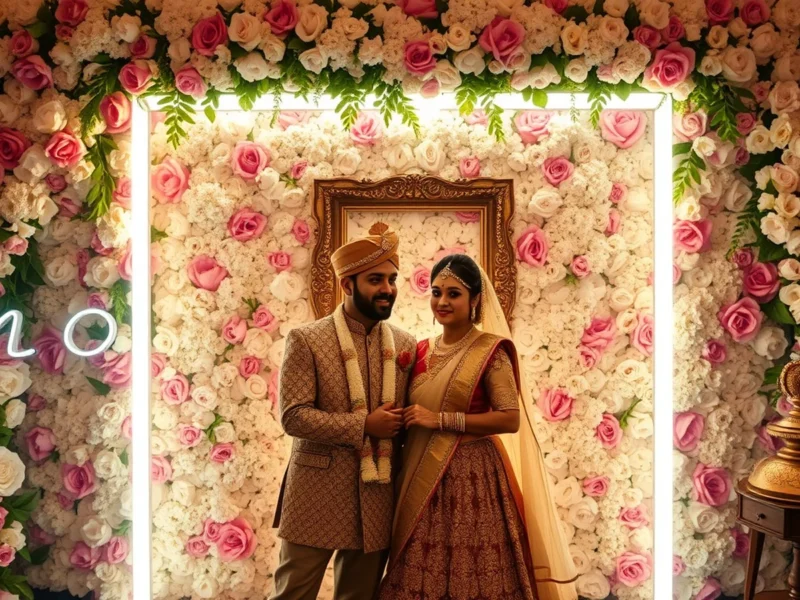
The most popular engagement dresses for Indian brides are a light lehenga, a saree with a designer blouse, a sharara, or an Indo-western gown. Choose something lighter than your wedding outfit, in a colour that differs from it, with sleeves and a neckline that keep the ring and your hands in view. Coordinate with your partner by sharing one shade, and allow six to eight weeks for stitching.
How an engagement outfit differs from a wedding outfit
An engagement, whether it’s called a sagai, a roka, a nischayathartham or a mangni, is usually shorter and lighter than the wedding. It is a chance to wear something you actually like, and might well wear again, rather than something required by tradition. The best engagement outfits have three things in common: you can sit, stand and dance in them for several hours, they do not compete with your wedding look, and they photograph well, since the ring exchange will be the most photographed moment of the evening. Our guides to the sagai ceremony and roka ceremony explain how each one runs.
Six outfits for the bride
| Outfit | Suits | Think about |
|---|---|---|
| Light lehenga | Evening banquet or hotel engagements | Choose a weight under about 4 kg so you can dance |
| Saree with a statement blouse | South Indian, Bengali and traditional engagements | Pre-stitched sarees help if you are not used to draping |
| Sharara or gharara | Muslim, Punjabi and Lucknowi-influenced events | Check the flare on stairs |
| Anarkali | Morning or afternoon functions, roka at home | Elegant and very easy to wear |
| Indo-western gown | Cocktail-style engagements in hotels | Check whether elders in both families are comfortable |
| Salwar suit or kurta set | Small home functions, a simple roka | Heavier dupatta adds occasion without weight |
Choosing a colour
Start by ruling out your wedding colour. If you are marrying in red, then pastels, jewel tones, gold or ivory all make the engagement feel like its own event. Think too about the time of day and the setting:
- Daytime and garden events: peach, powder blue, mint, lilac, soft yellow, ivory.
- Evening and ballroom events: emerald, wine, sapphire, deep teal, champagne gold, rose gold.
- South Indian functions: rich silks in mustard, purple, peacock blue or bottle green. Our bridal saree guide compares the major weaves.
- Muslim engagements (mangni): pastel or jewel-toned sharara with a dupatta, in a colour that does not repeat the nikah outfit.
Then check it against the stage. A pale pink outfit in front of a pale pink backdrop will vanish in photographs. Ask your decorator for the colours before you buy, or see our engagement decoration ideas.
Matching with your partner
Matching exactly often looks staged, whereas sharing one colour looks considered. A few approaches work well:
- The accent match. His pocket square, safa or stole picks up the colour of your embroidery.
- Same family of colour. Your wine lehenga with his dusty rose sherwani, for instance, or teal with deep navy.
- Neutral and colour. He wears ivory, beige or black, and you carry the colour.
- Same embroidery. Similar threadwork on different base colours, which designers will often do if you order both together.
Our groom outfit ideas go through the options for him, including what suits an engagement. Show each other your choice before stitching is complete, not after.
What different communities wear
The name of the function, and what is usual at it, changes from one community to the next, and it is worth asking an elder before you fix on something.
- Tamil nischayathartham: usually a silk saree, with the families exchanging plates of gifts.
- Telugu nischitartham: a silk or designer saree, or increasingly a lehenga for a hotel event.
- Maharashtrian sakharpuda: a Paithani or other silk saree, as the sugar is given to the bride.
- Bengali ashirbad: often a silk saree, as elders from both families bless the couple. Our Bengali wedding traditions page has the sequence.
- Gujarati gol dhana: a saree or a chaniya choli in bright colours.
- Punjabi kurmai or roka: a heavy suit, sharara or lehenga, as the mood is usually festive.
- Muslim mangni: a sharara, gharara or anarkali, with the dupatta often covering the head for the ceremony.
Sleeves, hands and the ring
This is the detail most people forget. The ring exchange is about your hand, and heavy bangles, long bell sleeves or fingerless gloves can get in the way. Keep your ring hand free of large rings and cuffs, and get a neat manicure with a colour that suits the outfit. If you are having mehendi for the engagement, keep it light and finish it a full day before. Sleeves that are three-quarter length or shorter photograph best, and they also make it easier to eat.
Jewellery, hair and makeup
You will wear the heavy pieces at the wedding, so an engagement is a good place for a single statement piece: a pair of chandbalis with no necklace, for instance, or a choker with small studs. Polki and pearls are forgiving with pastels, while gold temple jewellery suits silk. A soft, open hairstyle or a low bun with fresh flowers both work, and our bridal hairstyles guide has options by function. If you are hiring a professional, ask for an engagement rate, as many artists offer one when they are also booked for the wedding. Our bridal makeup cost guide and jewellery guide give an idea of prices.
What the family and guests can wear
- The bride’s sister: a lehenga or sharara in a colour close to, but lighter than, the bride’s, with plenty of room to move if she is dancing or running around.
- The bride’s brother: a kurta with a Nehru jacket is smart and practical.
- Mothers: a silk or organza saree, often with one of the family’s own jewellery sets.
- Bridesmaids and close friends: a shared palette looks good without identical outfits.
- Female guests: a saree, a suit or a simple anarkali. Avoid heavy bridal looks, and pure white or black if the family is traditional.
- Male guests: a kurta set or a smart suit, depending on the invitation.
Our guide to what to wear as a wedding guest covers this in more detail.
What it costs
These are Velvet Knot’s broad estimates, not quotes. A local boutique may be well below these, and a well-known designer well above.
| Outfit | Estimated range |
|---|---|
| Salwar suit or anarkali | Rs 5,000 to Rs 30,000 |
| Silk saree with a designer blouse | Rs 15,000 to Rs 80,000 |
| Sharara or light lehenga | Rs 20,000 to Rs 1,00,000 |
| Indo-western gown | Rs 25,000 to Rs 1,50,000 |
| Designer label lehenga | Rs 1,00,000 and above |
If you would prefer not to buy something you will wear once, renting is now common in big cities. It works best for lehengas and gowns, as long as you try the piece on at least a week before and read the damage terms. Our bridal lehenga cost guide explains what drives prices.
A simple timeline
- Eight weeks before: decide the outfit type and colour, and shop or book a designer.
- Six weeks before: take measurements, and start blouse or embroidery work.
- Two weeks before: first fitting, wearing your actual heels and undergarments.
- One week before: final fitting, plus a test with your jewellery and dupatta.
- The day before: steam the outfit, and pack safety pins and a small sewing kit.
If your engagement is sooner than that, ready-to-wear with alterations is entirely fine, and it is what many brides choose for a roka that comes together quickly.
Frequently Asked Questions
What should a bride wear for her engagement?
A light lehenga, a saree with a statement blouse, a sharara, or a gown, in a colour that differs from the wedding outfit and is comfortable for several hours.
What colour is best for an engagement dress?
Pastels and soft tones suit daytime events, and jewel tones such as emerald, wine and sapphire suit evening ones. Avoid your wedding colour.
Should the couple wear matching outfits to the engagement?
Sharing one colour or accent usually looks better than matching exactly. Agree on it before stitching is finished.
What can the bride’s sister wear to the engagement?
A lehenga or sharara in a colour close to but lighter than the bride’s, with room to move.
Can I wear a saree for my engagement?
Yes. It is the norm in many South Indian and Bengali families, and a pre-stitched saree makes it easier if you are not used to draping.
Can I wear a gown to an Indian engagement?
Yes, particularly in a hotel or cocktail-style event, but check that both families are comfortable with it first.
How much should I spend on an engagement dress?
Many brides spend less than on the wedding outfit. Our estimate is Rs 15,000 to Rs 1 lakh for a boutique saree, sharara or light lehenga.
Sources and further reading
Planning an engagement that sets the tone for the wedding? Tell us about it and we will plan the functions and looks together. See also our engagement wishes for what to write in your cards.
Love these ideas?
Put a price on them
Six questions give you a realistic budget range with a line-by-line breakdown, so the ideas you love fit the number you have.
Begin Your Engagement
Want a real number for your wedding?
Tell us your city, guest count and dates. Team Velvet Knot will come back within 24 hours with an itemised budget.