Wedding Traditions · Indian Weddings
Interfaith Wedding Planner
Premium planning with cultural depth. We invest time in your specific community customs, not just the aesthetic.
Velvet Knot is an interfaith wedding planner building celebrations where neither family feels their customs are compromised, across Hindu-Muslim, Hindu-Christian, Sikh-Hindu, and intercultural pairings. Our interfaith wedding planning maps each tradition’s rituals onto one master timeline that respects auspicious timings and religious requirements, never two ceremonies stitched together.
Interfaith weddings, Hindu-Muslim, Hindu-Christian, Sikh-Hindu, Indian-Western, and beyond, require a planning team that understands both traditions and can build a celebration where neither family feels their customs are being compromised.
The Challenge of Interfaith Weddings
Most planners treat interfaith weddings as “two separate ceremonies stitched together.” We do not. Done well, an interfaith wedding has its own arc, a thoughtfully designed sequence of rituals where each tradition gets full representation and neither feels rushed or relegated.
Our cultural consultant has planned weddings spanning 8+ Indian and global traditions and identifies the right combination format for each couple based on family priorities, ritual compatibility, and venue logistics.
Common Interfaith Wedding Combinations We Plan
- Hindu-Muslim, Often a Nikah followed by a Hindu wedding ceremony
- Hindu-Christian, Church ceremony followed by a Hindu mandap ceremony, or vice versa
- Sikh-Hindu, Anand Karaj at a gurdwara plus a Hindu phera ceremony
- Indian-Western (intercultural), Western ceremony combined with an Indian wedding day
- Inter-regional Indian, Punjabi-Telugu, Bengali-Marathi, etc.
How We Approach Interfaith Planning
Pre-engagement family briefings
Before any vendor work begins, we hold a joint family briefing call to understand both families’ priorities and non-negotiables.
Dual ritual sequencing
Each tradition’s rituals are mapped onto a master timeline that respects auspicious timings, religious requirements, and venue constraints.
Culturally fluent vendor matching
Our vendor network includes priests, pandits, qazis, and pastors who have previously worked on interfaith ceremonies and understand the sensitivities involved.
Family Coordination
We provide a “tradition guide” for each family, a simple document explaining what to expect at each ceremony, what to wear, and how to participate respectfully.
Cities We Plan Interfaith Weddings In
- Mumbai, diverse vendor network across all major traditions
- Delhi NCR, strong North Indian and Sikh wedding infrastructure
- Bangalore, South Indian + Western wedding fluency
- Hyderabad, Telugu, Hindu, Muslim, and South Indian Christian traditions
- Goa, destination interfaith weddings, often Indian-Western combinations
NRI Interfaith Weddings
Interfaith weddings are particularly common among NRI couples who often have one Indian-tradition family and one international-tradition family.
Pricing
Every interfaith wedding is quoted individually on enquiry. Luxury interfaith celebrations at heritage venues typically range from Rs 25 lakh upward.
Get Started
Every interfaith engagement begins with a joint family consultation, free, no obligation. Request an interfaith wedding consultation.
Inside Interfaith Wedding Planning: Two Ceremonies, Two Officiants, One Day That Works
An interfaith wedding in India is not one ceremony with diluted rituals. The format that works in our portfolio is two ceremonies: each side’s religious tradition gets its own ceremony, run by its own officiant, with both families participating in each. A Hindu-Christian couple gets a Catholic wedding service plus a Hindu wedding ceremony. A Hindu-Sikh couple gets an Anand Karaj plus a Hindu wedding. A Hindu-Muslim couple typically gets a Nikah plus a Hindu wedding. The dual format respects both sides and avoids the awkward middle ground of a generic “we kept some bits from each tradition” ceremony that satisfies no one.
The legal layer matters. The Special Marriage Act, 1954, governs interfaith marriages in India and is the registration route most couples use. It requires a 30-day public notice period before the marriage, two witnesses present at registration, and the bride and groom both being above 18 and 21 respectively. We brief couples on the Special Marriage Act timeline in the first call because the 30-day notice is incompatible with rushed wedding planning, and we factor it into the calendar.
Venue restrictions are real and case-specific. Some Gurudwaras will not host an interfaith Anand Karaj. Some Catholic parishes require both the bride and groom be baptised. Some Hindu temples are flexible, others are not. Where the religious venue is restricted we move that ceremony to a neutral venue where the Granthi or pandit or priest is willing to officiate (a private hall, a heritage home, a hotel banquet). We confirm officiant availability and venue rules before locking dates.
The thirty day notice decides your date
Most interfaith couples in India marry under the Special Marriage Act, 1954, and the single most important planning fact about that Act is the waiting period. A court marriage under the Special Marriage Act takes a minimum of thirty days from the filing of notice to the marriage certificate.
The notice is filed with the Marriage Officer at the District Magistrate office in the district where at least one partner resides. That thirty day period is a floor rather than an estimate, and it is a genuine constraint on the calendar: a couple who begin the paperwork six weeks before the wedding are cutting it far finer than they realise, and any objection raised during the notice period extends it further.
The practical sequence that works is to treat the legal marriage and the ceremonies as two separate projects with two separate timelines. File the notice early, get the certificate in hand, and let the ceremonies happen on the date the families have chosen without the paperwork hanging over them. Couples who try to align the certificate exactly with the ceremony date create a dependency that has no upside.
The legal minimum age applies regardless of the route: 21 for men and 18 for women. Registration procedure and the documents required vary by state, so check the rules for the state where you will actually file rather than the state where the wedding is being held.
Two ceremonies, two families, one weekend
The legal position is the straightforward part. The harder work in an interfaith wedding is that you are usually running two ceremonies with two sets of rituals, two officiants and two guest communities who may barely overlap, and both families need to feel the wedding was theirs.
That is a scheduling problem and a diplomatic one at the same time. A few things consistently make it work.
Agree the running order early, while it is still an abstract conversation. Which ceremony comes first is the question most likely to become loaded later, and it is far easier to settle at month ten than at month three. If one tradition has a fixed timing constraint, a muhurat window or a morning gurdwara ceremony or a church slot, that decides the order on practical grounds and removes the question from the realm of precedence entirely, which is usually a relief to everyone.
Brief both officiants on the full plan, not just their own part. Each should know what happens before and after them, how long they have, and what the other ceremony involves. Officiants who are surprised on the day tend to either rush or overrun.
Write the invitation carefully. It is the first thing both sides read and it sets the expectation of whose wedding this is. Our guide to Indian wedding invitation wording includes samples written specifically for interfaith weddings, along with function cards and RSVP lines.
Budget for two of several things
An interfaith wedding is effectively two ceremonies, and the budget should say so from the start. Two officiants, two sets of ritual materials, often two decor setups, and a guest list that is the sum of two communities rather than the average of them. Catering is where this bites hardest, because both sides usually expect their own food properly represented rather than a compromise menu that satisfies nobody.
Families who price all of that at the outset find the wedding straightforward. Families who budget for one wedding and then discover they are hosting two spend the last three months making cuts, and the cuts always land on whichever tradition was planned second.
Where interfaith weddings go wrong
The legal part is well defined. The difficulties are human, and they are predictable enough to plan around.
The notice period was underestimated. Thirty days is a minimum, not an estimate, and an objection extends it. Couples who begin the paperwork six weeks out are relying on nothing going wrong. File early and separate the certificate from the ceremony date entirely.
The running order became a question of precedence. Which ceremony comes first is the most loaded decision in the wedding, and it gets harder the longer it is left. Where one tradition has a fixed timing constraint, let that decide the order on practical grounds. It removes the question from the realm of family standing, which is usually a relief to both sides.
Only one officiant knows the full plan. Each should know what happens before and after them, how long they have, and what the other ceremony involves. Officiants who are surprised on the day either rush or overrun, and both are visible.
The catering tried to compromise. Both communities generally expect their own food properly represented. A single menu designed to offend nobody tends to satisfy nobody either. Budget for both rather than averaging them.
One family became the audience. This is the failure that matters most and the one least visible in a spreadsheet. If one tradition gets the prime slot, the better light and the larger share of the budget, the other side notices, and they remember. Reviewing the plan explicitly from each family’s point of view, once, at around month six, catches almost all of it.
Interfaith weddings are not harder to run than any other format. They simply have two of most things, and the plan has to say so from the beginning.
Frequently Asked Questions
What is the Special Marriage Act and why does it matter?
The Special Marriage Act, 1954 is the secular Indian marriage law that allows two people of any religion (including different religions) to register their marriage civilly without converting. It requires a 30-day public notice period before registration. Most interfaith couples in India use the Special Marriage Act for the legal registration and run the religious ceremonies separately. We brief couples on the timeline at the first call.
Can we have a Hindu and a Christian wedding ceremony on the same day?
Yes, and many couples do. The format we use most: church wedding service in the morning (typically 10 AM to noon), couple changes outfits, Hindu ceremony in the late afternoon or evening (typically 4 PM to 8 PM depending on muhurtam). Reception that night. The day is long for the bride and groom, but the format respects both families and works logistically.
Will a Gurudwara host an interfaith Anand Karaj?
Many Gurudwaras will, especially when both the bride and groom (or at least the Sikh partner’s family) is willing to take Amrit or affirm Sikh values during the ceremony. The Shiromani Gurdwara Parbandhak Committee (SGPC) historically restricts Anand Karaj to two Sikhs, and individual Gurudwaras vary in interpretation. We confirm officiant and venue rules venue-by-venue before locking the date.
Do we need separate officiants for each ceremony?
Yes. A pandit for the Hindu ceremony, a priest for the Catholic ceremony, a Granthi for the Anand Karaj, a Qazi for the Nikah. Each officiant runs their own ceremony in their own tradition. We source officiants matched to lineage and brief them on the wedding timeline in advance.
Is interfaith wedding planning more expensive than single-tradition planning?
Modestly. The additional planning workload (two officiants, two ceremonies, two sets of ritual logistics) adds roughly 15-25 percent to the planning fee. Venue and catering costs do not change materially. Photography costs may rise modestly because the photography day is longer (covering two distinct ceremonies). We send line-item costing for interfaith engagements on request.
How interfaith wedding planning connects across Velvet Knot
Interfaith weddings happen most often in Mumbai, Delhi, and Bangalore. The ritual layer differs ceremony by ceremony; the most-read references are our Hindu wedding rituals, Sikh Anand Karaj, and Christian wedding traditions guides.
Sources and further reading
Our Approach
How we plan your Interfaith Wedding
Every ceremony is unique. Here is how we ensure ritual accuracy, cultural depth, and operational excellence.
Cultural Consultation
We sit with your family to understand specific customs, rituals, and regional variations important to you.
Ceremony Flow Design
We map out every ceremony, from pre-wedding rituals to the final reception, ensuring nothing is missed.
Venue & Vendor Matching
We source venues and vendors experienced in your specific wedding traditions and ceremony requirements.
Decor & Ambiance
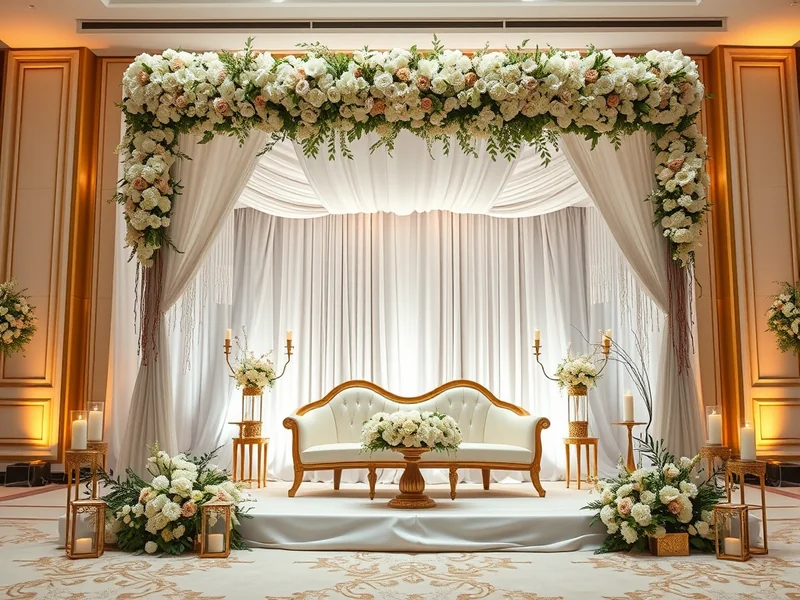
Custom decor that reflects the cultural significance and aesthetic traditions of your ceremony style.
Ritual Coordination
Our team coordinates with priests, musicians, and specialists to ensure every ritual is performed correctly.
Day-of Management
Seamless execution of every event so your family can be fully present in every meaningful moment.
Pan-India Reach
Plan your Interfaith Wedding anywhere in India
We coordinate interfaith weddings across India's most beautiful destinations.
Common Questions
Frequently Asked Questions
What is an interfaith wedding?
How are interfaith wedding ceremonies usually structured?
What makes interfaith wedding planning operationally distinct?
What are the legal requirements for an interfaith marriage in India?
What guest counts are typical for an interfaith wedding?
What does an interfaith wedding planner cost with Velvet Knot?
How does Velvet Knot plan an interfaith wedding?
Which cities is interfaith wedding planning most in demand?
Begin Your Engagement
Plan your Interfaith Wedding Planner
Share a few details and we will respond within 24 hours with a scheduling link for a 30-minute consultation.