Sikh Wedding Traditions: Complete Anand Karaj Planning Guide
- Pre-Wedding Ceremonies in a Sikh Wedding
- The Anand Karaj: The Sikh Wedding Ceremony
- Gurudwara Wedding Rules and Etiquette
- Sikh Wedding Dress Code
- Post-Wedding: Doli and Reception
- Modern Sikh Weddings: Trends in 2026
- Sikh Wedding Cost Breakdown (2026 Estimates)
- Related pre-wedding rituals
- Frequently Asked Questions
- Plan Your Sikh Wedding with Velvet Knot
- Sources and further reading
The Anand Karaj is the Sikh wedding ceremony, performed before the Guru Granth Sahib, in which the couple circles the scripture four times while the four Laavan hymns are recited, each marking a stage of love and spiritual growth. Sikh weddings in India usually span two to three days, including the Roka, Sangeet, Mehendi, and the distinctive Jaggo.
The Anand Karaj is the Sikh marriage ceremony, a deeply spiritual union performed in the presence of the Guru Granth Sahib (the holy scripture of Sikhism). It involves the couple circling the Guru Granth Sahib four times while the four Laavan (hymns composed by Guru Ram Das Ji) are recited, each representing a stage of love and spiritual growth. Sikh weddings in India typically span two to three days, including pre-wedding celebrations like Roka, Chunni Chadhai, Sangeet, Mehendi, and the distinctive Jaggo ceremony. With India’s Sikh population of approximately 21 million (Census 2011), predominantly in Punjab, Haryana, Delhi, and diaspora communities worldwide, the Anand Karaj is one of the most recognisable and joyful wedding traditions in the country. This guide covers every ritual, Gurudwara etiquette, dress codes, and modern planning tips.
Pre-Wedding Ceremonies in a Sikh Wedding
Roka Ceremony
The Roka is the first formal step in a Sikh wedding, marking the agreement between both families to proceed with the marriage. The bride’s family visits the groom’s home and offers sweets, dry fruits, and a shagun (auspicious gift, usually an odd amount of cash). The groom’s family reciprocates. An Ardas (Sikh prayer) is performed seeking Waheguru’s (God’s) blessings. The Roka is a relatively intimate affair with 20 to 50 close family members. In modern Sikh families, the Roka has evolved into a celebration with decor, catering, and even a small function at a restaurant or banquet hall, costing INR 50,000 to INR 3,00,000.
Chunni Chadhai (Chunni Ceremony)
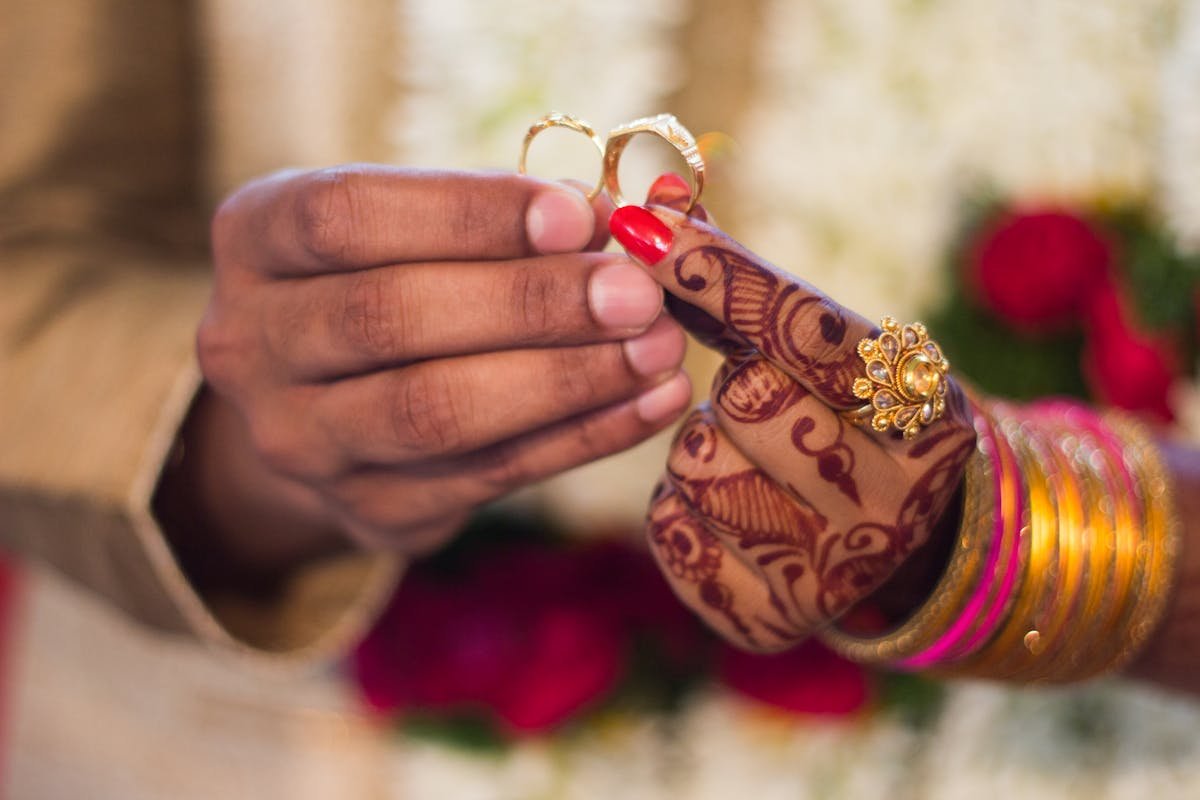
The Chunni Chadhai is a distinctly Punjabi Sikh tradition where the groom’s family formally presents the bride with a red chunni (scarf/dupatta), along with sweets, dry fruits, jewellery, and outfits. The groom’s mother or sister drapes the chunni over the bride’s head, symbolising the groom’s family’s acceptance and affection for the bride. This ceremony is usually held a few weeks or months before the wedding and is hosted at the bride’s home. It is accompanied by singing, dancing, and a festive meal. The Chunni Chadhai gift budget typically ranges from INR 1,00,000 to INR 10,00,000 depending on the family’s means.
Sangeet and Mehendi
The Sangeet and Mehendi ceremonies in Sikh weddings are among the most energetic pre-wedding events in Indian culture. Punjabi sangeets are legendary for their high energy, featuring choreographed Bhangra and Giddha performances, live dhol players, and a DJ. Families often hire professional choreographers (INR 30,000 to INR 3,00,000) and create elaborate themed stages. The Mehendi is held simultaneously or the previous day, with the bride and female guests getting henna applied. According to WedMeGood’s 2025 data, Punjabi/Sikh sangeets in Delhi-NCR have an average budget of INR 5,00,000 to INR 15,00,000, making them some of the most lavish in India.
Jaggo: The Midnight Celebration
The Jaggo ceremony is one of the most unique and beloved Sikh pre-wedding traditions. Held the night before the wedding, it involves family members (typically the bride’s or groom’s aunts) carrying decorated brass pots (gaggar) on their heads, lit with candles or diyas, and dancing through the neighbourhood or hotel corridors while singing traditional Punjabi wedding songs. The word “Jaggo” means “wake up,” as the procession is meant to announce the wedding and invite everyone to join the celebrations. A dhol player leads the procession, and it often turns into a spontaneous street party. Modern Jaggo celebrations include decorated LED pots and can cost INR 20,000 to INR 1,00,000 for the setup and entertainment.
Vatna/Haldi (Maiyan Ceremony)
The Maiyan ceremony is the Sikh version of the haldi/ubtan ritual. Held on the morning of the wedding at both the bride’s and groom’s homes, a paste of turmeric, mustard oil, and flour is applied to the bride and groom by close family members. A red thread (mauli) is tied around the bride’s and groom’s wrists, and they are not supposed to leave the house until the wedding ceremony. The Chooda ceremony often follows the Maiyan for the bride, where the maternal uncle (mama) gifts her a set of red and ivory bangles (chooda) that she wears for 40 days after the wedding. The Kaleere (golden ornamental hangings) are tied to the chooda by the bridesmaids.
The Anand Karaj: The Sikh Wedding Ceremony
Milni: Meeting of the Families
On the wedding morning, the groom’s side (baraat) arrives at the Gurudwara or wedding venue. The Milni ceremony takes place at the entrance, where corresponding male members from both families (father-to-father, uncle-to-uncle, brother-to-brother) exchange garlands and embrace. Each Milni pair is announced, and the exchange is accompanied by cheers, the beating of the dhol, and blessings. The Milni symbolises the union of two families and sets a warm, welcoming tone for the ceremony.
Ardas (Opening Prayer)
The Anand Karaj ceremony begins with an Ardas, a formal Sikh prayer, performed by the Granthi (Sikh priest) in the presence of the Guru Granth Sahib. The Ardas seeks Waheguru’s blessings for the couple and the ceremony ahead. The congregation stands with folded hands during the Ardas. After the Ardas, the Granthi explains the significance of the Anand Karaj to the couple and the gathered sangat (congregation), reminding them of the spiritual responsibilities of marriage in Sikhism.
Palla Ceremony
Before the Laavan begin, the bride’s father or a senior family member places one end of a palla (a sash or scarf, often a long piece of fabric matching the groom’s attire) in the groom’s hand and the other end in the bride’s hand. This symbolises the father entrusting his daughter to the groom and the couple’s bond as they embark on their spiritual journey together. The bride holds the palla throughout the four Laavan.
The Four Laavan: Heart of the Anand Karaj
The four Laavan are the sacred hymns written by Guru Ram Das Ji (the fourth Sikh Guru) that form the core of the Anand Karaj. Each Laav is first read from the Guru Granth Sahib by the Granthi, and then the ragis (musicians) sing it while the couple walks clockwise around the Guru Granth Sahib. Here is what each Laav represents:
- First Laav: The first step represents the couple’s commitment to leading a righteous life together. God instructs the couple to fulfil their duties to family and community, to embrace Dharma (righteousness), and to remember the Lord’s name. It marks the beginning of the spiritual journey from worldly attachment to divine love.
- Second Laav: The second step signifies the couple meeting their True Guru and experiencing the fear of God, which purifies the ego. The bride and groom recognise the divine presence in each other and begin to see God everywhere. It represents the awakening of spiritual consciousness within the marriage.
- Third Laav: The third step represents detachment from the world and the deepening of divine love. The couple feels longing for God, and through the congregation of saints and holy company, they sing God’s praises. Worldly desires begin to fade as spiritual devotion grows.
- Fourth Laav: The final step represents the ultimate union with God. The couple’s minds are at peace, they have found the Lord, and their hearts bloom with divine love. The marriage is complete in the spiritual sense: the bride and groom are now united not just with each other but with the Creator. This is the state of Anand (bliss) that gives the ceremony its name.
After the fourth Laav is completed, the ragis sing the Anand Sahib (hymn of bliss, the first five and last stanza of the 40-stanza hymn), followed by a concluding Ardas. Karah Prasad (sacred sweet made from flour, ghee, and sugar) is distributed to all present. The entire Anand Karaj ceremony typically takes 1.5 to 2.5 hours.
Gurudwara Wedding Rules and Etiquette
If your Anand Karaj is being held at a Gurudwara, there are important rules and etiquette guidelines to follow:
- Head Covering: Every person entering the Gurudwara must cover their head. Men and women who are not wearing turbans should carry a scarf, bandana, or dupatta. Many Gurudwaras provide head coverings at the entrance.
- Shoes Off: Shoes must be removed before entering the prayer hall. Most Gurudwaras have a joda ghar (shoe storage area).
- No Alcohol or Tobacco: Alcohol, tobacco, and any intoxicants are strictly prohibited on Gurudwara premises. This means no champagne toasts, no smoking areas, and no bar setup. Wedding receptions with alcohol must be held at a separate venue.
- Sitting on the Floor: The sangat (congregation) sits on the floor in the prayer hall, facing the Guru Granth Sahib. Chairs may be available for elderly or disabled guests in some Gurudwaras.
- Modest Dress: Both men and women should dress modestly. Sleeveless outfits should be covered with a dupatta or shawl.
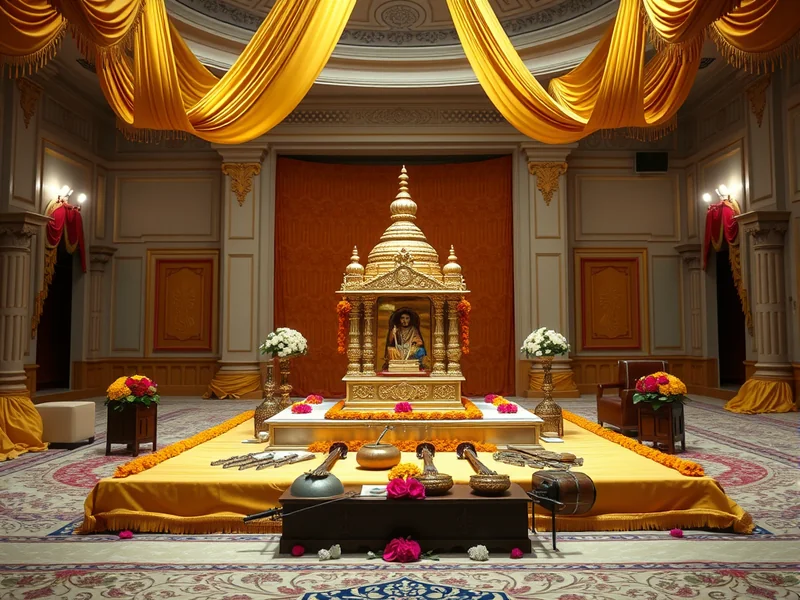
- No Decorations on Guru Granth Sahib’s Palki: The area around the Guru Granth Sahib should not be decorated with flowers or other embellishments unless the Gurudwara committee permits it. Decor is usually limited to the seating areas and entrance.
- Langar: Most Gurudwaras serve Langar (community kitchen meal) after the ceremony. This is a free, vegetarian meal served to all attendees regardless of caste, creed, or social status. Families may also arrange their own catered lunch or dinner in a separate area.
According to the Shiromani Gurdwara Parbandhak Committee (SGPC), the Anand Karaj should only be performed in the presence of the Guru Granth Sahib, and both the bride and groom should ideally be Sikh or willing to embrace Sikh values. However, many modern Gurudwaras and Sikh families are flexible about interfaith ceremonies, especially in urban areas.
Sikh Wedding Dress Code
Bridal Attire
The Sikh bride traditionally wears a red or maroon lehenga or salwar kameez, heavily embroidered with gold zardozi or gota patti work. The red chooda (set of bangles) on her wrists and kaleere (golden hangings) are distinctive Sikh bridal markers. Modern Sikh brides are experimenting with colours like pastel pink, peach, coral, and even lavender, though red remains the most popular choice. Bridal jewellery includes a maang tikka, nath (nose ring), jhumka earrings, and a statement necklace set. Bridal outfit budgets range from INR 50,000 to INR 10,00,000 depending on the designer and craftsmanship.
Groom’s Attire and Turban
The Sikh groom wears a sherwani or achkan with a churidar or dhoti, paired with a turban (pagdi or dastar). The turban is an essential part of Sikh identity and the groom’s wedding look. Turban colour is traditionally red or maroon to match the bride, though pink, gold, and royal blue are also popular. The turban is often styled in the Patiala Shahi or pochvi style for weddings, adorned with a kalgi (turban brooch) and sehra (face veil made of flowers or beads). Professional turban tying services for weddings in Punjab and Delhi charge INR 2,000 to INR 15,000. The groom also carries a kirpan (ceremonial sword), one of the five articles of Sikh faith.
Post-Wedding: Doli and Reception
Doli (Bridal Farewell)
The Doli is the Sikh equivalent of the vidaai. After the Anand Karaj and the wedding meal, the bride bids an emotional farewell to her family and leaves with the groom. The bride throws handfuls of puffed rice (kheel) or rice over her shoulders as she walks to the car, symbolising prosperity for her parental family. The Doli is accompanied by tears, blessings, and the beating of the dhol. In modern weddings, the Doli often happens at the venue itself, with the couple departing in a decorated car.
Reception
The reception is hosted by the groom’s family, either on the wedding evening or the next day. Sikh wedding receptions are known for their grandeur, with lavish Punjabi food spreads (butter chicken, dal makhani, paneer tikka, naan, and an array of sweets including gulab jamun and jalebi), live music, a DJ, and often a dance floor. Many families also include a cake-cutting ceremony. Reception budgets in tier-1 cities range from INR 5,00,000 to INR 50,00,000 or more. According to WeddingWire India’s 2025 report, the average Sikh wedding in Delhi-NCR costs between INR 25,00,000 and INR 1,00,00,000, making them some of the most lavish weddings in India.
Modern Sikh Weddings: Trends in 2026
Sikh weddings are embracing modern trends while preserving spiritual traditions. Destination Anand Karaj ceremonies at palace hotels in Rajasthan, beach resorts in Goa, and even international locations like Thailand and Italy are increasingly popular among affluent families. The SGPC has allowed the use of portable palki sahib (mobile Guru Granth Sahib setup) for destination Anand Karaj, provided proper respect and protocols are followed. Fusion weddings that combine Sikh traditions with Western elements (like a cocktail party, brunch reception, or a first-look photoshoot) are common in urban and NRI families. Eco-conscious Sikh weddings with digital invitations, locally sourced decor, and zero-waste catering are a growing trend. Pre-wedding photoshoots at historic locations in Punjab (like Amritsar’s Golden Temple surroundings and Patiala’s Qila Mubarak) have become almost standard, with couples spending INR 50,000 to INR 3,00,000 on these shoots.
Sikh Wedding Cost Breakdown (2026 Estimates)
| Category | Budget Range (INR) |
|---|---|
| Gurudwara / Venue | 50,000-25,00,000 |
| Catering (per plate, 500 guests) | 1,500-5,000 |
| Decor (all events) | 2,00,000-25,00,000 |
| Bridal Outfit & Jewellery | 1,00,000-15,00,000 |
| Groom’s Outfit & Turban | 30,000-3,00,000 |
| Photography & Videography | 1,50,000-10,00,000 |
| Entertainment (DJ, Dhol, Choreographer) | 1,00,000-10,00,000 |
| Invitations | 20,000-2,00,000 |
| Chooda & Kaleere | 15,000-1,50,000 |
| Total (Mid-Range, Metro City) | 25,00,000-1,00,00,000 |
Related pre-wedding rituals
Frequently Asked Questions
How long does an Anand Karaj ceremony take?
The Anand Karaj ceremony itself, from the opening Ardas to the distribution of Karah Prasad, typically takes 1.5 to 2.5 hours. Including the Milni and post-ceremony Langar or meal, the entire Gurudwara event lasts 3 to 5 hours. Most Anand Karaj ceremonies are held in the morning, starting between 8:00 AM and 11:00 AM.
Can a non-Sikh marry in a Gurudwara?
This is a nuanced question. The SGPC’s official stance is that the Anand Karaj is a Sikh religious ceremony and both parties should be Sikh. However, many Gurudwaras, particularly outside SGPC jurisdiction, do perform interfaith Anand Karaj ceremonies, especially if the non-Sikh partner is willing to respect Sikh traditions and the sanctity of the Guru Granth Sahib. Interfaith couples should discuss this with the specific Gurudwara’s management committee well in advance. Alternatively, couples can have a civil ceremony under the Special Marriage Act alongside a private Sikh blessing.
What is the significance of the Chooda ceremony?
The Chooda is a set of 21 red and ivory (or white) bangles gifted to the bride by her maternal uncle (mama) on the morning of the wedding. The chooda is considered sacred and the bride is supposed to wear it for a minimum of 40 days and up to one year after the wedding. It signifies the bride’s new marital status and her maternal family’s love and blessings. Modern brides sometimes opt for designer chooda sets in pastel shades or customised designs. Chooda sets range from INR 5,000 to INR 1,50,000.
Is alcohol allowed at a Sikh wedding?
Alcohol is strictly prohibited inside a Gurudwara and during the Anand Karaj ceremony. Sikhism forbids the consumption of intoxicants. However, many Sikh families do serve alcohol at the reception or cocktail party, which is held at a separate venue (banquet hall, hotel, or farmhouse). The key distinction is that alcohol is never present during the religious ceremony or on Gurudwara premises. Some families choose to have a completely dry wedding in keeping with Sikh values.
What is the best season for a Sikh wedding in Punjab?
The peak Sikh wedding season in Punjab is November to February, when the weather is cool and pleasant. December and January are the busiest months. The months of Chet and Vaisakh (March-April) are also popular as they coincide with Baisakhi, the Sikh harvest festival. Summers (May-June) are extremely hot in Punjab, with temperatures exceeding 45 degrees Celsius, making outdoor events challenging. The monsoon season (July-September) is generally avoided. Book your Gurudwara and venue 6 to 12 months in advance for peak season dates.
Can we have a destination Anand Karaj outside a Gurudwara?
Yes, it is possible to have a destination Anand Karaj at a hotel, palace, or resort, provided the Guru Granth Sahib is present and proper protocols are maintained. This requires a Granthi (priest) to travel with the Guru Granth Sahib, a designated clean room for the Guru Granth Sahib’s overnight stay (prakash), and arrangements for morning and evening prayers (nitnem). Many luxury wedding venues in Rajasthan, Goa, and Himachal Pradesh now have experience hosting Sikh destination weddings and can facilitate these arrangements. Costs for destination Anand Karaj setups range from INR 1,00,000 to INR 5,00,000 over and above the venue cost.
Plan Your Sikh Wedding with Velvet Knot
Planning a Sikh wedding? Get a free, personalised quote from Velvet Knot’s expert team. From coordinating with Gurudwaras and Granthis to designing a spectacular sangeet and managing destination Anand Karaj logistics, we handle every detail with respect for your traditions and an eye for modern elegance. Get your free quote today.
Sources and further reading
Velvet Knot believes in showing our work. The references below are the authoritative sources we consult when planning weddings in this category.
- Anand Marriage Act, 1909 (text on India Code): Government of India
- Sikh Rehat Maryada (official, SGPC): Shiromani Gurdwara Parbandhak Committee
- Anand Karaj overview, Britannica: Britannica
Begin Your Engagement
Want a real number for your wedding?
Tell us your city, guest count and dates. Team Velvet Knot will come back within 24 hours with an itemised budget.