Bridal Lehenga Cost in India 2026: Designer Tiers & Real Pricing
- What moves a bridal lehenga price in 2026
- Designer tier pricing (2026)
- The five things that move the price within a tier
- City-by-city bridal lehenga commissioning
- What’s NOT in most lehenga quotes (the gotchas)
- How to evaluate a bridal lehenga quote
- How Velvet Knot coordinates bridal trousseau
- Wedding style ideas
- Bridal outfit inspiration
- Shopping on a trip from abroad
- The fitting timeline, and why lateness costs money
- Afterwards: alterations, cleaning and keeping it
- Buying abroad, or bringing one home
- Frequently Asked Questions
- Sources and further reading
A designer bridal lehenga in India in 2026 costs Rs 2.5 lakh to Rs 35 lakh+ depending on the designer tier, fabric, embroidery technique, and customisation. Sabyasachi bridal couture sits at Rs 6-30 lakh, Tarun Tahiliani at Rs 4-20 lakh, Manish Malhotra at Rs 4-22 lakh. Boutique-designer bridal lehengas with detailed zardozi and gota patti work start at Rs 1.8-3.5 lakh. Add Rs 40,000-1.5 lakh per pre-wedding event outfit if you’re commissioning matching pieces.
What you’ll find here
What moves a bridal lehenga price in 2026
Bridal lehenga pricing is opaque to most first-time brides because the headline number rarely tells the whole story. The actual cost is set by five factors stacked together: the designer (or maker), the fabric base, the embroidery technique and density, the customisation depth, and where you buy. A Rs 3 lakh lehenga and a Rs 15 lakh lehenga can look superficially similar in photos but differ structurally in every one of those five layers.
The numbers come from confirmed bookings and atelier conversations across Delhi, Mumbai, Hyderabad, and Bangalore.
Designer tier pricing (2026)
Couture-tier designers (Rs 6-35 lakh)
The flagship Indian bridal designers. Their bridal lehengas are commissioned 8-14 months in advance, fitted across multiple ateliers, and often part of the bride’s own design conversation. Buying at this tier is closer to commissioning art than picking off a rack.
- Sabyasachi: Bridal lehenga Rs 6-30 lakh. Heritage-weight zardozi, marodi, and aari work; tussar silk, mulberry silk, and tulle bases. Mumbai, Delhi, Kolkata flagship stores plus atelier appointments. Sabyasachi.
- Tarun Tahiliani: Bridal lehenga Rs 4-20 lakh. Drape engineering and concept couture: the “modern Indian” aesthetic. Tarun Tahiliani.
- Manish Malhotra: Bridal lehenga Rs 4-22 lakh. Heavy sequin, mirror, and metal embellishment; Bollywood-adjacent aesthetic. Manish Malhotra.
- Anita Dongre: Bridal lehenga Rs 3-15 lakh. Pichwai-inspired prints, organic fabrics, lighter handwork. Anita Dongre.
- Rimple & Harpreet Narula: Rs 5-25 lakh. Heirloom-quality benarasi and pure-zari work, slow-craft pieces.
- Anamika Khanna: Rs 4-20 lakh. Cape silhouettes, contemporary draping, bridal couture line.
Premium designer-bridal (Rs 1.8-6 lakh)
Designers with strong bridal portfolios but more accessible commissioning timelines. Many brides choose this tier for the pre-wedding events (sangeet, mehndi, cocktail) and reserve couture tier for the wedding-day lehenga.
- Shyamal & Bhumika: Rs 2-6 lakh. Strong pastel and ivory bridal direction.
- JJ Valaya: Rs 2.5-7 lakh. Royal Rajput aesthetic, heavy zari.
- Ridhi Mehra: Rs 1.8-4.5 lakh. Lighter ceremonial pieces.
- Punit Balana: Rs 2-5 lakh. Jaipur-rooted block-print and gota-patti craft.
Boutique bridal designers (Rs 80,000-2 lakh)
Regional and city-based bridal ateliers. Frontier Raas, Aza Fashions multibrand stores, Chandni Chowk Delhi, Borivali Mumbai, Jubilee Hills Hyderabad. Strong gota patti, zardozi, and dabka work at sharp price points. Lead time 3-5 months.
Made-to-order at heritage textile centres (Rs 40,000-1.2 lakh)
Banaras (pure benarasi silk), Surat (zari and embroidery), Lucknow (chikankari), Hyderabad (Khada Dupatta heritage). Commissioning directly from heritage weavers; lower price, longer timelines (4-8 months), needs design oversight.
The five things that move the price within a tier
Fabric base
The price difference between a polyester-georgette base and a pure tussar silk or raw silk base, before any embroidery is applied, is Rs 15,000-80,000 per 8 metres. Heritage benarasi silk woven specifically for the lehenga adds Rs 1-4 lakh.
Embroidery technique and density
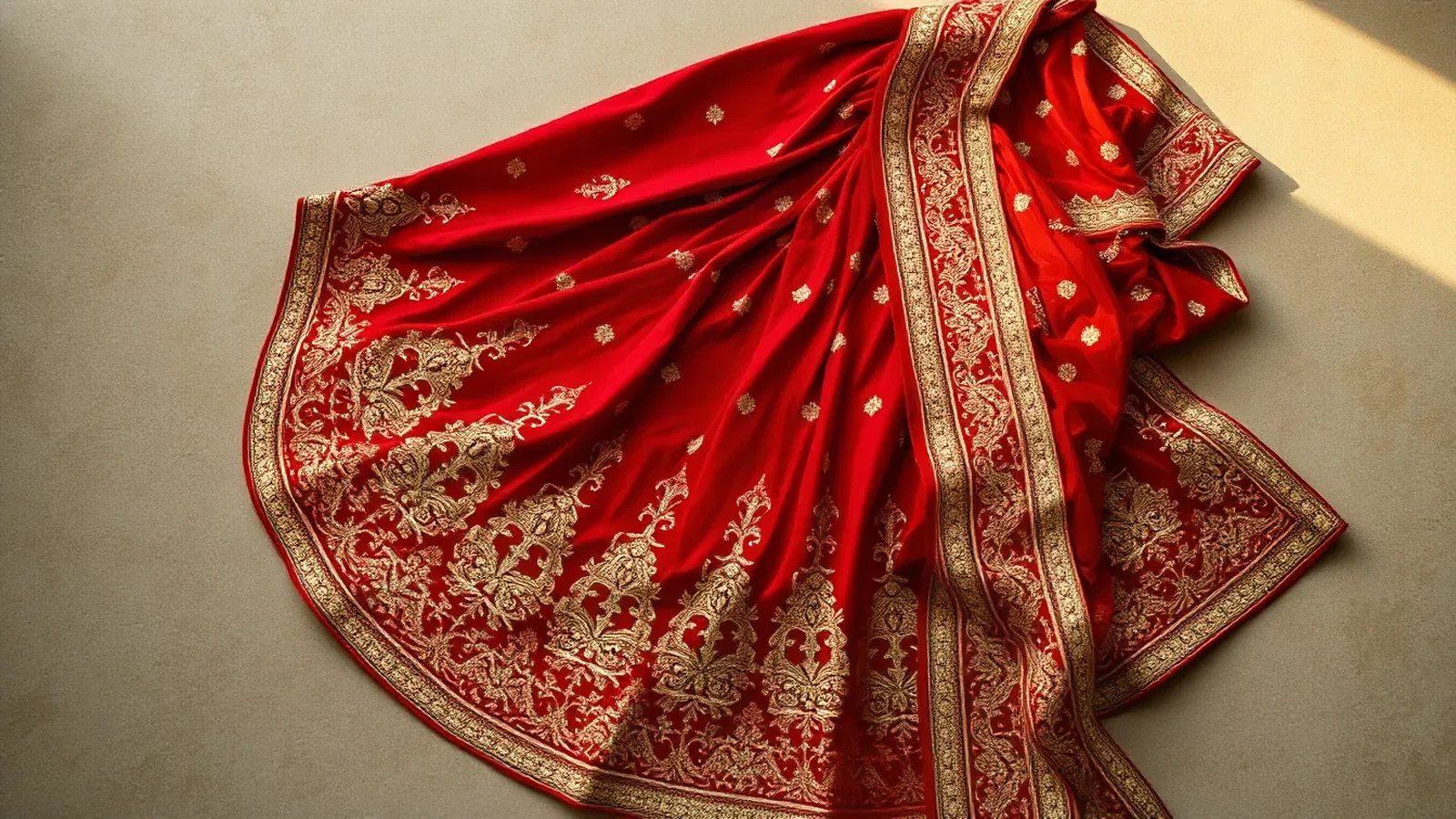
Hand-zardozi (gold-thread couching) takes 40-180 days of work for a full bridal lehenga at one specialist’s pace. Aari embroidery (hook needle) is faster, dabka and gota-patti are mid-pace, machine-embroidery is the fastest. The same overall design quoted in zardozi vs machine work differs by Rs 2-8 lakh.
Customisation depth
Off-the-runway: 30-50% cheaper but no fit changes. Tier 1 customisation (size, length, colour swap): standard. Tier 2 (full re-design, new motif, custom blouse): adds Rs 50,000-3 lakh. Atelier-from-scratch: full couture-tier pricing.
Where you buy
Direct from the designer flagship: published prices, full warranty, full alteration window. Multibrand luxury store (Aza, Pernia’s Pop-Up Shop, Ogaan, Carma): same prices plus a small mark-up, broader designer selection. Trunk show: occasional 10-15% pre-collection discount. Resale (StyleCracker, secondhand luxury platforms): 40-70% off published prices for used pieces.
Pre-wedding outfits as a stack
A complete bridal trousseau in the couture tier (wedding lehenga, sangeet lehenga, mehndi outfit, cocktail gown, reception lehenga, and engagement outfit) runs Rs 15 lakh to Rs 85 lakh+ depending on how many pieces stay couture vs drop to premium designer.
City-by-city bridal lehenga commissioning
Delhi
Largest concentration of designer ateliers and flagship stores. Sabyasachi at Mehrauli, Tarun Tahiliani at DLF Emporio, Manish Malhotra Manor at Mehrauli, Anita Dongre at DLF Emporio. Chandni Chowk for heritage benarasi, Karol Bagh for lehenga rentals and mid-range. Delhi wedding planner.
Mumbai
Premium Indian designer mecca. Sabyasachi at Kala Ghoda, Tarun Tahiliani at Mehrauli, Manish Malhotra at Tulsi Pipe Road, plus Aza Fashions, Ensemble, Carma at multiple locations. Mumbai wedding planner.
Hyderabad
Strong base in Jubilee Hills and Banjara Hills. Manish Malhotra Hyderabad store. Tarun Tahiliani trunk shows quarterly. Mugdha Art Studio for atelier-quality boutique pieces. Hyderabad wedding planner.
Bangalore, Chennai, Kolkata
Each has 8-15 strong bridal designers and access to most major couture brands through Aza and Pernia outposts. Kolkata particularly strong for benarasi silk bridal.
What’s NOT in most lehenga quotes (the gotchas)
- Blouse design and fitting: Couture blouses cost Rs 40,000-2.5 lakh extra if heavily embellished
- Petticoat and inner construction: Rs 4,000-15,000
- Multiple fittings travel: If you’re not based in the designer’s city, flights for 3-4 fittings stack up
- Storage and pressing before the wedding: Heavy lehengas need climate-controlled storage; couture houses charge Rs 8,000-30,000 for pre-wedding maintenance
- Alteration after final fitting: Late changes (weight fluctuation, design tweaks) add Rs 10,000-1 lakh
- Trousseau matching: If the wedding lehenga is custom, matching jewellery, dupattas, and accessories add another 30-50% on top
How to evaluate a bridal lehenga quote
Ask the designer to itemise: (1) fabric base + cost, (2) embroidery technique + estimated artisan-days, (3) blouse construction, (4) trial fittings included, (5) timeline. A reputable bridal designer will share at least three of those five in writing. If everything is bundled into one number with no detail, expect cost creep of 15-30%.
How Velvet Knot coordinates bridal trousseau
The prices you see are the prices we negotiate. Request a quote.
Wedding style ideas
Bridal outfit inspiration
Shopping on a trip from abroad
The fitting timeline, and why lateness costs money
A couture lehenga is not bought, it is commissioned, and the price you are quoted assumes
you arrive on the maker’s schedule. Every stage you compress is either paid for in rush
charges or absorbed in quality.
| Stage | When | What happens | What goes wrong if you are late |
|---|---|---|---|
| First meeting and design | Several months out | Silhouette, palette, embroidery language and budget agreed | The atelier’s calendar for your wedding season fills, and you are choosing from what is left |
| Fabric and measurements | Shortly after | Base fabric selected, first measurements taken, advance paid | Specific fabrics and threadwork have their own lead times and cannot be hurried |
| First fitting | Roughly midway | The garment exists in rough form. Structure and drape are corrected | Structural changes are cheap here and expensive later |
| Second fitting | Weeks before | Embroidery is on. Fit is refined around the finished weight | Skipping this is why a lehenga that fitted in the studio does not fit on the day |
| Final fitting | Close to the wedding | Final adjustments, with the actual blouse, dupatta and footwear | Too close and there is no time to fix anything you find |
| Delivery | Before the travel date, not the wedding date | The finished outfit is collected and checked | Destination weddings need the outfit in hand well before departure |
Two things to hold firm on. Do the final fitting in the shoes and jewellery you will
actually wear, because heel height changes the hem and a heavy necklace changes how the
blouse sits. And do not lock the fit months early if your weight is likely to change: build
adjustment allowance into the seams and say so at the first meeting, which costs nothing
then and is close to impossible to add later.
Afterwards: alterations, cleaning and keeping it
The lehenga is often among the largest single purchases of the wedding, and what happens
to it in the following weeks decides whether it survives.
- Do not send it to an ordinary dry cleaner. Heavy zardozi, zari and
sequin work reacts badly to standard solvents and to pressing. Ask the atelier who they use,
or find a specialist who will treat it by hand and spot-clean rather than fully
immerse. - Deal with stains quickly and honestly. Tell the cleaner exactly what
the mark is. Guesswork is what sets a stain permanently. - Store it flat or rolled, never hanging. The weight of the embroidery
pulls a hanging garment out of shape within months. Use a breathable cotton cover rather
than the plastic it came in, which traps moisture. - Keep it away from humidity and direct light. Metallic thread tarnishes
and silk yellows, and a wardrobe on an outside wall in a coastal city is the worst place
in the house. - Decide early if you intend to re-cut it. Many brides shorten or
restyle the lehenga later. That is far easier if the original was made with generous seams,
which is a decision at the first fitting rather than a possibility afterwards.
Buying abroad, or bringing one home
A large share of Indian bridal outfits are bought by families who do not live in India, or
who are marrying away from the city the atelier is in. That changes the practical questions
entirely.
- Plan the trip around the fittings, not the shopping. The first
measurement visit and the final fitting are the two that cannot be done remotely. Most
families can compress everything else into those two trips if they plan it that way from
the start. - Remote fittings work better than people expect, but only with a
tailor at your end taking the measurements to the atelier’s specification. A video call with
a tape measure and no help is how sleeves come back wrong. - Ask what happens if it does not fit on arrival. Who pays for
alterations, who does them, and how quickly. This is the single most useful clause to agree
before you pay the balance. - Carry it, do not ship it, if you possibly can. Heavy embroidery,
customs and courier handling are a bad combination. Where it must be shipped, insure it for
the real value and keep the invoice accessible for customs. - Check the weight before you commit to a look. A fully worked bridal
lehenga is genuinely heavy, and a bride wearing one through a long ceremony in summer heat
will feel every gram. Ask to hold a comparable finished piece rather than judging from a
photograph.
One more thing worth saying plainly, because it is the most common regret: order earlier
than feels necessary. Almost nobody regrets having the outfit finished two months out. A great many families spend the fortnight before the wedding chasing an atelier, and that
fortnight is the one when everything else also needs attention.
Frequently Asked Questions
How much should I budget for a bridal lehenga in 2026?
For a couture-tier wedding-day lehenga (Sabyasachi, Tarun Tahiliani, Manish Malhotra), budget Rs 6-15 lakh as a realistic baseline. For premium designer (Shyamal & Bhumika, JJ Valaya, Anita Dongre lighter line), Rs 2-6 lakh. For boutique-designer with strong handwork, Rs 1-2 lakh.
How early should I commission a bridal lehenga?
Couture-tier: 10-14 months before the wedding. Premium designer: 6-8 months. Boutique custom: 3-5 months. Last-minute purchases (under 90 days) are limited to runway-ready pieces from multibrand stores with no major customisation.
Is renting a bridal lehenga worth considering?
Rental platforms (Flyrobe, The Stylease) offer designer lehengas at 10-25% of purchase price. Useful for sangeet and cocktail outfits where the piece will only be worn once. For the wedding-day lehenga itself, most luxury-tier brides commission rather than rent: the lehenga becomes a family heirloom.
What is the most expensive bridal lehenga ever made?
Documented bespoke commissions from Sabyasachi, Falguni & Shane Peacock, and Rohit Bal have crossed Rs 50 lakh to Rs 1 crore for one-of-one pieces with hand-set precious stones, 24-karat zari, and over 1,000 artisan-days of embroidery.
Sources and further reading
Begin Your Engagement
Want a real number for your wedding?
Tell us your city, guest count and dates. Team Velvet Knot will come back within 24 hours with an itemised budget.