What to Wear to an Indian Wedding: A Guest Outfit Guide
- First, Ask What You Are Dressed For
- Mehndi and Haldi: Wear Your Brightest
- Sangeet: Bring the Glamour
- The Wedding Ceremony: Refined, Not Rivalling
- Reception: Black-Tie, Indian Edition
- Colour Etiquette, Day Versus Night, and Season
- Destination Weddings: Dress for the Location
- Footwear, Accessories and the Small Things
- Budget Versus Designer, and a Function-by-Function Cheat Sheet
- Guest etiquette and roles
- Frequently Asked Questions
- Sources and further reading
Dressing for an Indian wedding means matching your outfit to each function. Wear bright colours to the haldi and mehndi, glamour to the sangeet and reception, and refined silk or a well-cut suit to the ceremony. Avoid red or white for the vows, and dress for the season.
First, Ask What You Are Dressed For
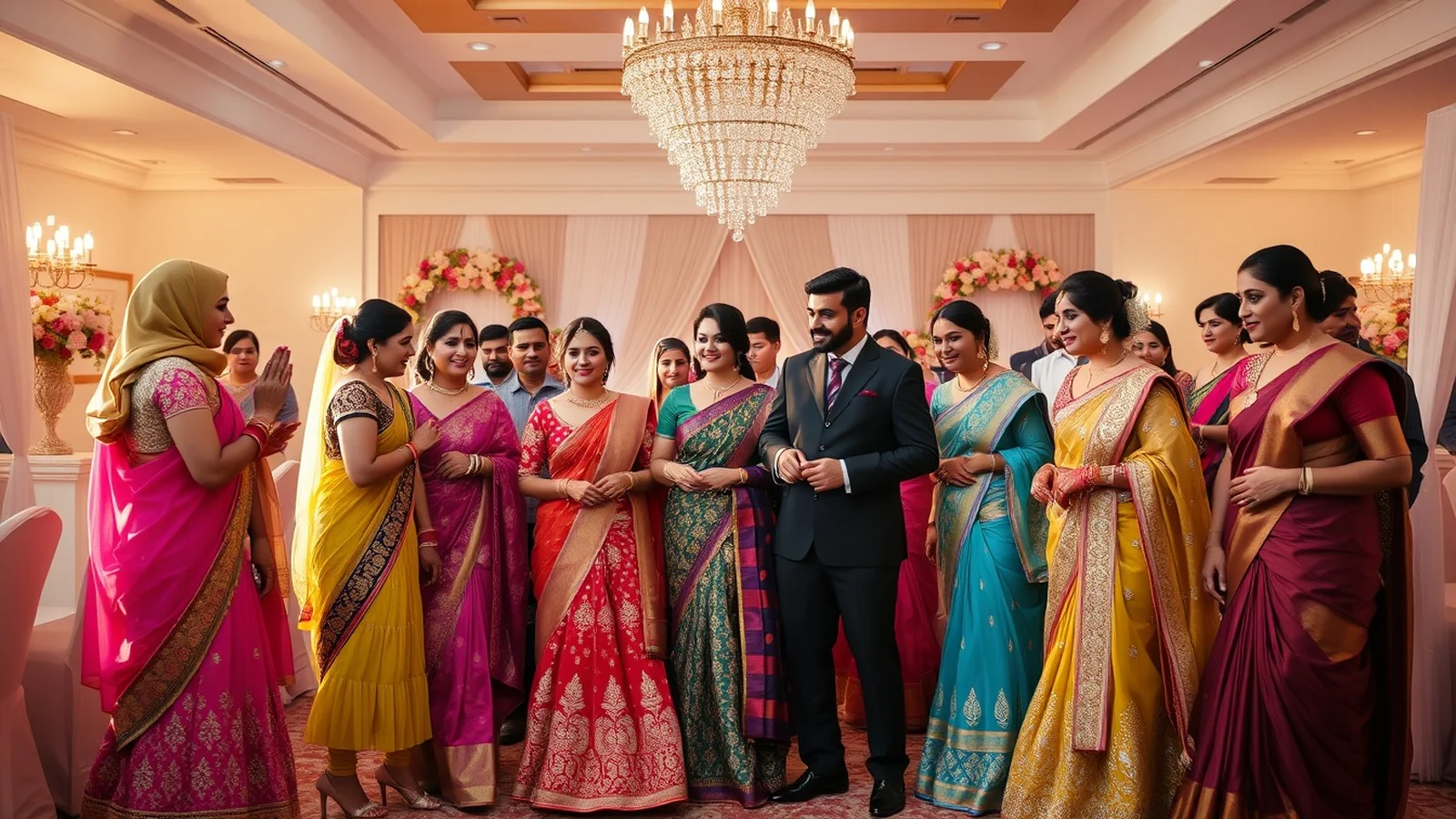
An Indian wedding is rarely a single event. Between the mehndi, haldi, sangeet, the ceremony itself and the reception, a guest can attend four or five distinct functions across two or three days, each with its own mood, time of day and unspoken dress code. Turning up in one all-purpose outfit is the most common mistake guests make, and the easiest to avoid once you understand the rhythm of the celebrations.
The golden rule is simple: dress up. Indian weddings are unapologetically festive, and colour, shine and embellishment are welcomed rather than frowned upon. When in doubt, it is far better to be slightly overdressed than underdressed. Before you plan anything, ask the hosts two questions: which functions are you invited to, and is there a colour theme or dress code for any of them. Many families now set playful codes, pastels for the mehndi, monochrome for the sangeet, and knowing this in advance saves a scramble. If you are helping plan and want the whole aesthetic to cohere, our guide to wedding theme ideas is a useful starting point.
Mehndi and Haldi: Wear Your Brightest
The mehndi and haldi are the most relaxed, joyful functions of the wedding, usually held during the day, often outdoors or in a decorated home courtyard. This is your moment for colour. Think marigold yellow, leaf green, fuchsia, coral and turquoise. Fresh floral jewellery, mirror work and light cottons or georgettes suit the daytime energy perfectly.
For the haldi in particular, a word of practical warning: turmeric paste flies everywhere and it stains permanently. Never wear anything you love or anything white. A yellow or bright printed outfit you do not mind sacrificing is the smart choice, which is exactly why yellow has become the unofficial haldi uniform. Our haldi ceremony guide explains the ritual in full, and if you are curious about the settings you will be photographed against, the haldi and mehndi decor ideas give a sense of the palette to complement.
Women often opt for a light lehenga, a cotton anarkali or a simple saree in a bright hue. Men look right in a coloured cotton or linen kurta with churidar or pyjama, sleeves easily rolled for the messier moments. Keep footwear open and easy, you will be sitting on the floor for much of it.
Sangeet: Bring the Glamour
The sangeet is a night of music, dancing and performances, and it invites your most fun, expressive outfit. This is where Indo-western pieces shine, a draped gown, a cape lehenga, a pantsuit with heavy embroidery, or a saree styled in a modern way. Sequins, metallics and jewel tones photograph beautifully under evening lighting.
The one thing to keep in mind is movement. You will almost certainly be pulled onto the dance floor, so choose something you can actually dance in. A heavily pinned saree or a floor-sweeping train can become a liability by the third song. Women frequently go for a flared anarkali or a lehenga with a lighter skirt; men look sharp in a bandhgala jacket over trousers, or a structured Indo-western kurta set. If you want to see how the mood of a sangeet is set, the sangeet theme ideas are worth a glance so your outfit reads in harmony with the room.
The Wedding Ceremony: Refined, Not Rivalling
The ceremony is the heart of the day and calls for your most elegant traditional wear, but with two important restraints. First, avoid red. In most Indian traditions the bride wears red or a deep bridal shade, and a guest in the same colour can unintentionally compete with her. Second, avoid white and, in many communities, black, as these carry associations with mourning at religious functions. When unsure, ask the family, regional customs vary.
Beyond those, richer is better. Women look wonderful in a silk saree (Kanjeevaram, Banarasi or a fine tussar), a classic lehenga, or a full-length anarkali in gold, teal, emerald, wine or dusty rose. Men suit a silk or brocade kurta with a Nehru jacket, a sherwani for closer friends and family, or a well-cut bandhgala. If you are budgeting for formal Indian wear, our breakdowns of bridal lehenga cost and groom sherwani cost give a realistic picture of what tailored pieces run to, useful even when you are shopping as a guest rather than the couple.
Reception: Black-Tie, Indian Edition
The reception is the most formal and often the most Western-leaning event, held in the evening at a hotel or banquet hall. Here a floor-length gown, a heavily embellished saree, a cocktail-style Indo-western outfit or a sharp suit all work. For men, a tailored dark suit, a tuxedo or a formal bandhgala are all correct, and this is the one function where a plain Western suit never looks out of place.
Because receptions are photographed heavily and often held in grand venues, this is the moment to lean into deeper jewel tones, metallics and statement jewellery. If the reception is destination-based, the setting itself sets the register, our notes on reception decoration ideas hint at the level of polish these evenings aim for.
Colour Etiquette, Day Versus Night, and Season
A few cross-cutting principles will keep you correct at any function. On colour: save red and white for the couple and for mourning respectively, and beyond that, embrace brights for daytime functions and jewel tones or metallics for evening ones. Pastels read as fresh and modern for daytime mehndis; anything too muted can look underdressed at a sangeet or reception.
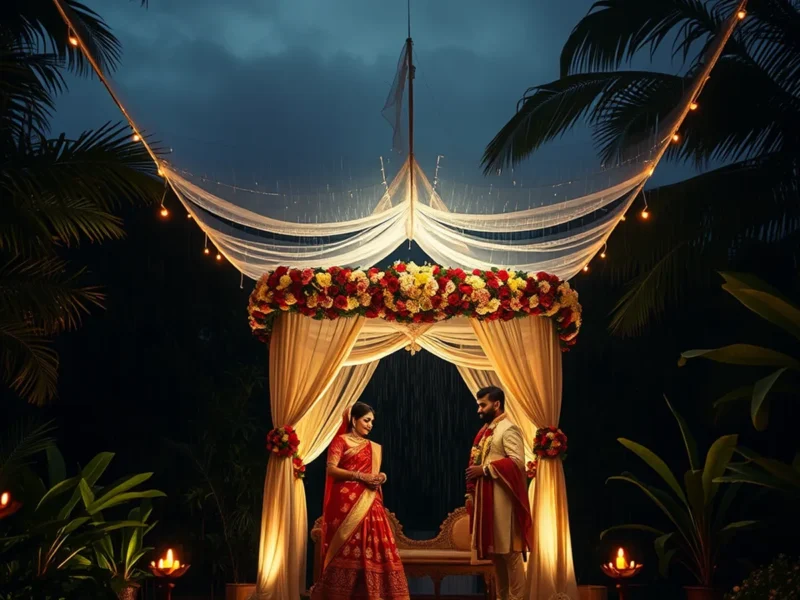
Time of day matters as much as the event. Daytime functions favour lighter fabrics (cotton, georgette, organza) and softer colours; evening functions carry heavier silks, velvets and embellishment. Season is the practical overlay. A summer wedding in Hyderabad or Chennai demands breathable fabrics and lighter drapes, while a winter wedding in Delhi or a hill-station celebration lets you layer velvet, a shawl or a heavier sherwani. Monsoon-season weddings reward outfits that survive a little humidity and hems that clear damp ground.
Destination Weddings: Dress for the Location
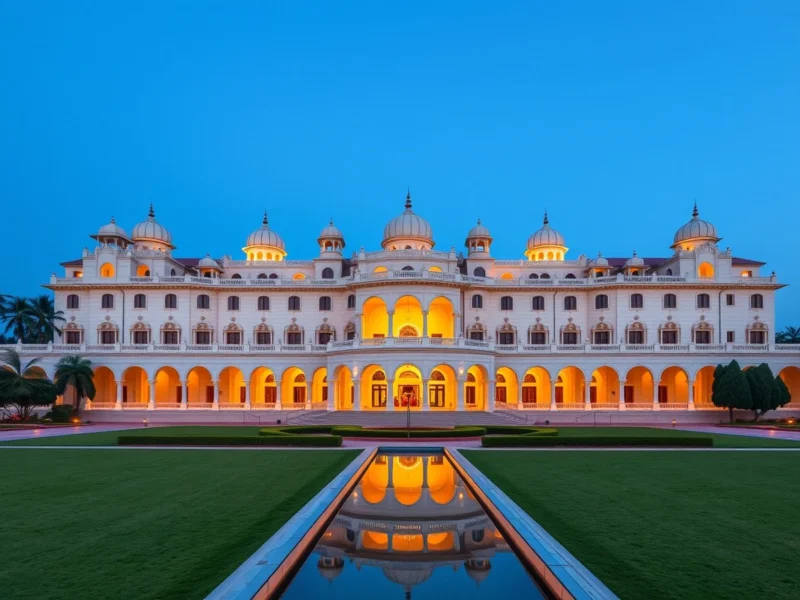
Destination weddings add a layer of planning. A beach ceremony in Goa or a palace wedding in Udaipur each imposes its own logic. For beach and poolside functions, choose flowing, lightweight fabrics and flat or wedge footwear, stilettos and sand are enemies. For palace and fort venues, the grandeur invites your most opulent traditional wear. Always pack for the specific climate, a desert winter night in Rajasthan is genuinely cold, while coastal humidity can wilt heavy silk by mid-morning.
If you are travelling, build outfits around a few mix-and-match pieces to save luggage: a couple of dupattas or jackets can restyle the same base. Couples planning these events will find our destination wedding planning guide helpful, and as a guest it is worth reading the invitation carefully, destination hosts often specify function-by-function dress codes precisely because the setting demands it.
Footwear, Accessories and the Small Things
Footwear is where comfort and style must meet. You will stand, sit on floors, and walk across lawns and marble, sometimes all in one evening. Juttis, kolhapuris and embellished flats are gracious, comfortable and thoroughly appropriate. If you prefer heels, block heels survive grass and gravel far better than stilettos. For men, mojaris or polished formal shoes finish an outfit cleanly.
On accessories, let the outfit lead. A heavily embellished lehenga needs only understated jewellery, while a plain silk saree can carry a statement necklace and jhumkas. A potli bag or a small clutch is more practical than a large handbag. Men can lift a plain kurta with a brooch, a pocket square or a contrasting stole. One reliable instinct: pick one hero element per outfit, a bold neckpiece, an embroidered jacket or a striking dupatta, and keep the rest quiet.
Budget Versus Designer, and a Function-by-Function Cheat Sheet
You do not need a designer wardrobe to look right at an Indian wedding. Renting outfits has become mainstream and is ideal for functions you will attend once. Reworking a single well-chosen saree or lehenga across events, restyled with different blouses, jackets and jewellery, is both economical and elegant. Reserve any splurge for the ceremony or reception, where photographs last, and go lighter on the daytime functions where the outfit will take a beating anyway.
Quick cheat sheet: Mehndi, daytime, bright florals and light fabrics, cotton kurta or a simple lehenga. Haldi, daytime, yellow or bright and expendable, nothing white. Sangeet, evening, glamorous and danceable, Indo-western or a lighter lehenga, bandhgala for men. Ceremony, refined silk or classic lehenga and anarkali, sherwani or brocade kurta for men, no red or white. Reception, formal evening, gown, embellished saree or a sharp suit and tuxedo. Match the fabric to the season, the colour to the time of day, and you will never be dressed wrongly. Planning a wedding of your own and want this level of coordination handled end to end, you can get a quote from our team.
Planning a luxury wedding?
Tell us your dates and vision. Team Velvet Knot will put together a tailored plan and an honest budget.
Guest etiquette and roles
Frequently Asked Questions
Can guests wear red to an Indian wedding?
It is best to avoid red at the wedding ceremony, since the bride traditionally wears red or a deep bridal shade and you do not want to compete with her. Red is perfectly fine at other functions like the sangeet or reception, and for daytime events bright colours are actively encouraged.
Is it okay to wear black or white?
White carries associations with mourning at many Indian religious functions, so skip it for the ceremony, and it is also impractical for the haldi where turmeric stains. Black is acceptable at receptions and sangeets, which are more Western in tone, but many families prefer guests avoid it at the religious ceremony. When unsure, ask the hosts.
What should men wear to an Indian wedding?
For daytime functions, a coloured cotton or linen kurta works well. For the ceremony, choose a silk kurta with a Nehru jacket, a bandhgala or a sherwani. For the sangeet and reception, a bandhgala jacket, an Indo-western set, or a tailored dark suit or tuxedo are all correct.
Do I have to wear Indian clothes as a foreign or non-Indian guest?
No, Indian clothing is welcomed but never required. A well-cut suit or an elegant gown is entirely appropriate, especially at the reception. If you would like to wear Indian attire, hosts almost always appreciate the gesture. Just follow the same colour etiquette on red and white.
What colours are safe for the mehndi and haldi?
Bright, cheerful colours are the whole point of these daytime functions. Yellow, marigold, green, coral, fuchsia and turquoise all work beautifully. For the haldi specifically, wear something bright that you do not mind staining, and never wear white.
How formal is the reception compared with the ceremony?
The reception is usually the most formal and most Western-leaning event of the wedding, held in the evening at a hotel or banquet hall. Floor-length gowns, embellished sarees, cocktail Indo-western outfits and formal suits or tuxedos are all appropriate, with deeper jewel tones and statement jewellery encouraged.
Sources and further reading
Begin Your Engagement
Want a real number for your wedding?
Tell us your city, guest count and dates. Team Velvet Knot will come back within 24 hours with an itemised budget.