The Velvet Knot Journal
Wedding planning,
demystified.
Honest guides on cost, timelines, traditions, and what really happens behind a well-planned Indian wedding.
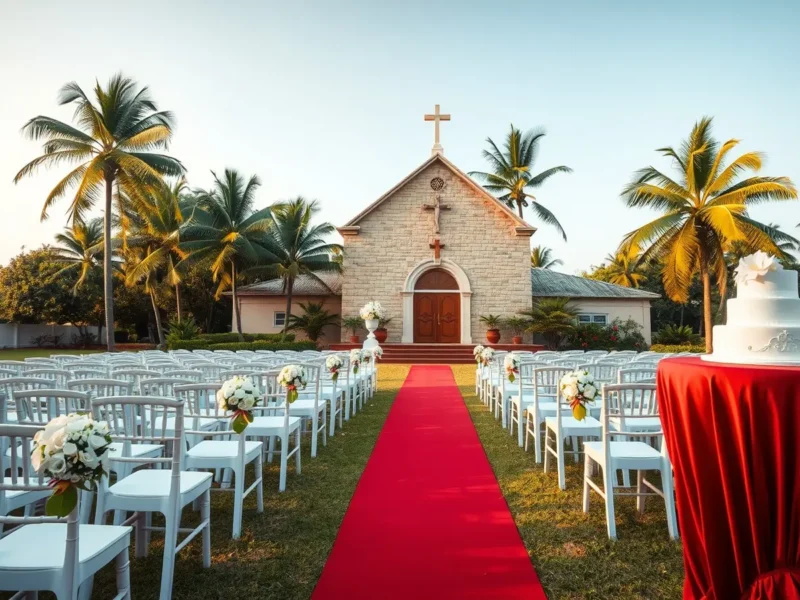
Mangalorean Catholic Wedding Traditions: Roce, the Saado, Rituals and Reception
Mangalorean Catholic weddings belong to the Konkani-speaking Catholic community of coastal Karnataka. The day before the wedding, the roce is held at each home, with the bride and groom anointed with coconut milk and oil. The wedding itself is a nuptial Mass. In many families the bride then changes into the saado, a red saree […]
Read article
Goan Catholic Wedding Traditions: Roce, Church Rules, Civil Registration and Reception
A Goan Catholic wedding has three parts. First the paperwork: banns read in the parish, a marriage preparation course, and Goa’s civil registration, which is compulsory for every marriage in the state and starts weeks before. Then the roce, where the family anoints the bride and groom with coconut milk the day before. Finally a […]
Read article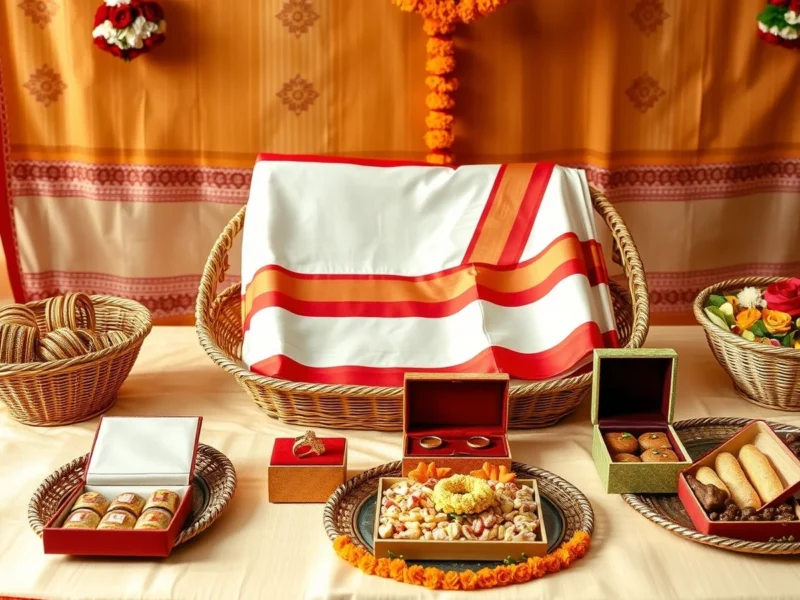
Mameru Ceremony in a Gujarati Wedding: Meaning, the Panetar and What the Mama Brings
Mameru is the Gujarati ceremony in which the bride’s maternal uncle, her mama, and his family bring her gifts a day or two before the wedding. The gifts usually include the panetar, a white silk saree with a red border, along with the chudo bangles, jewellery, sweets, dry fruit and clothes for the family. The […]
Read article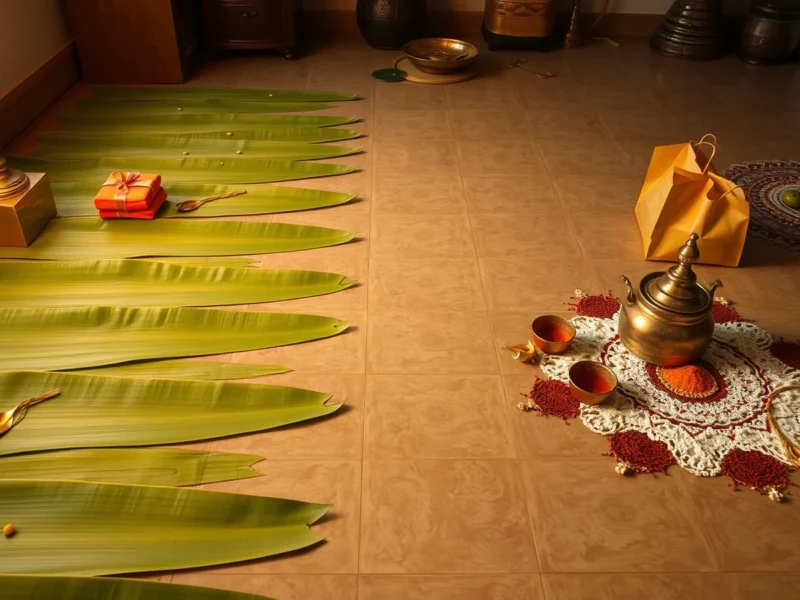
Sumangali Prarthanai Before a Tamil Brahmin Wedding: Meaning, Items and Planning
Sumangali prarthanai is a prayer held at home a few days before a Tamil Brahmin wedding. The family asks the blessing of its departed sumangalis, the women of the family who died while their husbands were living. An odd number of married women, usually five, seven or nine, are invited with a young girl to […]
Read article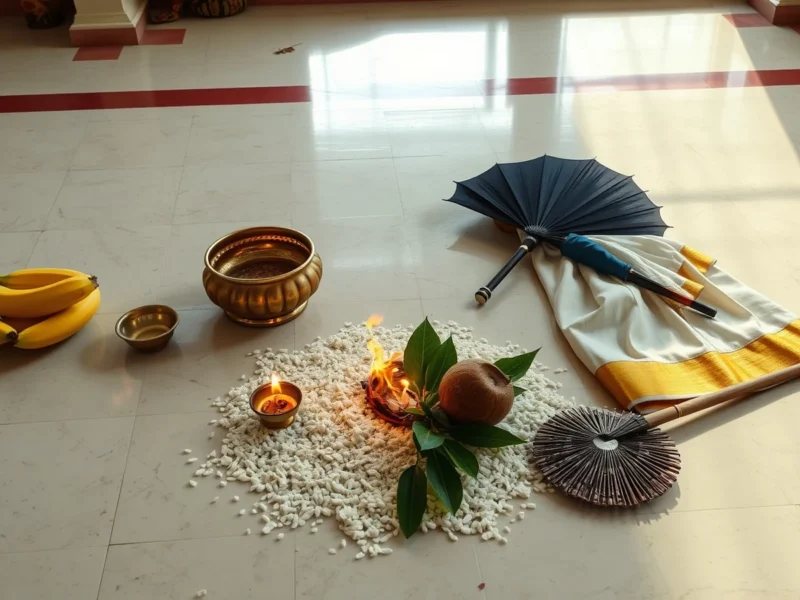
Snathakam: The Telugu Groom’s Ritual Before Kasi Yatra, Meaning and Steps
Snathakam is the Telugu groom’s ritual on the wedding morning. It marks the end of his life as a student and his readiness to marry. It descends from the Vedic samavartana, the ritual bath of a student returning home. A priest performs a short puja, and in many families the groom receives the extra strands […]
Read article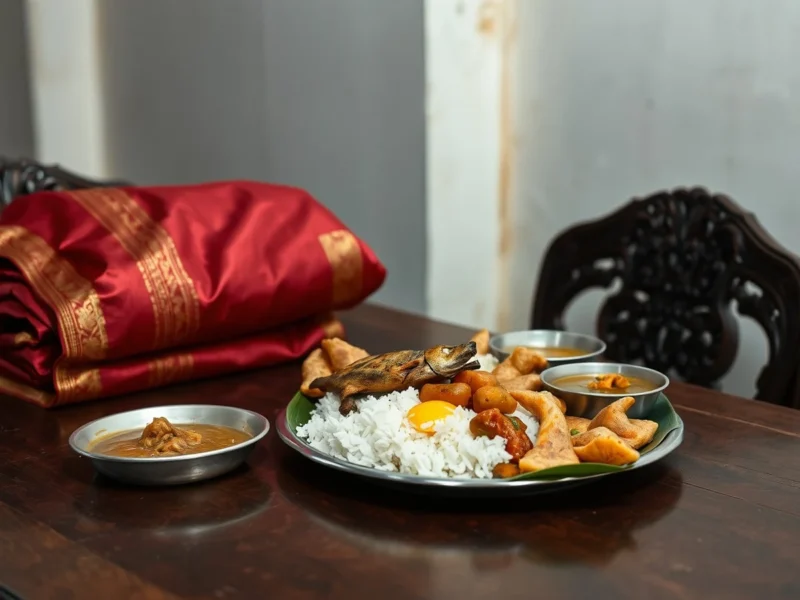
Bou Bhaat: The Bengali Post-Wedding Ceremony and Reception, Explained
Bou bhaat, the bride’s rice, is the Bengali ceremony held at the groom’s home, usually two days after the wedding, after the night of kalratri. The groom gives the bride a plate of rice and a saree, the bhaat-kapor, promising to provide for her. She serves rice to his family for the first time. The […]
Read article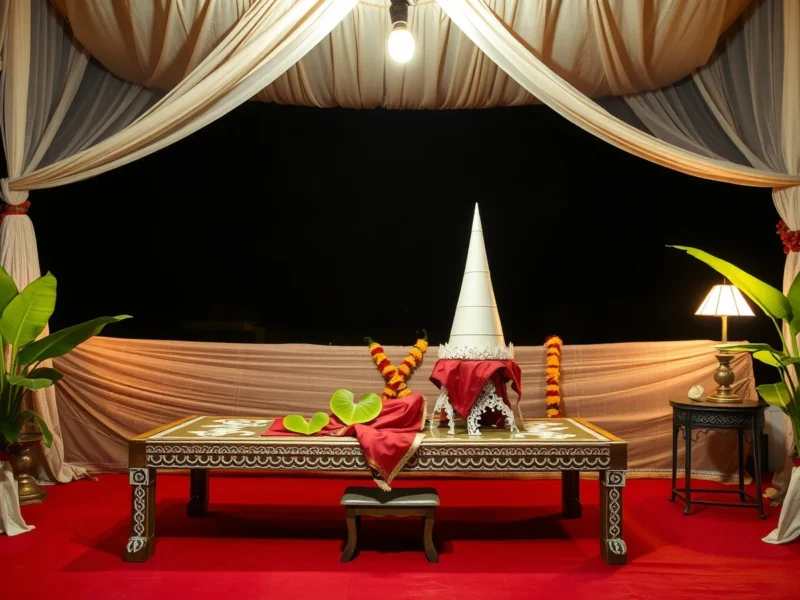
Shubho Drishti: The First Look in a Bengali Wedding, Saat Paak and Mala Badal
Shubho drishti, the auspicious first look, is the moment in a Bengali wedding when the bride first looks at the groom. Her brothers carry her on a low wooden seat, the pidi, with her face hidden behind betel leaves. They circle the groom seven times, the saat paak, before she lowers the leaves. Then the […]
Read article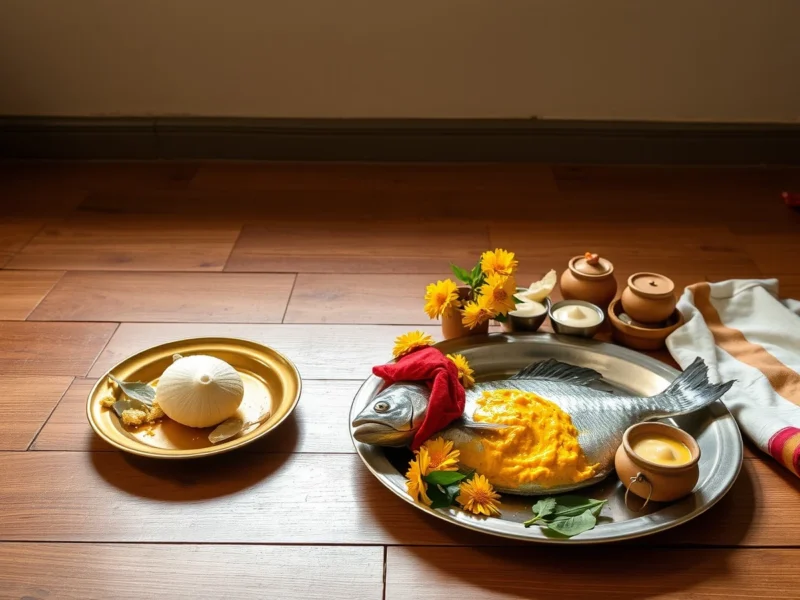
Gaye Holud: The Bengali Turmeric Ceremony, the Tattva and How It Is Planned
Gaye holud is the Bengali turmeric ceremony, held on the morning of a Hindu Bengali wedding. The groom is anointed first at his home. The rest of his turmeric is then sent to the bride’s house with the tattva: gifts that usually include a saree, sweets and a decorated rui fish. The bride is anointed […]
Read article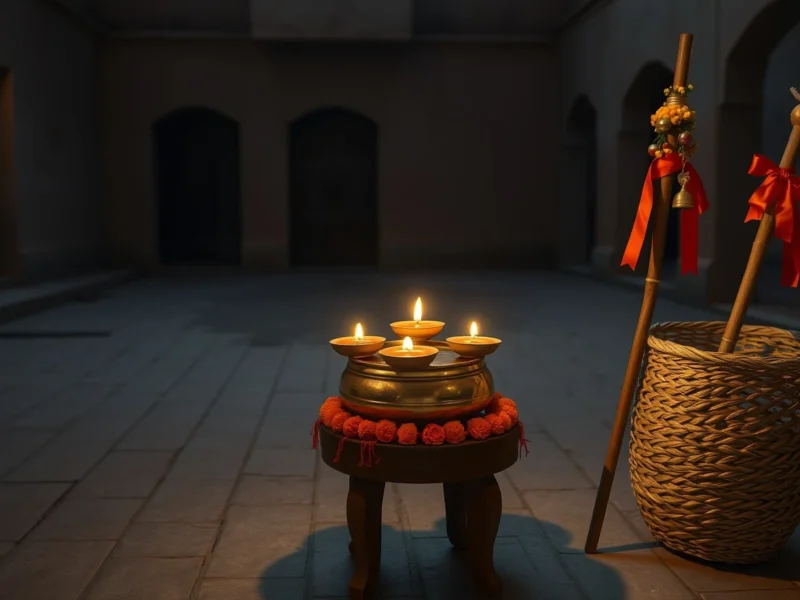
Jaggo Ceremony in a Punjabi Wedding: Meaning, the Gaagar, Boliyan and Planning
Jaggo is a Punjabi pre-wedding night, held the night before the wedding. It is led by the maternal side of the family, the nanke. A woman of the family, usually the mami, carries a decorated brass or copper pot lit with oil lamps on her head through the neighbourhood. Relatives follow, singing boliyan and dancing […]
Read article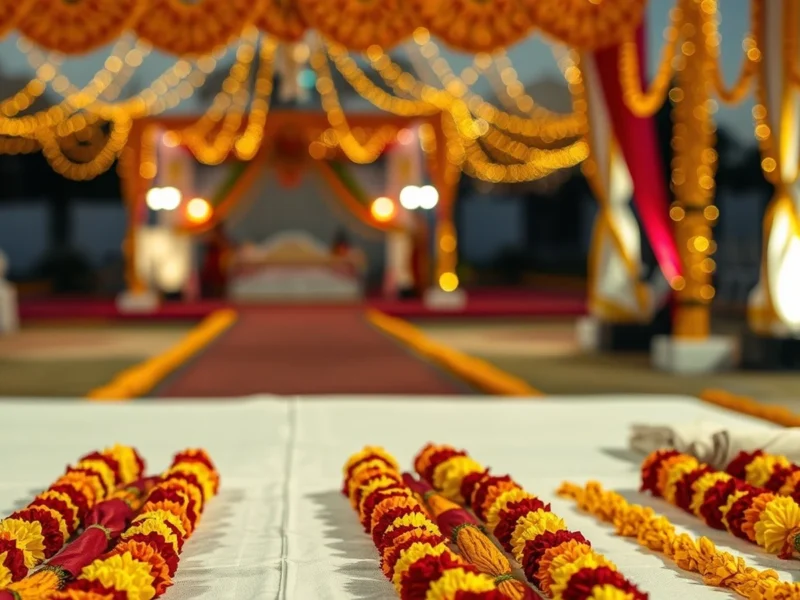
Milni Ceremony in a Punjabi Wedding: Meaning, Order of Pairs, Gifts and Planning
The milni is the formal meeting of the two families when the baraat arrives at a Punjabi wedding. Relatives of the same standing meet in pairs, the two fathers first, then the maternal uncles, the paternal uncles and the brothers. They exchange garlands, embrace and give a gift. In Sikh families it opens with an […]
Read article