Mangalorean Catholic Wedding Traditions: Roce, the Saado, Rituals and Reception
- Who the Mangalorean Catholics are
- The church requirements
- The roce
- Other customs before the wedding
- The wedding Mass
- The saado
- The reception
- The food
- When to marry, and the weather
- Guests, travel and rooms
- What the bride and groom wear
- Decor and photography
- Weddings in Bengaluru, Mumbai and the Gulf
- Questions to ask the parish and the hall
- Combining with another community
- Planning timeline
- Frequently Asked Questions
- Sources and further reading
Mangalorean Catholic weddings belong to the Konkani-speaking Catholic community of coastal Karnataka. The day before the wedding, the roce is held at each home, with the bride and groom anointed with coconut milk and oil. The wedding itself is a nuptial Mass. In many families the bride then changes into the saado, a red saree from the groom’s family. The reception follows with a band and a feast of pork, chicken and sannas.
Who the Mangalorean Catholics are
Mangalorean Catholics are the Konkani-speaking Catholic community of the Dakshina Kannada and Udupi coast of Karnataka, centred on Mangaluru. Their roots go back to Konkani Catholic families who moved south from Goa over several centuries, and the community has a strong identity of its own, with its own Konkani dialect, cuisine, songs and wedding customs. Large communities also live in Mumbai, Bengaluru and the Gulf.
Mangalorean Catholic weddings share much with Goan Catholic ones, including the roce, but they have their own sequence and their own customs, and families take great pride in doing them properly. Our Goan Catholic wedding traditions guide covers the Goan side, and our Christian wedding traditions guide the wider picture.
Customs vary from parish to parish and family to family, and the elders and the parish priest are the authority. This guide describes the pattern most families follow.
The church requirements
A Catholic wedding is a sacrament, and the parish has requirements that start months before the wedding.
- Meeting the parish priest to fix the date and the church.
- Baptism and confirmation certificates from the parishes where each party was baptised.
- A marriage preparation course, which most parishes require.
- Banns, announced in the parishes of both parties.
- Permission from the home parish if the wedding is in another parish.
- Church permissions for a mixed marriage, if one party is not Catholic.
Christian marriages in India are governed by the Indian Christian Marriage Act, 1872, and a Catholic church wedding by a licensed priest is recorded in the church’s marriage register. The parish issues the marriage certificate. Couples who need the marriage registered with the state, for example for a visa or a passport, should read our Christian marriage registration guide.
The roce
The roce is the centrepiece of a Mangalorean Catholic wedding’s family rituals. It is held the day before the wedding, separately at the bride’s home and at the groom’s. The bride or groom sits on a low stool, and family members, starting with the parents and the elders, anoint them with coconut milk and oil, usually by dipping betel leaves or their fingers into the mixture and applying it to the head and face. Many families also mark the forehead with a cross.
The roce is accompanied by vovio, the traditional Konkani songs sung by the women, which bless the bride or groom and tease them about married life. The rest of the family, especially the young people, then join in, and the roce often turns into a coconut-milk free-for-all. Afterwards the bride or groom bathes, and by custom does not leave the house before the wedding.
The roce evening continues with a family party, with food, drink and music. It is often the most relaxed and joyful event of the wedding for the family.
Other customs before the wedding
- Inviting the relatives. Older families deliver invitations in person, and the senior relatives expect it.
- The vojem. In some families the gifts for the bride are carried to her home in a small procession.
- Mass for the departed. Many families have a Mass said for the family’s departed members before the wedding, asking their blessing.
Which of these a family keeps varies a great deal, and some are less common in city weddings than in village ones.
The wedding Mass
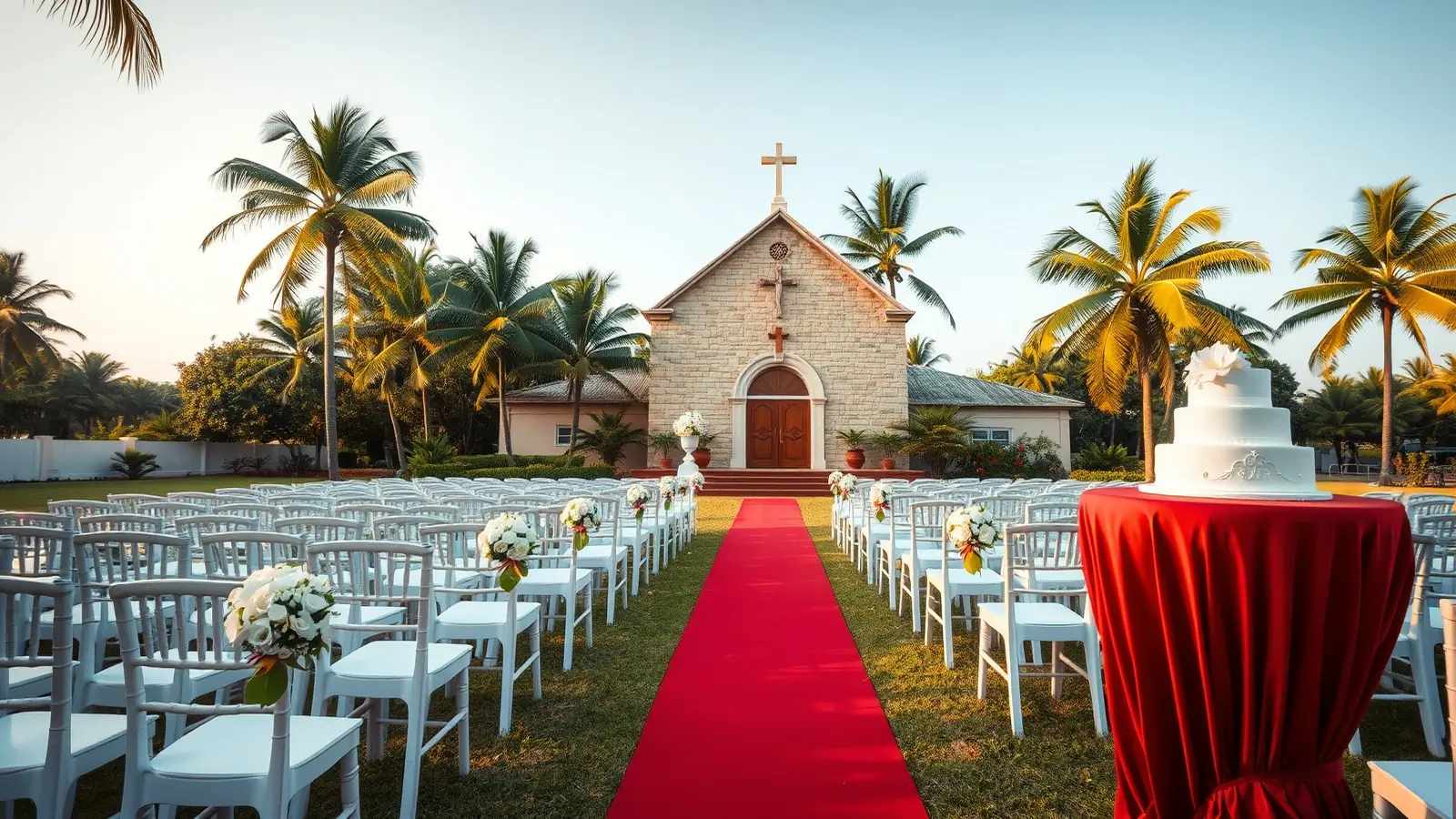
The wedding is a nuptial Mass in the church, with the exchange of vows and rings and the blessing of the couple. Many Mangalorean Catholic brides wear a white saree or a white gown and veil for the church, and the groom wears a suit. The church choir sings, often in Konkani, and the hymns are agreed with the parish in advance.
Photography in the church is governed by the parish, and many churches restrict movement during the Mass. Ask the parish office for the rules and brief the photographer before the day.
The saado
In many Mangalorean Catholic families, the bride changes after the church ceremony into the saado, a red saree given by the groom’s family, often with gold jewellery from them as well. The saado is the sign that she now belongs to her husband’s family, and she wears it at the reception or for part of it. Some families give it at a small ritual before the reception; in others the bride simply arrives at the reception wearing it.
The saado is the Mangalorean counterpart of customs found in many Indian communities, where the groom’s family’s saree marks the bride’s entry into their home. If the bride wants to wear a gown for the reception, discuss with both families how the saado will be included, because the groom’s family will have bought it with care.
The reception
A Mangalorean Catholic reception follows a familiar pattern: the couple’s entrance, the toast, the cutting of the cake, the first dance, and then dancing for everyone to a live band playing Konkani and English songs. The Konkani wedding songs and the band are central, and good bands from Mangaluru are booked months ahead in the season.
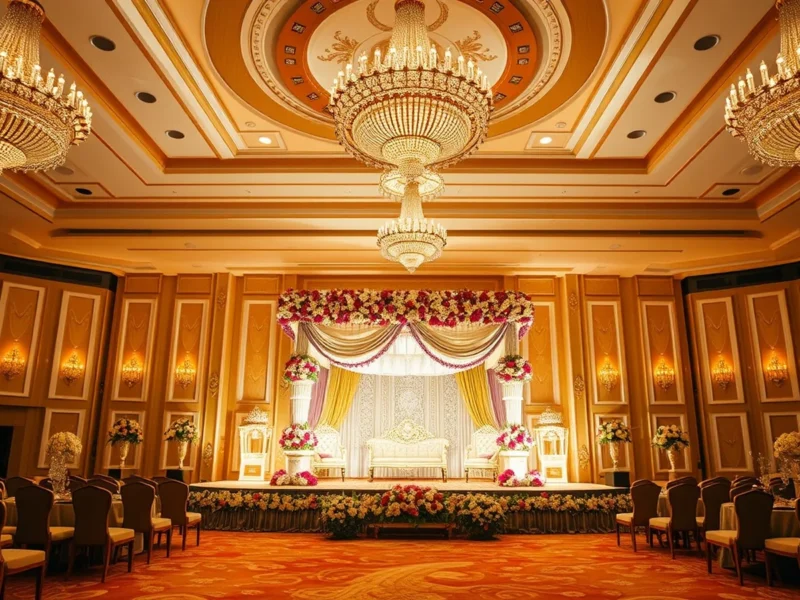
Receptions are often held in parish halls, many of which in Mangaluru and Udupi are large and well equipped for weddings, as well as in banquet halls, convention centres and hotels. A parish hall reception is close to the church and economical; a hotel reception suits a family with many travelling guests.
The food
The Mangalorean Catholic wedding feast is famous. It usually includes pork bafat, a spiced pork curry, sorpotel, chicken sukka, fish curry or fried fish, sannas, the soft steamed rice cakes, pulao, and a range of vegetable dishes, with a wedding cake and Mangalorean sweets. Many families also serve a sweet coconut dish or kuswar items. The bar is part of the reception, as at Goan weddings.
Caterers who specialise in Mangalorean Catholic food are in demand, and the best are booked early for the season. For a wedding outside Mangaluru, check that the caterer can make sannas and bafat properly, because the family will notice.
When to marry, and the weather
The Mangaluru coast has a heavy monsoon from June to September, and most families avoid it for weddings. The main season runs from October to May, with the cooler months from November to February the most popular. Church dates during Lent are usually restricted, so check the church calendar before fixing a date in March or April.
Guests, travel and rooms
Many Mangalorean Catholic families live in Mumbai, Bengaluru and the Gulf, and a wedding in Mangaluru often means a large number of travelling guests. Mangaluru has an international airport with flights from the Gulf and the major Indian cities, and Udupi is about an hour by road. Book a room block for the out-of-town relatives early in the season, and plan transport between the hotels, the church and the reception venue. Our outstation guest planning guide covers how to organise it.
What the bride and groom wear
For the church, Mangalorean Catholic brides usually wear a white saree or a white gown and veil, and the groom a suit. After the church the bride changes into the saado for the reception, often with gold jewellery from the groom’s family. Some brides change again later in the evening into something easier to dance in. The groom usually stays in his suit, though some grooms change into a sherwani or a lighter jacket for the reception.
For the roce, both the bride and the groom wear simple white clothes that can be ruined, and so does everyone who comes close.
Decor and photography
Parish halls in Mangaluru are large and plain, so the decor does most of the work: a stage for the couple, a dance floor in front of the band, the cake table, flowers and lighting. Hotels need less decor but cost more per guest. In the church, the parish usually decides what flowers are allowed and where.
The photographs families want most are the roce, especially the elders anointing the bride or groom, the bride’s arrival at the church, the vows, the bride in the saado, the toast and the dancing. Ask the photographer to cover the roce at both homes if they can, because it happens at the same time in two places; a second photographer is often worth it.
Weddings in Bengaluru, Mumbai and the Gulf
Many Mangalorean Catholic families now hold the wedding where they live, in Bengaluru or Mumbai, both of which have large Konkani Catholic communities, active parishes and caterers who can cook the community’s food. The roce is still held at home, and the reception moves to a banquet hall or a hotel. Families in the Gulf often bring the wedding home to Mangaluru in the winter, combining it with a family visit, which makes the travel and room planning the biggest task. Whichever city you choose, the parish requirements are the same, so start them early.
Questions to ask the parish and the hall
- Which dates are free, and are there restrictions during Lent?
- Which marriage course is accepted, and when does it run?
- Which certificates are needed from the parishes of baptism?
- Does the parish hall have its own caterer, or can you bring your own?
- What time must the band stop, and is the bar allowed in the hall?
- How many guests does the hall seat for dinner with a dance floor?
Combining with another community
When a Mangalorean Catholic marries outside the community, the roce and the reception customs are usually kept, and the church requirements depend on whether the other party is Catholic. Many families hold a church wedding and a second ceremony for the other family’s traditions. The coast’s other communities, including the Tulu and Bunt communities, share the region’s food and much of its music, which makes joint celebrations natural.
Planning timeline
| When | What |
|---|---|
| 9 to 12 months before | Meet the parish priest; book the church and the hall |
| 6 months before | Book the band and the caterer; book the marriage course |
| 3 months before | Gather certificates; banns; invitations |
| 1 month before | Buy the saado and the roce items; confirm the menu |
| Day before | The roce at each home |
| Wedding day | Nuptial Mass and reception |
Frequently Asked Questions
What is the roce in a Mangalorean Catholic wedding?
The roce is held the day before the wedding at the bride’s and the groom’s homes. Family members anoint the bride or groom with coconut milk and oil while singing traditional Konkani songs.
What is the saado?
The saado is a red saree given by the groom’s family, which in many Mangalorean Catholic families the bride wears after the church ceremony, at the reception.
What food is served at a Mangalorean Catholic wedding?
Usually pork bafat, sorpotel, chicken sukka, fish, sannas and pulao, with a wedding cake and Mangalorean sweets.
Where are Mangalorean Catholic receptions held?
Often in parish halls, many of which in Mangaluru and Udupi are large, as well as banquet halls, convention centres and hotels.
Which law governs a Mangalorean Catholic wedding?
The Indian Christian Marriage Act, 1872. The parish records the marriage and issues a certificate.
When is the wedding season in Mangaluru?
Mostly October to May, avoiding the monsoon, with November to February the most popular months.
Is the Mangalorean roce the same as the Goan roce?
They share the coconut milk anointing, the day-before timing and the Konkani songs, and both communities trace them to the same Konkani Catholic roots. The songs, the order and the family customs around the roce differ, and each family follows its own elders.
Sources and further reading
Planning a Mangalorean Catholic wedding in Mangaluru, Bengaluru or Mumbai? Tell us your dates and guest count and we will send a tailored plan and quote.
Begin Your Engagement
Want a real number for your wedding?
Tell us your city, guest count and dates. Team Velvet Knot will come back within 24 hours with an itemised budget.