Ladies Sangeet and Dholki: The Traditional Women’s Music Night, Explained
- The sangeet before it was a stage show
- Ladies sangeet, dholki and sangeet: the difference
- The songs
- The dholak, and the spoon
- Giddha and the dancing
- How to host a ladies sangeet at home
- Etiquette at a ladies sangeet
- Keeping the songs alive
- Hosting one abroad
- Combining it with other functions
- What it costs
- Frequently Asked Questions
- Sources and further reading
A ladies sangeet is the traditional women’s music evening before a North Indian wedding: the women of the family gather around a dholak, sing folk songs that tease and bless the bride or groom, and dance giddha. A dholki is the same idea in Punjabi and Muslim families, often several evenings long. Unlike a modern sangeet, it is informal, held at home, and the songs are sung by the family rather than performed to a playlist.
The sangeet before it was a stage show
Today, a sangeet usually means a big evening with a stage, a DJ, choreographed dances and a lighting rig. Our sangeet planning guide covers that version.
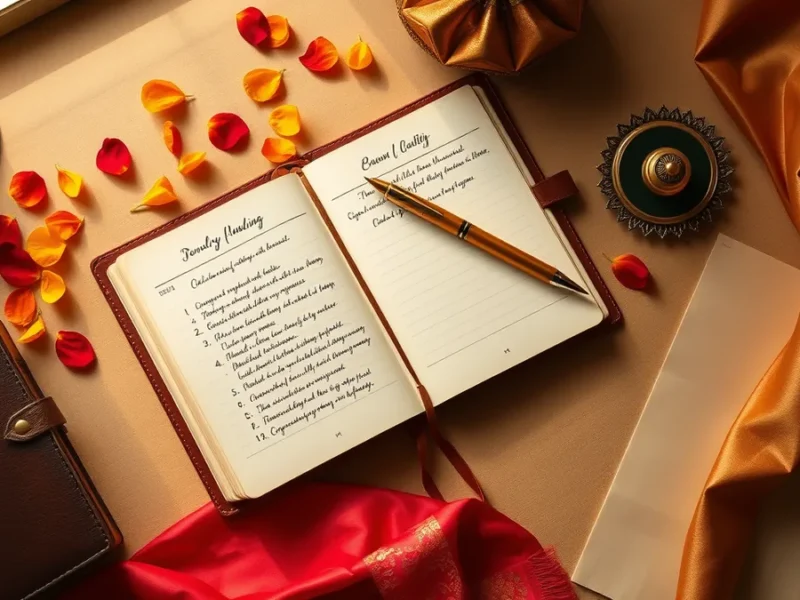
The older form was very different. The ladies sangeet was a women-only gathering, organised by the women of the bride’s or the groom’s family, usually at home, in the days before the wedding. There was no stage and no choreographer. The women sat on a durrie around a dholak, sang the folk songs of their region, teased each other, and danced. It was where the bride’s aunts, cousins and neighbours came together, and where much of the wedding’s real fun happened.
Many families still hold one, either instead of a modern sangeet or as a smaller, earlier evening alongside it.
Ladies sangeet, dholki and sangeet: the difference
| Ladies sangeet | Dholki | Modern sangeet | |
|---|---|---|---|
| Who attends | Women of the family and neighbours | Family and close friends, mostly women | Both families and guests |
| Where | At home | At home, often several evenings | A venue or banquet hall |
| Music | Folk songs, sung live, with the dholak | Folk songs, tappe, the dholak and a spoon | Bollywood, a DJ or live band |
| Dance | Giddha and informal dancing | Informal dancing | Choreographed performances |
| Mood | Intimate, teasing, emotional | Lively, late nights | A show |
The word dholki comes from the dholak, the barrel-shaped hand drum at the centre of the evening. It is the common name in Punjabi families on both sides of the border and in many North Indian Muslim families, where a series of dholki nights can run for a week or more before the wedding. Our guide to Muslim wedding traditions in India covers the wider wedding.
The songs
The folk songs are the heart of the ladies sangeet, and they come in kinds, depending on whose side you are on.
- Suhag songs are sung on the bride’s side. They are tender and often sad: the bride sings, or her family sings for her, about her parents’ home and the happy days of her childhood that she is about to leave.
- Ghodi songs are sung on the groom’s side. They celebrate the groom and the mare he will ride to the wedding, and bless him.
- Teasing songs, called sithniyan in Punjabi, poke fun at the other family: the groom’s looks, his mother’s cooking, his relatives’ stinginess. They are part of the fun, and nobody is supposed to take offence.
- Boliyan are short, witty couplets, sung one after another, often to the beat of giddha. Each woman adds a line, and the others repeat or answer.
- Tappe are short, playful couplets sung in call and response, common at dholki nights.
Every family has its own favourites, usually passed down from grandmothers. If you want to keep them, ask the older women to sing and record them. That recording often becomes one of the most treasured things from the wedding.
Many families now mix in Bollywood songs as the evening goes on. Our sangeet songs list and our haldi and mehndi songs have ideas.
The dholak, and the spoon
The dholak is a two-headed barrel drum played with the hands, one head deeper than the other. At a dholki, one woman plays the drum, and often a second woman sits on the other side and strikes the wooden body with a steel spoon, which keeps the rhythm loud and steady. If nobody in the family plays, a local dholak player can be hired for the evening. Ask around: in many cities, there are women dholak players who specialise in wedding songs and know all of them.
Giddha and the dancing
Giddha is the Punjabi folk dance of women, and it is at its best at a ladies sangeet. The women form a circle and clap a rhythm; one or two step into the centre and dance, acting out the words of a boli, then step back for the next. It is less about steps than about wit and energy. In other regions, the dancing is simply informal: the aunts take the floor one by one, and the cousins pull the bride in.
How to host a ladies sangeet at home
- Choose the evening. One to five days before the wedding, before the bigger functions. Some families hold several, one per evening.
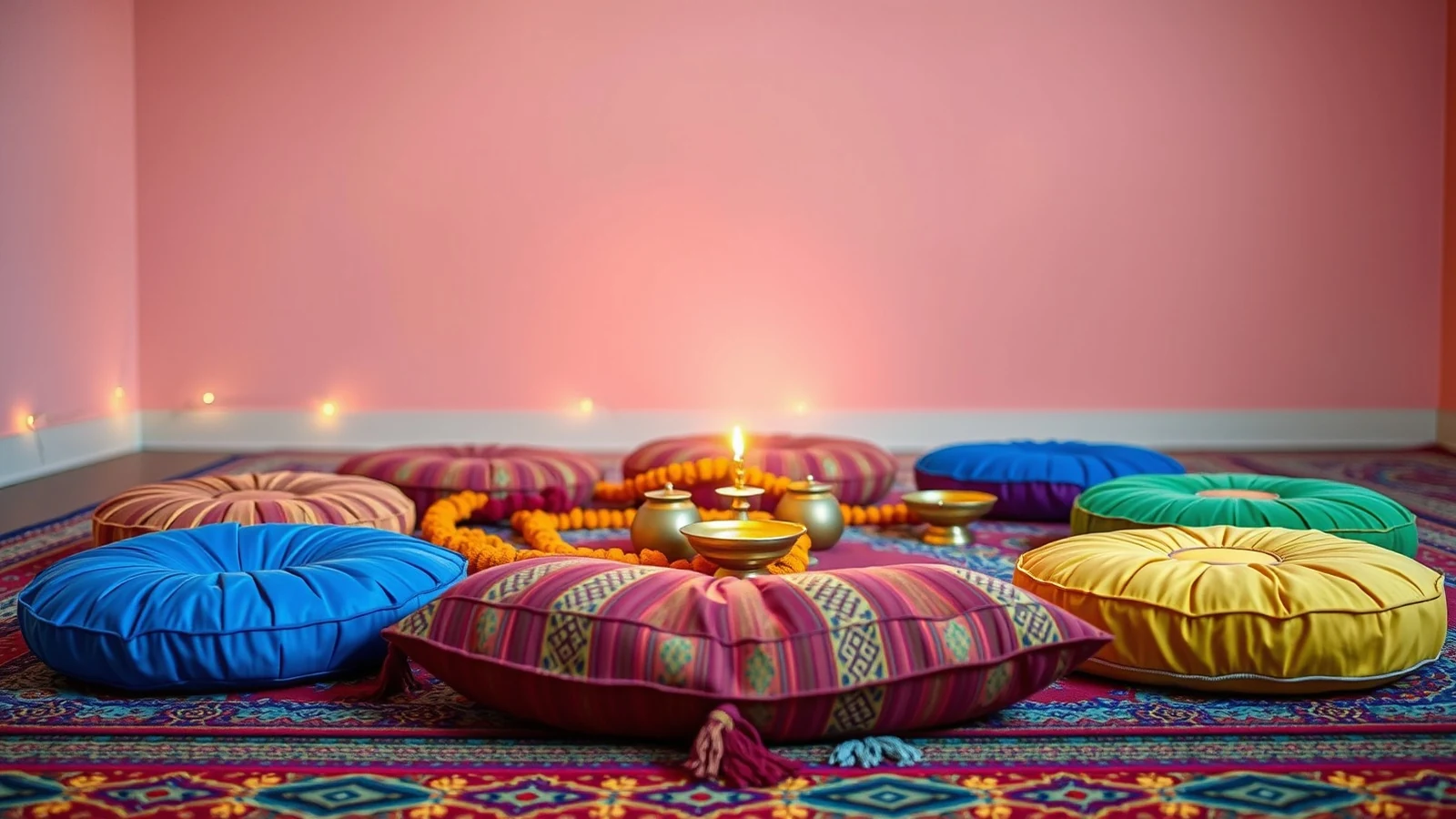
- Clear a room or terrace. Lay durries and bolsters on the floor, and keep a few chairs for the elders.
- Find the dholak. Borrow one, or hire a dholak player.
- Write out the songs. Print or share the words of the family’s songs so that the younger women can join in. Ask the elders which ones matter.
- Keep the food simple. Chai, pakoras, samosas, mathri and sweets, then dinner. Our wedding menu ideas have more.
- Dress the bride or groom in something bright and comfortable. They will be pulled into the dancing.
- Light it warmly. Fairy lights and marigolds are enough.
- Plan a games break. Antakshari, a quiz about the couple, or a dance-off between the two families.
Etiquette at a ladies sangeet
- Keep the teasing kind. Teasing songs about the other family are tradition, but a line that hits a real sore point, such as a family’s money or a past broken engagement, can hurt for years. The elders usually know where the line is.
- Include everyone. Older relatives, widowed aunts and women from the groom’s side, if they are invited, should be drawn into the circle, not left on the chairs.
- Let the bride be emotional. Suhag songs often make the bride and her mother cry. That is part of it.
- Watch the time. Neighbours in flats may not share the family’s enthusiasm for a dholak at midnight. Many housing societies have noise rules after 10 pm.
Keeping the songs alive
Many families find that the women who know the old songs are getting older, and the younger generation knows only the first lines. The ladies sangeet is the best chance to save them.
- Record the evening, or at least the songs, on a phone placed near the singers.
- Ask the eldest women to write down the words of their favourite songs before the wedding.
- Put together a family songbook, printed or shared, for the next wedding.
Hosting one abroad
NRI families often hold a ladies sangeet in their home city before travelling to India for the wedding, so that friends who cannot travel can join in. It works well in a living room or a community hall. A dholak can be borrowed from a local temple, gurdwara or community group, and the song sheets matter even more when half the guests are learning the songs for the first time.
Combining it with other functions
Many families now fold the ladies sangeet into another evening:
- With the mehendi, so the women sing while the henna is applied. Our mehendi ceremony guide has more.
- With the jaggo, the late-night Punjabi procession of song. See our jaggo guide.
- Before the modern sangeet, as the opening hour, with the family singing folk songs before the DJ starts.
What it costs
Velvet Knot estimates for a home ladies sangeet for 40 to 60 guests in a North Indian city, 2026:
| Item | Rough cost |
|---|---|
| Dholak player for the evening | Rs 3,000 to Rs 10,000 |
| Simple decor: durries, marigolds, fairy lights | Rs 5,000 to Rs 20,000 |
| Snacks and dinner, catered or home-cooked | Rs 15,000 to Rs 60,000 |
| Mehendi artist, if combined | Rs 5,000 to Rs 25,000 |
It is one of the least expensive functions of a wedding, and often the one families remember most.
Frequently Asked Questions
What is a ladies sangeet?
A traditional women’s music evening before a North Indian wedding, held at home, with folk songs, the dholak and dancing.
What is a dholki?
A gathering of family and friends to sing wedding folk songs around a dholak drum, common in Punjabi and Muslim families, often over several evenings.
How is a ladies sangeet different from a sangeet?
A ladies sangeet is informal and at home, with live folk singing by the family. A modern sangeet is a staged evening with choreographed dances and a DJ.
What songs are sung at a ladies sangeet?
Suhag songs on the bride’s side, ghodi songs on the groom’s side, teasing songs about the other family, and boliyan couplets for giddha.
Can men attend a ladies sangeet?
Traditionally it was for women. Many families now welcome the men for the second half of the evening.
When is the ladies sangeet held?
Usually one to five days before the wedding, often in the evening.
Sources and further reading
Planning a wedding with a full set of family functions? Tell us about your wedding.
Next step
Turn your plans into a budget
A realistic budget range in two minutes, then an itemised quote from our team within 24 hours.
Begin Your Engagement
Want a real number for your wedding?
Tell us your city, guest count and dates. Team Velvet Knot will come back within 24 hours with an itemised budget.