The Velvet Knot Journal
Wedding planning,
demystified.
Honest guides on cost, timelines, traditions, and what really happens behind a well-planned Indian wedding.
Marriage Dates January 2027: Shubh Vivah Muhurat Days from Makar Sankranti
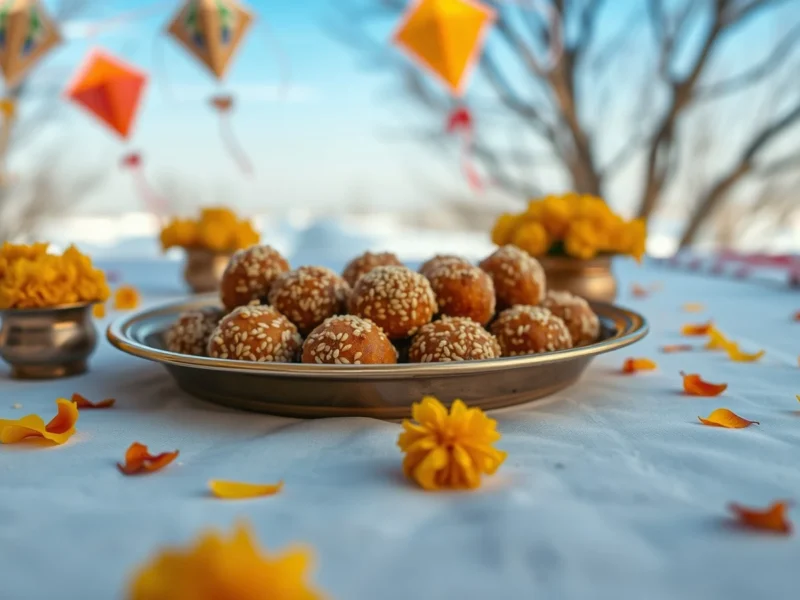
January 2027 has nine auspicious Hindu marriage dates by the Drik Panchang calendar for New Delhi: 15, 18, 19, 20, 24, 26, 27, 30 and 31 January. The season reopens on Makar Sankranti, 15 January, after the Kharmas pause. The weekend options are Friday 15, Sunday 24, Saturday night 30 and Sunday 31 January. Your […]
Read article
Marriage Dates December 2026: Seven Shubh Days Before Kharmas, with Timings
December 2026 has seven auspicious Hindu marriage dates by the Drik Panchang calendar for New Delhi: 2, 3, 4, 5, 6, 11 and 12 December. After 12 December the calendar enters Kharmas, the solar month when weddings pause, and the next date is 15 January 2027. Saturdays 5 and 12 December are the strongest weekend […]
Read article
Marriage Dates November 2026: Only Four Shubh Vivah Muhurat Days, and What That Means
November 2026 has only four auspicious Hindu marriage dates by the Drik Panchang calendar for New Delhi: 21, 24, 25 and 26 November. The season reopens only after Prabodhini (Devuthani) Ekadashi on 20 November. Saturday 21 November is the one weekend date, which makes it one of the most heavily booked days of the year. […]
Read article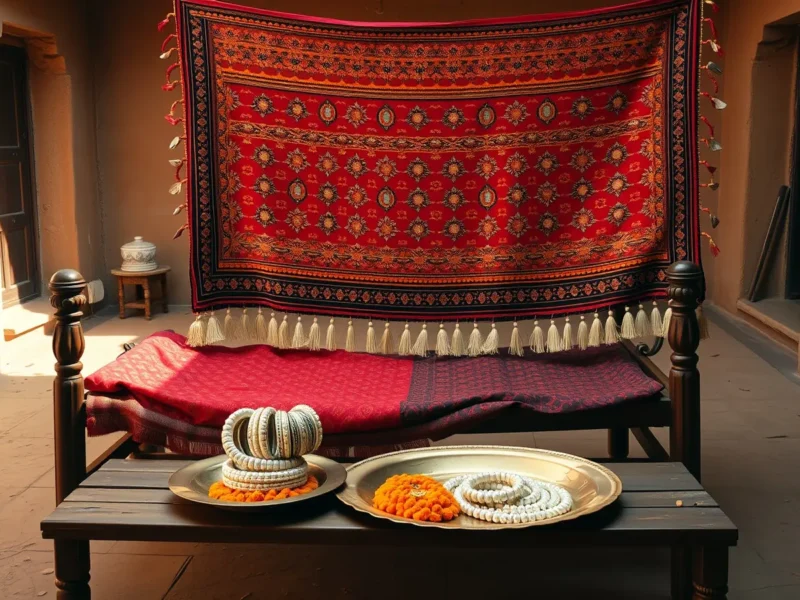
Banjara Wedding Traditions: Lambadi Weddings, Mirror-Work Dress, Songs and the Tanda
Banjara weddings, also called Lambadi or Lambani weddings, belong to a community of former caravan traders who now live in tandas, their settlements, across Telangana, Andhra Pradesh, Karnataka, Maharashtra and beyond. They are community events, guided by the naik, the tanda’s headman, and carried by songs in Gor Boli, the Banjara language. The bride wears […]
Read article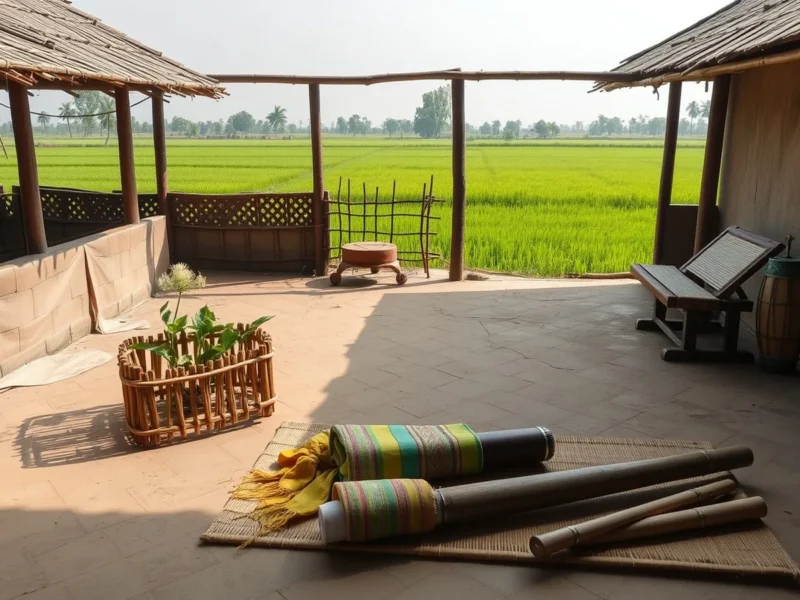
Bodo Wedding Traditions: Bathou and Brahma Rites, the Dokhona and the Bagurumba
Bodo weddings in Assam follow one of three traditions. Bathou weddings are conducted before the sijou plant altar of Bwrai Bathou. Brahma weddings centre on a fire rite, and church weddings serve Christian Bodos. Around the ceremony, the bride wears the dokhona, the woven wrap of Bodo women, and the aronai scarf is given as […]
Read article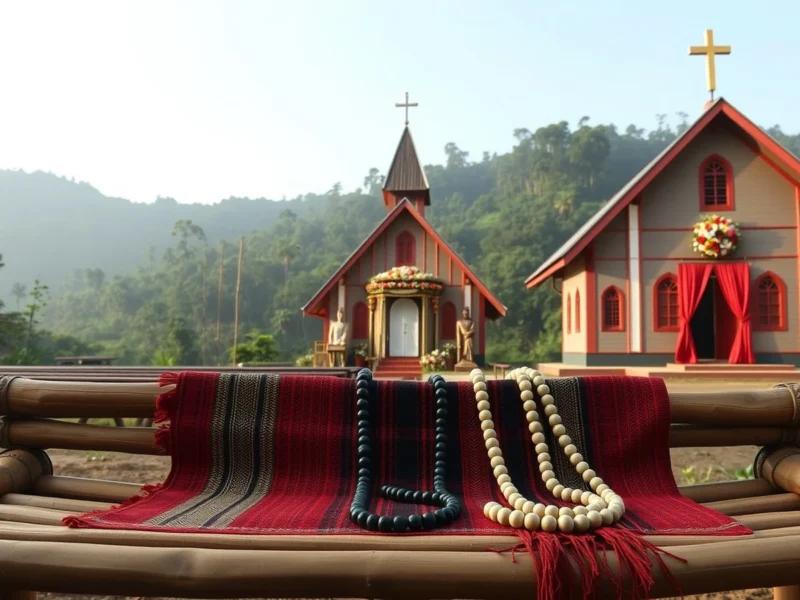
Garo Wedding Traditions: Matrilineal Customs, the Nokna, Church Weddings and Tura
The Garo, or A’chik, of Meghalaya are matrilineal: children take their mother’s clan, and one daughter, the nokna, inherits the family home. Her husband, the nokrom, comes to live there and to care for her parents. Marriages are arranged by the families, and the maternal uncles have a central voice. Today most Garos are Christian […]
Read article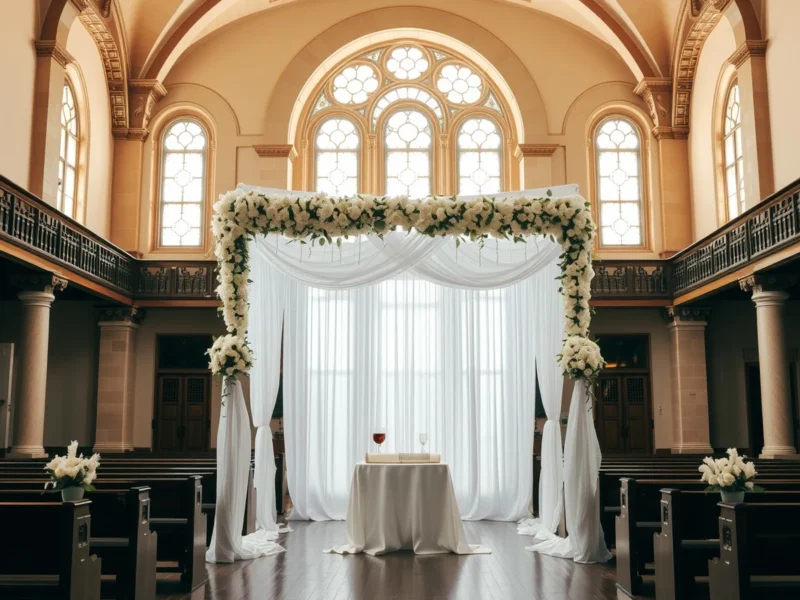
Indian Jewish Wedding Traditions: Bene Israel, Cochin and Baghdadi Weddings
India has three historic Jewish communities: the Bene Israel of the Konkan coast and Mumbai, the Cochin Jews of Kerala and the Baghdadi Jews of Mumbai and Kolkata. Their weddings keep the universal Jewish elements: the ketubah marriage contract, the chuppah canopy, the seven blessings and the breaking of the glass. Around them sit Indian […]
Read article
Anglo-Indian Wedding Traditions: The Church, the Cake, the Ball and the Food
Anglo-Indian weddings belong to a community with both European and Indian ancestry, defined in Article 366(2) of the Constitution. They are church weddings, Catholic or Protestant, usually with a white gown. A reception follows with a toast, a rich fruit wedding cake and a ball: an evening of ballroom dancing to a live band. The […]
Read article
Tamil Christian Wedding Traditions: Parisam, the Thali, the Church Service and the Feast
Tamil Christian weddings join a church service with Tamil family custom. Most are held in the Church of South India or the Catholic Church. Many families hold a parisam, the betrothal at which gifts are exchanged. At the service, in many churches, the groom ties the thali, often bearing a cross, around the bride’s neck. […]
Read article
Sikkimese Wedding Traditions: Bhutia and Lepcha Weddings, and Marrying in Sikkim
Sikkim’s weddings belong to its three main communities: the Bhutia, the Lepcha and the Nepali. Bhutia weddings are Buddhist, with lamas fixing the dates, white khada scarves offered to the couple and chhaang, millet beer, served to guests. Lepcha weddings keep the customs of Sikkim’s oldest people, with their own ritual specialists. Couples from outside […]
Read article