Sri Lankan Wedding Traditions: From the Nekath to the Homecoming
- A tradition older than the religion around it
- Before the wedding
- The bride and groom’s dress
- The procession
- The poruwa ceremony
- The oil lamp
- Milk rice
- The registration
- The wedding feast
- The going away
- The homecoming
- Tamil Hindu weddings
- Muslim weddings
- Christian weddings
- Traditions in a modern wedding
- Frequently Asked Questions
- Sources and further reading
A traditional Sri Lankan wedding follows a sequence: an astrologer fixes the nekath, families invite elders with betel leaves, the bride wears the Kandyan osariya, drummers and dancers lead the couple to the poruwa, where the gold thread, the water and the Jayamangala Gatha bless the marriage, followed by the registration, the wedding feast, the going away and, days later, the homecoming at the groom’s family home. Tamil, Muslim and Christian weddings each add their own rites.
A tradition older than the religion around it
The Sinhala wedding as most people know it today centres on the poruwa ceremony, and that ceremony appears to predate the arrival of Buddhism in Sri Lanka in the third century BC. For centuries it was itself a valid marriage, until British law introduced marriage registration in 1870. Today’s ceremony blends customs from the up-country Kandyan region and the low-country coast, and every family adds its own touches. What follows is the common thread, from the first decision to the last visit.
Before the wedding
The horoscopes and the nekath
For many Sinhala Buddhist and Hindu families, the astrologer comes before the hall. The couple’s horoscopes are read to confirm the match, and the astrologer then sets the nekath: the auspicious times for the key moments of the day, such as leaving the house, stepping onto the poruwa and lighting the lamp. These times are printed on the wedding card and the whole day is planned around them. Our wedding planning checklist for Sri Lanka starts here for that reason.
Inviting with betel leaves
The closest relatives and elders are not simply sent a card. The parents visit them in person and offer a sheaf of betel leaves with the invitation, a mark of respect that asks them to attend. Our guide to wedding card designs in Sri Lanka covers the cards themselves.
Preparing the house
In many families the days before the wedding are spent preparing both homes: cleaning, decorating the entrance, cooking sweets, and readying the room where the bride will dress. Neighbours and relatives come to help, and the preparations are part of the celebration.
The bride and groom’s dress
The Kandyan bride
The most recognisable Sri Lankan bridal look is the osariya, the Kandyan dress, which is considered the country’s national dress. It is a form of saree with a frill at the waist, a full blouse that covers the midriff, and puffed sleeves. For a wedding it is made in white or ivory silk with rich gold detail and worn with a full set of traditional jewellery, layered necklaces, a headpiece and many bangles. Low-country brides may wear a different saree drape, and many brides change into a coloured saree for the going away.
The groom
A groom at a traditional Kandyan wedding wears the elaborate costume associated with the old Kandyan chiefs, with a jacket, a wide waist cloth and a distinctive hat. Many grooms now choose a suit or a national dress outfit instead, especially at a hotel wedding.
The procession
The couple are led to the poruwa by the beat of the magul bera, the wedding drums, often with dancers in the Kandyan tradition, whose costumes and rhythms are among the most striking sights of a Sri Lankan wedding. The drums announce that the auspicious moment is near and set the mood for the ceremony.
The poruwa ceremony
The poruwa is a decorated wooden platform. The groom’s family stands on one side and the bride’s on the other, and the couple step up at the nekath, right foot first. A master of ceremonies guides them through a sequence of rites, each with its own meaning:
- Betel leaves offered and returned, and sheaves of betel leaves dropped onto the poruwa, each with a coin.
- The bride’s father placing her right hand on the groom’s, a symbol of handing her into his care.
- The groom placing a gold necklace on the bride.
- The bride’s maternal uncle tying the couple’s little fingers together with a gold thread and pouring water over them, a symbol of unity.
- Six girls chanting the Jayamangala Gatha, a traditional Buddhist blessing.
- The groom giving the bride a white cloth, which she presents to her mother in thanks.
- The couple feeding each other milk rice, and a coconut broken as they step down.
Our full poruwa ceremony guide explains each step, who performs it and what to prepare.
The oil lamp
Lighting the traditional brass oil lamp marks an auspicious beginning at many Sri Lankan ceremonies, and at a wedding the couple and their parents often light it together at a time set by the astrologer. It is one of the moments photographers are told never to miss.
Milk rice
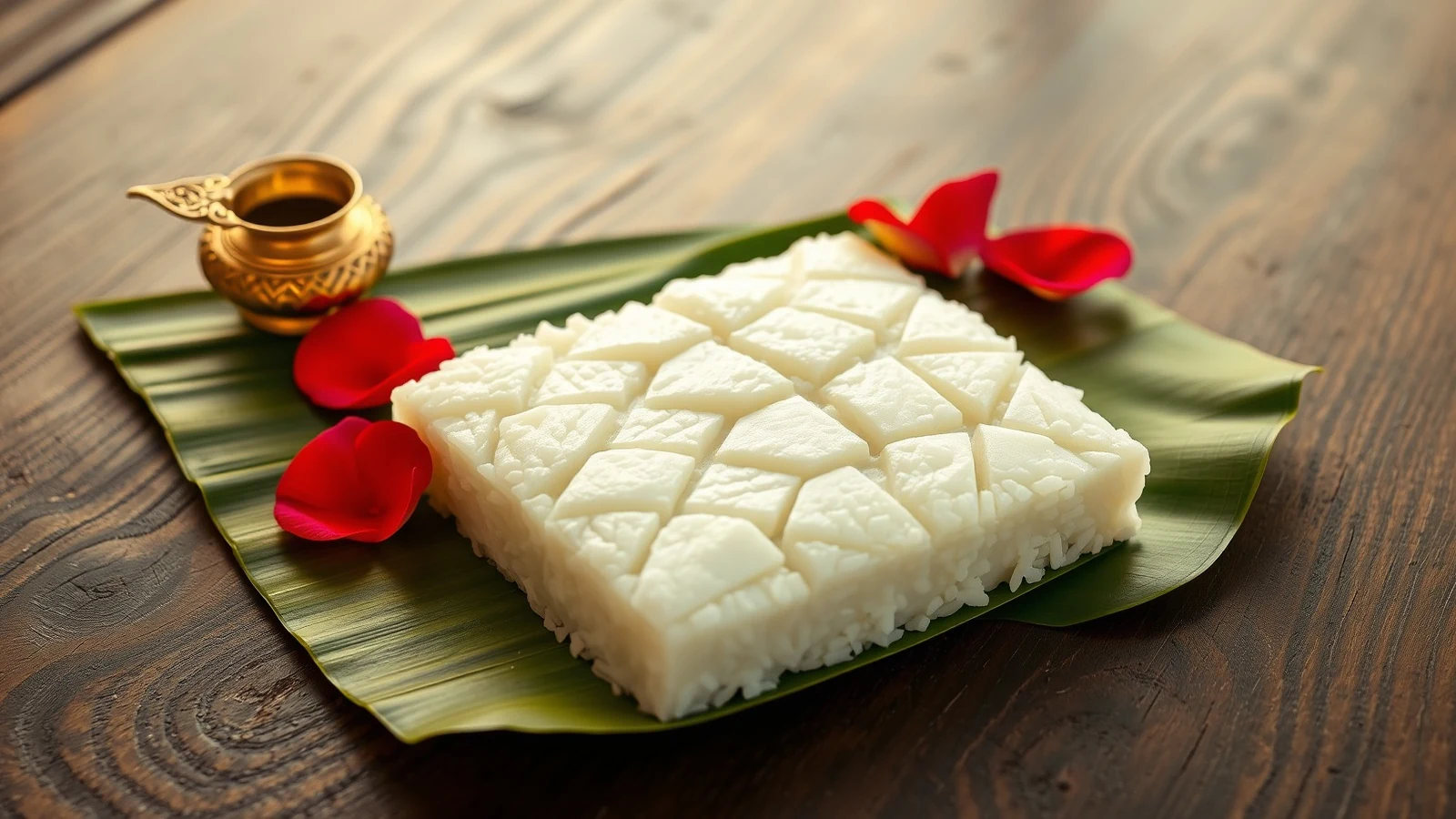
Kiribath, rice cooked in coconut milk, is the food of new beginnings in Sri Lanka. It is the first meal of the Sinhala New Year and the first solid food given to a baby, and at a wedding the groom and the bride feed it to each other. The bride’s mother usually prepares or presents the milk rice for the ceremony.
The registration
Because the poruwa is a cultural rite, the legal marriage is the registration, which is often done at the wedding itself by a registrar, right after the poruwa, in front of the guests. Some couples register on an earlier day instead. Our guide to marriage registration in Sri Lanka explains the notice period and documents.
The wedding feast
After the ceremony comes the meal, traditionally lunch after a morning poruwa: rice and a spread of curries, with sweets such as kavum and kokis, and the boxed pieces of rich cake handed to guests to take home. Hotel weddings today often serve a buffet with Sri Lankan, Asian and Western dishes. Our guide to Sri Lankan wedding cakes covers the cake tradition.
The going away
Later in the day the bride changes into her going-away outfit, often a coloured silk saree, and the couple take their leave of the guests. Traditionally they leave for the groom’s home or for their honeymoon, and the moment is often emotional for the bride’s family, who are saying goodbye as well as celebrating.
The homecoming
A few days after the wedding comes the homecoming, hosted by the groom’s family. It is a second celebration, with its own guests and outfits; the bride often wears a red or other bright saree. Many couples now hold the homecoming at a hotel, and for some families it is as large as the wedding itself.
Tamil Hindu weddings
Sri Lankan Tamil Hindu weddings follow their own rites, led by a priest at the auspicious time, the muhurtham. The key moment is the tying of the thaali, the sacred wedding necklace, by the groom around the bride’s neck, with rituals around a sacred fire and the blessings of elders. Brides wear richly coloured silk sarees, and the decoration features banana plants, coconut flower and brass lamps.
Muslim weddings
For Sri Lankan Muslim families the marriage is the nikah, the religious contract, often held at a mosque or at home, followed by the walima, the wedding feast hosted by the groom’s family. Celebrations vary between communities, but the nikah and the walima are central.
Christian weddings
Catholic and other Christian couples marry in church, with the wedding service and the vows, and then move to a hotel or hall for the reception. Christian weddings are especially common along the western coast, around Negombo; our guide to wedding venues in Negombo covers church and hotel weddings there. Many Christian Sinhala families also keep cultural customs such as the oil lamp and the milk rice at the reception.
Traditions in a modern wedding
Few couples keep every custom exactly as their grandparents did, and few drop them all. The common pattern today is a hotel wedding with the poruwa, the drummers and the oil lamp at its heart, the registration on the day, a buffet, and a homecoming a few days later. Mixed couples often combine traditions, for example a poruwa and a church service, or a poruwa followed by a Hindu ceremony. Talk early with both families about which customs matter most to them, and build the day around those.
Also on Velvet Knot: the Sri Lankan Tamil wedding.
Also on Velvet Knot: the homecoming ceremony.
Frequently Asked Questions
What is a nekath at a Sri Lankan wedding?
The auspicious times for the key moments of the wedding, set by an astrologer, such as stepping onto the poruwa and lighting the lamp.
What does the bride wear at a Sri Lankan wedding?
Traditionally the osariya, the Kandyan dress, in white or ivory with gold and a full set of traditional jewellery, and a coloured saree for the going away.
Why is a gold thread tied at a Sri Lankan wedding?
The bride’s maternal uncle ties the couple’s little fingers together with a gold thread and pours water over them, a symbol of their unity.
What is the homecoming?
A second celebration hosted by the groom’s family a few days after the wedding.
Is the poruwa ceremony a legal marriage?
No. It was a valid marriage custom until 1870; today the legal marriage is the registration, often done right after the poruwa.
Why are betel leaves used at weddings?
They are a traditional mark of respect, used both to invite elders and in the poruwa ceremony itself.
Sources and further reading
Want a wedding that honours the traditions that matter to your family? Tell us about your wedding and choose Sri Lanka, or read about how we plan in Sri Lanka.
Marrying in Sri Lanka?
Plan it with a team on the ground
Our month-by-month checklist for a Sri Lankan wedding, and how our team plans across the island.
Begin Your Engagement
Want a real number for your wedding?
Tell us your city, guest count and dates. Team Velvet Knot will come back within 24 hours with an itemised budget.