The Poruwa Ceremony: Every Step, Who Does What, and How to Plan It
The poruwa ceremony is the traditional Sinhala wedding ritual, held on a decorated wooden platform called the poruwa at the auspicious time, the nekath. The couple step on right foot first, exchange betel leaves, the bride’s father places her hand in the groom’s, the bride’s maternal uncle ties their little fingers with a gold thread and pours water over them, six girls chant the jayamangala gatha, and a coconut is broken as they step down. Planning it means fixing the nekath, the people and the items well in advance.
What the poruwa is
The poruwa is a raised, decorated platform, traditionally of carved wood, on which a Sinhala couple are married. The ceremony performed on it, the poruwa ceremony, is the heart of a traditional Sinhala Buddhist wedding. It is a family and cultural rite rather than a religious service, and it is timed to the minute by the nekath, the auspicious time set by the family’s astrologer.
Historically the poruwa was not in itself the legal act of marriage. Today most couples register their marriage on the same day, often with the registrar present at the poruwa. Our guide to marriage registration in Sri Lanka explains how.
The ceremony, step by step
- The nekath. Everything is timed to it: when the couple step onto the poruwa, and in many families the lighting of the oil lamp, the registration and the departure.
- Stepping onto the poruwa. The bride and groom step on leading with the right foot first, and greet each other with palms together.
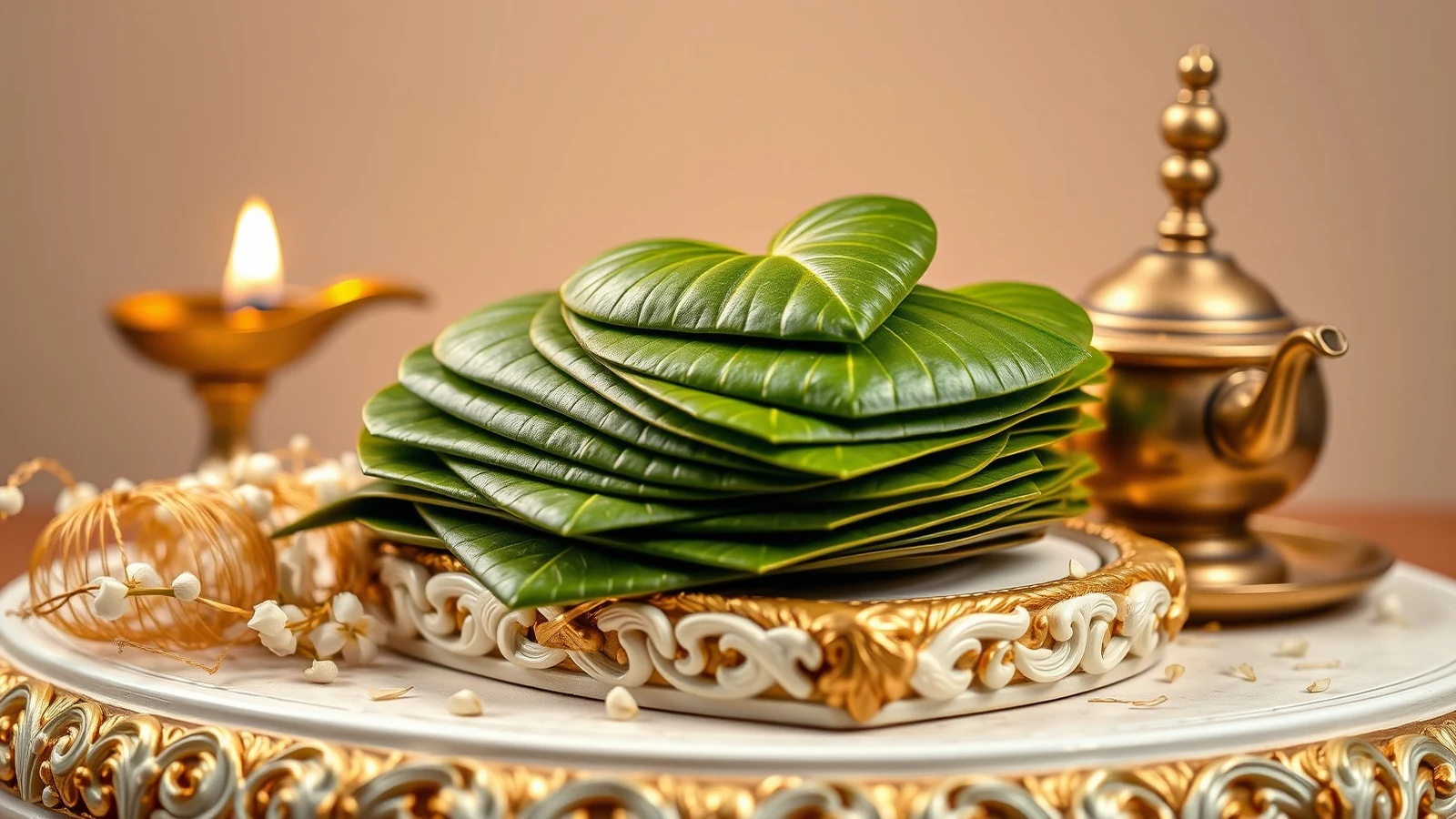
- Betel leaves. The officiant offers betel leaves to the couple, who accept them and hand them back to be placed on the poruwa.
- The handing over. The bride’s father places her right hand on the groom’s.
- The seven sheaves. The groom’s brother brings a tray of seven sheaves of betel leaves, each with a coin. The groom holds the tray while the bride drops one leaf at a time onto the poruwa, and then the groom does the same.
- The necklace. The groom’s brother hands the groom a gold necklace, which he places around the bride’s neck.
- Tying the little fingers. The bride’s maternal uncle ties the little fingers of the bride and groom together with a single gold thread, a symbol of unity, and pours water over them.
- The jayamangala gatha. Six girls chant the jayamangala gatha, traditional Buddhist verses of blessing. In many families the ashtaka, verses composed and recited for the couple, is also recited.
- The white cloth. The groom gives the bride a white cloth, which she presents to her mother as his thanks to her.
- Milk rice. The bride’s mother brings milk rice, and the couple feed each other.
- The coconut. As the couple step down from the poruwa, a member of the groom’s family breaks a fresh coconut.
Who does what
| Person | Role at the poruwa |
|---|---|
| The officiant | Leads the ceremony, offers the betel leaves, keeps to the nekath |
| The bride’s father | Places the bride’s hand in the groom’s |
| The bride’s maternal uncle | Ties the little fingers with the gold thread and pours the water |
| The groom’s brother | Brings the tray of betel sheaves and the necklace |
| Six girls | Chant the jayamangala gatha |
| The bride’s mother | Receives the white cloth, brings the milk rice |
| A member of the groom’s family | Breaks the coconut |
| The registrar | Registers the marriage, if it is done at the wedding |
Families vary in the details, and in who takes each role when someone is not available. Confirm the roles with both families well before the day.
What to prepare
- The poruwa itself, decorated, with steps the bride can manage in her saree.
- Betel leaves, and seven sheaves of betel with a coin in each.
- The gold thread and a vessel of water for the pouring.
- The gold necklace.
- A white cloth for the bride’s mother.
- Milk rice.
- A fresh coconut.
- The oil lamp, if your family lights one.
- Printed ashtaka verses, if they are being recited.
- A table and pens for the registrar, if the marriage is registered at the poruwa.
Planning the poruwa
- Get the nekath early. It decides the date and the time of day, and therefore the venue booking. Ask the astrologer for the time to step onto the poruwa and for any other timed moments.
- Rehearse the six girls. The jayamangala gatha should be practised together, with someone to cue them.
- Brief the photographers. The tying of the fingers and the pouring of water last seconds. Our guide to wedding photography shot lists has a section on ritual coverage that applies just as well.
- Plan the drummers. The magul bera and dancers usually welcome the couple and play at key moments; agree the cues.
- Book the registrar. If the marriage is to be registered at the wedding, the registrar needs to be booked and the notice given well in advance.
- Allow enough time. Rituals, registration and photographs together can run long. Build the timeline backwards from the nekath, with buffer before the reception.
Where the poruwa happens
Most poruwa ceremonies today happen at the wedding venue itself, at one end of the hotel ballroom or banquet hall, on a lawn, or by the sea. Some hotels supply the poruwa and the ritual items: the Galle Face Hotel, for example, offers traditional dancers, a five-piece drummer group, blessings and poruwa essentials as an add-on at LKR 80,000 nett. Elsewhere your decorator builds the poruwa to your design. Our comparison of hotel wedding packages in Colombo shows what is included where.
Designing the poruwa
- Traditional: carved wood with brass, white flowers, and decorations of woven young coconut leaves.
- Kandyan: richer, with the colours and motifs that match a Kandyan bride’s osariya and jewellery.
- Modern: lighter structures in white and gold, with fresh flowers and soft lighting.
- Outdoor: a canopy over the poruwa for sun and rain, and a firm, level base.
Whatever the style, the poruwa should be stable, wide enough for the couple and the uncle, and placed where the guests and the camera can both see it.
Common mistakes on the day
- Missing the nekath because the bride’s dressing ran late. Build at least half an hour of buffer before the auspicious time.
- Forgetting an item: the gold thread, the coins or the white cloth. One person should own the poruwa tray and check it the night before.
- An unrehearsed chant: the six girls should practise the jayamangala gatha together, not meet for the first time at the poruwa.
- The registrar arriving late, or the witnesses not ready with their identity documents.
- Too many people on the poruwa, blocking the guests’ view and the photographs.
- No plan for the coconut and the floor around it: have someone ready to clear it.
The poruwa in mixed weddings
Many Sri Lankan couples bring two traditions together: a Sinhala Buddhist family with a Tamil Hindu, Catholic or Muslim family, or with a family from India or abroad. A poruwa can sit alongside another ceremony on the same day, before or after it, or the two can happen on separate days. What matters is agreeing early, with both families, which rituals will be kept, in what order, and who takes each role. If one side is from India, the handing over of the bride will feel familiar from the kanyadaan, and the guests will appreciate a printed note explaining each step.
After the poruwa: the homecoming
A few days after the wedding comes the homecoming, when the bride is welcomed into the groom’s family, often with its own reception, outfit and cake. Plan it with the wedding, not after it. Our guide to budgeting for a wedding in Sri Lanka includes it.
Also on Velvet Knot: a month-by-month Sri Lanka wedding checklist.
Also on Velvet Knot: Sri Lankan wedding cake designs and prices.
Also on Velvet Knot: wedding decoration ideas for Sri Lanka, Sri Lankan wedding traditions.
Frequently Asked Questions
What is a poruwa ceremony?
The traditional Sinhala wedding ritual, held on a decorated platform called the poruwa at the auspicious time set by the family astrologer.
Who ties the fingers at a poruwa ceremony?
The bride’s maternal uncle ties the little fingers of the bride and groom with a single gold thread, then pours water over them.
What is the jayamangala gatha?
Traditional Buddhist verses of blessing chanted by six girls during the ceremony.
Is the poruwa ceremony a legal marriage?
The poruwa is a cultural rite. The marriage is legal once it is registered with a marriage registrar, which many couples do on the same day.
How long does a poruwa ceremony take?
The ritual itself is short, but with the procession, the registration and photographs, allow a generous block of time before the reception.
Why is a coconut broken at the end?
It is the traditional close of the ceremony, performed by a member of the groom’s family as the couple step down. Families explain its meaning in different ways, most often as an auspicious start.
Sources and further reading
- Wikipedia: Poruwa ceremony
- Wikipedia: Marriage in Sri Lanka
- Galle Face Hotel: wedding packages and poruwa add-on
Planning a poruwa ceremony and want every cue, person and item ready to the nekath? See how we plan in Sri Lanka or tell us about your wedding.
Marrying in Sri Lanka?
Plan it with a team on the ground
Our month-by-month checklist for a Sri Lankan wedding, and how our team plans across the island.
Begin Your Engagement
Want a real number for your wedding?
Tell us your city, guest count and dates. Team Velvet Knot will come back within 24 hours with an itemised budget.