Wedding Hospitality Cost in India: Guest Management Budget 2026
- What wedding hospitality actually covers
- Room blocks and how wedding rates are actually negotiated
- The hospitality desk: people, not props
- Airport transfers, fleets and moving people on property
- Welcome hampers, room amenities and welcome kits
- The meals nobody budgeted for
- NRI guests, elderly guests and the care layer
- Hospitality cost per outstation guest per day: three tiers
- Worked totals at 60, 120 and 250 outstation guests
- Hidden costs, contract clauses and how to negotiate
- Guest timing and travel
- How to run guest hospitality
- Security and parking
- Frequently Asked Questions
- Sources and further reading
Wedding hospitality in India costs about Rs 4,900 per outstation guest per day at a four star property, Rs 11,600 at a five star and Rs 29,500 at a palace resort. It covers rooms, non-function meals, airport transfers, the guest desk, hampers and buggies, and scales with outstation guests, not total guests.
What wedding hospitality actually covers
Hospitality is the line item that sinks destination wedding budgets, because almost nobody costs it before signing the venue. Families budget the venue, the caterer, the decor and the photographer, then discover four weeks out that housing, feeding, moving and looking after 140 outstation guests for three nights is a separate universe of spend that the hotel bills on its own contract.
Here is the working definition we use with clients. Wedding hospitality is everything a guest touches that is not a function. Room nights and the room block contract. Airport pickups and drops. The welcome desk in the lobby and the people staffing it. Welcome hampers and in-room amenities. Itinerary cards, lanyards and welcome kits. Every meal that is not one of the ceremonies: breakfast, lunch on arrival day, hi-tea between the mehndi and the sangeet, and the midnight snack counter after the sangeet. Buggies at sprawling resorts. Attendants for elderly guests. Visa letters, forex and SIM cards for NRI families.
The critical mental shift: hospitality does not scale with your guest count. It scales with your outstation guest count. A 600-guest Hyderabad wedding where 550 people drive home at midnight has a smaller hospitality bill than a 200-guest Udaipur wedding where 180 people fly in and stay three nights. If you are still fixing headcount, read our breakdown of how wedding cost moves with guest count first, then split that number into local and outstation before you touch this page.
Across the weddings we plan, hospitality typically lands between 12 and 22 percent of the total budget once outstation guests cross 80 people. On a pure destination wedding it can touch 30 percent. It is almost never below 8 percent. Families who ignore it end up funding it out of the decor budget in the last fortnight, which is the worst possible trade.
Room blocks and how wedding rates are actually negotiated
The room block is the biggest single number in hospitality and the one where negotiation moves the most money. A five-star hotel will quote you a published rate, then a wedding rate. The wedding rate is what matters, and it is a function of how many room nights you commit to, not how many rooms you book.
Room nights, not rooms. Forty rooms for three nights is 120 room nights. Hotels price and discount on that number. Ask for the rate card against 120 room nights, not against 40 rooms, and the conversation immediately becomes more serious.
Wedding room rate bands we see in 2026
These are per room per night, on double occupancy, usually with breakfast, before GST. City and season swing them hard.
| Property tier | Metro (Delhi, Mumbai, Bengaluru, Hyderabad) | Leisure destination (Udaipur, Goa, Jaipur) | Tier 2 city |
|---|---|---|---|
| Four star / upper mid | Rs 6,000 to Rs 9,500 | Rs 7,000 to Rs 12,000 | Rs 4,000 to Rs 6,500 |
| Five star | Rs 9,500 to Rs 16,000 | Rs 12,000 to Rs 25,000 | Rs 6,500 to Rs 10,000 |
| Luxury / palace / resort | Rs 18,000 to Rs 32,000 | Rs 28,000 to Rs 75,000 | Rs 12,000 to Rs 20,000 |
Peak season loads a further 25 to 60 percent on leisure destinations. A Udaipur palace that quotes Rs 32,000 in July will quote Rs 68,000 for the second week of December. Our Udaipur wedding cost guide and Goa wedding cost guide carry property level numbers if you are shortlisting there.
The five clauses that decide what you actually pay
- Minimum room night commitment. Most wedding rates are conditional on a floor, commonly 80 to 150 room nights at a five star and 200 plus at a full buyout resort. Below the floor, the rate reverts to rack. Get the floor written in numbers.
- Attrition. This is the clause that costs families lakhs. If you commit 120 room nights and only 95 materialise, you pay for the shortfall. Negotiate an attrition allowance of 15 to 20 percent and a release date 21 to 30 days out. A hotel that refuses any attrition allowance is telling you it expects to resell those rooms, which means you have leverage elsewhere.
- Complimentary room ratio. Industry standard is one complimentary room night for every 20 to 25 paid room nights, sometimes one in 15 in a soft season. On 200 room nights that is 8 to 13 free nights. Take it in suites for the couple and immediate family rather than in base rooms.
- Upgrade allotment. Ask for 6 to 10 percent of the block as complimentary upgrades. It is cheap for the hotel and it solves your hardest political problem, which is where the chithi periamma sleeps.
- Early check in and late check out. Guests land at 6 am and leave after a 2 pm brunch. Without a written clause you pay half day charges on both ends. Push for 10 am check in and 4 pm check out on the block, free.
Also confirm whether the room block counts toward the food and beverage minimum guarantee. At most resorts it does not, and that surprise is worth 10 to 15 percent of the total bill. Our five star hotel wedding cost guide goes deeper on how the food and beverage minimum interacts with room revenue.
The hospitality desk: people, not props
The welcome desk in the lobby is what guests remember, and it is a staffing cost, not a decor cost. A functioning hospitality desk for a 150 outstation guest wedding runs from the first arrival flight to the last departure, usually 60 to 72 continuous hours in two or three shifts.
Rates we see in 2026, per person per day of roughly 12 hours:
- Guest relations executive (well spoken, handles check ins, room keys, itineraries): Rs 2,500 to Rs 4,500. In a metro with English and a second language, Rs 4,000 to Rs 6,000.
- Hospitality supervisor (runs the desk, holds the rooming list, escalation point): Rs 6,000 to Rs 10,000.
- Airport representative (stationed at arrivals with placards, coordinates cars): Rs 2,000 to Rs 3,500, plus their own transport and food.
- Baggage and rooming runners: Rs 1,200 to Rs 2,000.
Staffing ratio matters more than rate. One guest relations executive per 25 to 30 outstation guests is comfortable. One per 50 looks understaffed the moment two flights land together. For 150 outstation guests plan five to six executives, one supervisor, two airport reps and two runners, which is roughly Rs 45,000 to Rs 70,000 a day at mid tier rates and Rs 90,000 to Rs 1.3 lakh a day at luxury tier with uniformed, hotel trained staff.
The physical desk itself, meaning a branded counter, signage, a printer, stationery, a locked cash and key box and a seating cluster, costs Rs 25,000 to Rs 1.2 lakh depending on how much of it your decorator builds versus how much the hotel lends. Ask the hotel for a lobby corner free of charge as part of the room block negotiation. Most will give it.
Airport transfers, fleets and moving people on property
Transport for guests is where hospitality and logistics overlap. Our full wedding transport cost guide covers vehicle rates in detail, so here we will stay on the hospitality specific mechanics.
The variable that decides your fleet bill is not distance, it is flight spread. Sixty guests arriving on four flights need three cars working a shuttle. Sixty guests arriving on eleven flights across 14 hours need seven cars standing by, and you pay for standing time. Collect flight details eight weeks out, build an arrival grid, and consolidate. Offering guests a Rs 3,000 incentive to shift to a common flight is cheaper than a second Tempo Traveller on standby.
Typical 2026 transfer costs
- Sedan, airport to hotel one way, metro: Rs 1,800 to Rs 3,200. Luxury sedan or SUV: Rs 4,000 to Rs 7,500.
- Tempo Traveller, 12 to 15 seats, one way: Rs 3,500 to Rs 6,000.
- Full day vehicle on standby, 12 hours and 120 km: Rs 4,500 to Rs 9,000 for a sedan, Rs 12,000 to Rs 22,000 for a luxury SUV with a uniformed chauffeur.
- Airport parking, tolls, driver food and night halt: budget 12 to 18 percent on top of the quoted fleet number. It is always billed.
On sprawling resorts, internal movement is its own line. Golf carts and buggies rent at Rs 3,500 to Rs 7,000 per buggy per day with a driver, and a 200 room resort with three function lawns needs six to ten of them running. Some resorts include two and charge for the rest. Get the included number in writing, because elderly guests walking 700 metres in Rajasthan afternoon heat is the fastest way to turn a wedding into a medical incident.
Welcome hampers, room amenities and welcome kits
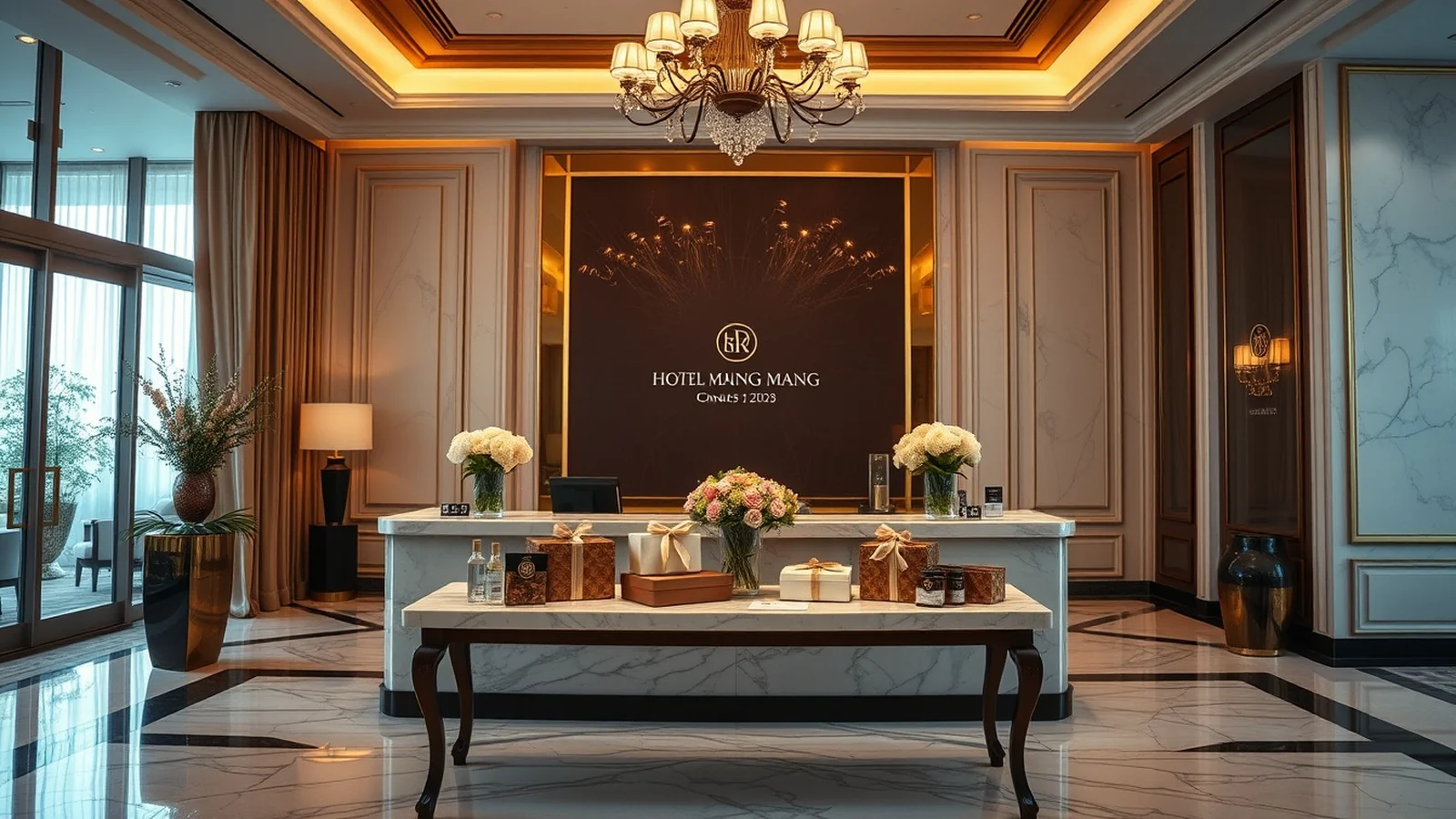
The hamper is the single most over-designed and under-planned hospitality item. Families spend on a beautiful box and forget that they need 140 of them, delivered into rooms before guests arrive, which is a logistics job, not a shopping job.
What actually goes in at each price point
- Rs 800 to Rs 1,200 a hamper. A printed jute or card box, a bottle of water, two local sweets or a small dry fruit pack, a wedding itinerary card, a hand fan or a small candle. Reads thoughtful, does not read luxury.
- Rs 2,500 to Rs 3,500 a hamper. A rigid custom printed box, artisanal sweets or a good mithai brand, a small brass or ceramic keepsake, a scented sachet, personalised itinerary, an eye mask, a mini toiletries pouch and a handwritten name tag. This is the sweet spot for most Rs 50 lakh to Rs 1 crore weddings.
- Rs 7,000 to Rs 12,000 a hamper. Leather or lacquer trunk, a premium regional craft object, single estate tea or a spirits miniature where permitted, custom perfume vial, embroidered pouch, printed guest booklet, and a per-room personalised note. At this tier you are usually working with a gifting designer and a two month lead time.
Add Rs 150 to Rs 400 per hamper for in-room placement, which the hotel will charge as a handling or delivery fee if its staff carries them. On 140 rooms that is Rs 21,000 to Rs 56,000 that nobody quoted you.
Beyond hampers, budget for the paper layer: itinerary cards Rs 60 to Rs 250 each, lanyards and name badges Rs 90 to Rs 300, welcome kit folders Rs 150 to Rs 500, room signage and door hangers Rs 80 to Rs 200. It sounds trivial until 200 guests times four items lands at Rs 1.2 lakh. If you are already printing, coordinate the design with your wedding invitation suite so the whole guest experience reads as one language.
Two amenity items worth the money at every tier: a bottled water and rehydration setup in every room, and a written door card with the next day’s timings. Two items rarely worth it: floral in-room arrangements that die by day two, and a hamper item heavier than 1.5 kg, because guests flying budget carriers quietly leave it behind.
The meals nobody budgeted for
This is the hidden cost that produces the ugliest final invoice conversations. Your caterer or the hotel banquet team quotes per plate for the functions. Breakfast, arrival lunch, hi-tea, late night snacks and departure brunch are separate, they are billed against a different rate card, and at a hotel they usually do not count toward the food and beverage minimum guarantee.
Rough 2026 per person rates for non-function meals at a five star:
| Meal | Per person, four star | Per person, five star | Per person, luxury resort |
|---|---|---|---|
| Breakfast (usually bundled with room) | Rs 0 to Rs 700 | Rs 0 to Rs 1,200 | Rs 0 to Rs 2,200 |
| Arrival or in-between lunch | Rs 900 to Rs 1,400 | Rs 1,500 to Rs 2,600 | Rs 2,800 to Rs 5,000 |
| Hi-tea between functions | Rs 450 to Rs 750 | Rs 800 to Rs 1,500 | Rs 1,600 to Rs 3,000 |
| Midnight snack counter | Rs 350 to Rs 600 | Rs 650 to Rs 1,200 | Rs 1,200 to Rs 2,500 |
| Departure brunch | Rs 800 to Rs 1,300 | Rs 1,400 to Rs 2,400 | Rs 2,500 to Rs 4,500 |
Do the arithmetic once and it changes how you plan the schedule. One hundred and fifty outstation guests over three days will eat roughly two extra lunches, two hi-teas and two midnight counters. At five star mid rates that is around Rs 150 times (2 x 2,000 plus 2 x 1,100 plus 2 x 900), which is close to Rs 12 lakh of food that appears in no function budget anywhere.
Three levers actually work here. Insist breakfast is included in the room rate for every occupant, not just two per room. Convert one hi-tea into a hosted event with a sponsor-style setup that your caterer can price into the function rate rather than the hotel billing it a la carte. And cap the midnight counter with a consumption-based bill rather than a headcount bill, because only 30 to 40 percent of guests actually eat at 1 am. Our per plate cost guide and the catering cost breakdown explain how consumption versus guarantee billing works.
NRI guests, elderly guests and the care layer
Two guest groups need dedicated hospitality spend, and both are easy to underestimate.
NRI guests
Foreign passport holders and OCI card holders need real support, not reassurance. Budget for someone to issue invitation and accommodation letters for visa applications, which is unpaid staff time but must be owned by a named person eight to ten weeks out. Add prepaid Indian SIM cards at Rs 400 to Rs 1,200 per guest, which is the single highest satisfaction-per-rupee item we buy. Add a forex desk or a pre-arranged cash handover, since guests landing at 2 am with only foreign cards will not find a working ATM at a palace hotel. Add an on-call driver who speaks English. Our NRI wedding planning guide covers the documentation timeline in full.
Elderly and mobility-limited guests
Assign one attendant per four to six elderly guests at Rs 1,500 to Rs 3,000 per attendant per day. Pre-book wheelchairs, both airport assistance and two to four on property at Rs 500 to Rs 1,200 a day. Keep a doctor on call for Rs 8,000 to Rs 20,000 a day, or a paramedic with a stocked kit at Rs 4,000 to Rs 7,000, which is non-negotiable at any destination property more than 30 minutes from a hospital. Allocate ground-floor or lift-adjacent rooms in the block during the rooming list stage, not on arrival day.
Together this care layer runs Rs 40,000 to Rs 1.6 lakh across a three day wedding. It buys the thing families actually remember, which is that nobody’s grandmother had a bad time.
Hospitality cost per outstation guest per day: three tiers
Here is the table to budget from. All figures are per outstation guest per day, excluding GST, assuming double occupancy on rooms.
| Line item | Considered (4 star, tier 2) | Premium (5 star, metro) | Luxury (palace or resort) |
|---|---|---|---|
| Room share (per guest, double occupancy) | Rs 2,800 | Rs 6,500 | Rs 17,000 |
| Non-function meals | Rs 900 | Rs 2,200 | Rs 4,800 |
| Airport transfer, amortised | Rs 500 | Rs 1,100 | Rs 2,600 |
| On-property transport and buggies | Rs 60 | Rs 180 | Rs 450 |
| Hospitality desk and staffing | Rs 220 | Rs 450 | Rs 1,100 |
| Hamper and kit, amortised over the stay | Rs 330 | Rs 950 | Rs 3,000 |
| Care layer, medical and contingency | Rs 90 | Rs 200 | Rs 550 |
| Total per guest per day | Rs 4,900 | Rs 11,580 | Rs 29,500 |
Add 18 percent GST on hotel rooms above the applicable slab and on most services. Add 8 to 12 percent for the things that always appear: extra room nights for early arrivals, a vendor room block, laundry signed to the master account, and the one guest who orders room service for nine people.
Worked totals at 60, 120 and 250 outstation guests
Three real-shaped scenarios, each a three night stay, priced at the premium (five star) tier unless noted. Rooms assume double occupancy, so 60 guests means about 32 rooms once you allow for single travellers.
60 outstation guests, three nights, five star metro
Roughly 32 rooms times 3 nights at Rs 12,000 equals Rs 11.5 lakh of room nights. Non-function meals at Rs 2,200 times 60 times 3 equals Rs 3.96 lakh. Transfers, roughly 40 movements, Rs 1.6 lakh. Hospitality desk, three executives and a supervisor for three days, Rs 1.1 lakh. Hampers at Rs 2,800 for 32 rooms, Rs 90,000. Buggies, care layer and contingency, Rs 60,000. Total before GST: about Rs 19.7 lakh, or roughly Rs 33,000 per outstation guest for the whole wedding. This shape fits comfortably inside a Rs 50 lakh wedding budget only if the family funds rooms partly on a guest-pays basis.
120 outstation guests, three nights, five star leisure destination
About 66 rooms times 3 nights at Rs 15,000 equals Rs 29.7 lakh. Non-function meals Rs 2,600 times 120 times 3 equals Rs 9.36 lakh. Transfers, a mixed fleet across a spread arrival day, Rs 4.2 lakh. Hospitality desk, five executives, a supervisor, two airport reps, four days, Rs 3.1 lakh. Hampers at Rs 3,200 for 66 rooms, Rs 2.1 lakh. Buggies at six units for four days, Rs 1.3 lakh. Care layer and doctor, Rs 90,000. Kits and printing, Rs 70,000. Total before GST: about Rs 51.5 lakh, roughly Rs 43,000 per outstation guest. Hospitality alone is a quarter of a Rs 2 crore wedding budget at this shape.
250 outstation guests, three nights, palace or full resort buyout
About 135 rooms times 3 nights, with a buyout rate averaging Rs 26,000, equals Rs 1.05 crore. Non-function meals at Rs 4,000 times 250 times 3 equals Rs 30 lakh. Transfers with a 40 vehicle fleet across three days, Rs 14 lakh. Hospitality team of 14 across four days, Rs 9 lakh. Hampers at Rs 6,500 for 135 rooms, Rs 8.8 lakh. Buggies, ten units, four days, Rs 2.4 lakh. Care layer, doctor, ambulance standby, Rs 2.2 lakh. Printing, kits, desk build, Rs 3 lakh. Total before GST: about Rs 1.74 crore. At this scale a full buyout usually beats a room block, because attrition risk disappears and you stop paying retail on every incidental.
Run your own numbers against the rest of the budget using the wedding budget calculator, and sanity check the split against our full Indian wedding cost breakdown.
Hidden costs, contract clauses and how to negotiate
The extras that always appear on the final bill
- Extra person charge on triple occupancy, Rs 2,000 to Rs 6,000 a night, applied silently when a cousin moves rooms.
- Early check in and late check out half day charges, typically 50 percent of the room rate.
- In-room hamper placement and baggage handling fees.
- Laundry, minibar and room service routed to the master account because nobody set a guest-pays instruction.
- Vendor and crew rooms, usually 8 to 14 rooms for a full production team, rarely quoted upfront.
- Corkage on anything you bring in, including the hampers if they contain food or a spirits miniature.
- Overtime on the hospitality desk once the departure day slips past checkout.
What to put in writing before the advance
- The wedding rate, the minimum room night floor, the attrition allowance percentage and the release date, all as numbers.
- The complimentary room ratio and the upgrade allotment, expressed against the block, not against a promise.
- Whether room revenue counts toward the food and beverage minimum guarantee. Get a yes or no, in writing.
- A named hotel side hospitality coordinator, with a phone number, on duty for your dates.
- The cancellation ladder by date, and the currency and date of the rate if you are booking more than a year out.
- A cap on incidentals chargeable to the master account, with a guest-pays default for laundry and minibar.
On negotiation, the three levers that consistently work: commit to a longer block by adding a shoulder night rather than asking for a lower nightly rate, since hotels protect rate and give volume; move one function to a weekday, which is worth 10 to 20 percent on both rooms and banquet; and bundle the block with the banquet contract under one negotiation rather than two, because the revenue manager and the banquet manager have separate targets and will each hold their own line if you let them. Everything you agree belongs in the master contract. Our wedding planner contract guide covers the clauses that protect you when a vendor or a venue underdelivers.
Finally, decide early and publicly who pays. Full host-funded rooms, host-funded for immediate family with a negotiated rate extended to everyone else, or a straight group rate that guests book themselves. All three are respectable. What is not respectable is leaving it ambiguous until guests ask, because by then you have already committed room nights you may have to pay for anyway.
Want a realistic budget for your wedding?
Share your guest count, city and vision. Team Velvet Knot will build you an honest, itemised budget and a tailored plan.
Guest timing and travel
How to run guest hospitality
- negotiating a hotel room block
- what to put in a welcome hamper
- moving outstation guests
- the destination wedding guest guide
Security and parking
Frequently Asked Questions
What does wedding hospitality cost per guest in India?
For 2026, budget roughly Rs 4,900 per outstation guest per day at a four star tier two property, about Rs 11,600 at a five star in a metro, and Rs 29,500 at a palace or luxury resort. That covers room share on double occupancy, non-function meals, transfers, the hospitality desk, hampers and on-property transport. Add 18 percent GST and 8 to 12 percent for incidentals that always appear.
Do I have to pay for guests’ hotel rooms at an Indian wedding?
There is no fixed rule. Most families we work with fund rooms for immediate family and elderly guests, then extend the negotiated group rate to everyone else to book themselves. At destination weddings the expectation shifts toward the host covering at least two nights. Decide before invitations go out and state it plainly on the wedding website, because ambiguity costs more than either policy does.
What is an attrition clause in a wedding room block?
Attrition is the penalty for booking fewer room nights than you committed. If you contract 120 room nights and guests take only 95, the hotel bills you for part or all of the 25 night shortfall. Negotiate a 15 to 20 percent attrition allowance and a release date 21 to 30 days before the wedding, so unsold rooms return to the hotel without a charge to you.
How many complimentary rooms should a hotel give for a wedding block?
The common industry ratio is one complimentary room night for every 20 to 25 paid room nights, and one in 15 is achievable in a soft season or on a large block. On a 200 room night block that is 8 to 13 free nights. Take the benefit as suite upgrades for the couple and immediate family rather than as extra base rooms, since the value per night is far higher.
Are breakfast and in-between meals included in the wedding package?
Usually not. Breakfast is often bundled with the room rate but sometimes only for two occupants. Arrival lunches, hi-tea between functions, midnight snack counters and departure brunches are billed separately from the function per-plate rate, and at hotels they typically do not count toward the food and beverage minimum guarantee. For 150 guests over three days this can add Rs 10 lakh to Rs 14 lakh.
How much should I spend on a wedding welcome hamper?
Rs 800 to Rs 1,200 buys a thoughtful basic hamper, Rs 2,500 to Rs 3,500 is the sweet spot for most premium weddings, and Rs 7,000 to Rs 12,000 is genuine luxury gifting territory with a two month lead time. Budget one hamper per room, not per guest, and add Rs 150 to Rs 400 per hamper for in-room placement, which hotels bill as a handling fee.
Sources and further reading
Begin Your Engagement
Want a real number for your wedding?
Tell us your city, guest count and dates. Team Velvet Knot will come back within 24 hours with an itemised budget.