Agarwal Wedding Rituals: The Full Sequence from Sagai to Vidai, Explained
- Who the Agarwals are
- Maharaja Agrasen and Agroha
- The gotra rule
- The rituals in order
- Sagai and tilak
- Lagan: fixing the date in writing
- Bhaat: the maternal uncles’ gifts
- Nikasi and ghudchadi
- Toran and the welcome
- Varmala and pheras
- Kangna, juta chupai and mooh dikhai
- The priest and the muhurat
- Music and the baraat
- Food and drink
- What the bride and groom wear
- A sample wedding weekend
- Gifts and shagun
- Agarwal families abroad and mixed weddings
- Venues
- What to settle beforehand
- Frequently Asked Questions
- Sources and further reading
Agarwal weddings follow the North Indian Hindu sequence with a strong Vaishya and Marwari flavour. They run from the sagai and tilak to the lagan, the ban, and the bhaat brought by the bride’s mother’s brothers. Then come the groom’s nikasi on a mare, the toran at the door, the varmala and the pheras, and finally the kangna games and the vidai. The community traces its descent to Maharaja Agrasen and is commonly described as having 18 gotras.
Planning a Hindu wedding? Free download: the ritual-by-ritual planning timeline
Every ritual of a Hindu wedding in order, with when it happens, what the family arranges and when to book it, on one printable page. Share a few details about your wedding in the form at the end of this page and the download link appears as soon as you send it.
Who the Agarwals are
The Agarwals, also written Aggarwal or Agrawal, are one of India’s best-known business communities, part of the Vaishya varna. They trace their descent to Maharaja Agrasen, a legendary king of Agroha in present-day Haryana, and the community is commonly described as having 18 gotras, said to descend from his children. Agarwal families are spread across Haryana, Rajasthan, Delhi, Uttar Pradesh, Punjab, Madhya Pradesh, Bihar, Bengal and beyond, and their wedding customs mix North Indian Hindu practice with the regional customs of wherever the family has lived for generations.
An Agarwal family from Rajasthan will have a wedding very close to the Marwari wedding; one from Delhi or western Uttar Pradesh will look more like the general North Indian Hindu wedding. This guide covers the sequence most Agarwal families share.
Maharaja Agrasen and Agroha
Agarwal identity centres on Maharaja Agrasen, remembered as a just and generous king who founded the city of Agroha. The site of Agroha, in Hisar district of Haryana, is a place of pilgrimage for the community, with a large temple complex, and Agrasen Jayanti is celebrated each year. Many Agarwal families mark a wedding with a prayer to the family deity and to the memory of the community’s founder, and some visit Agroha before or after the wedding.
The gotra rule
Agarwal families, like most Hindu communities, avoid marriage within the same gotra. With 18 gotras in the community, that rules out a meaningful share of possible matches, and families check the gotras of both sides early, often before anything else. Many families also avoid the mother’s gotra. The rule is a matter of custom, not of law: the Hindu Marriage Act does not prohibit marriage within the same gotra.
The rituals in order
| Stage | Ritual | What happens |
|---|---|---|
| Agreement | Roka | The families agree the match and bless the couple with gifts and sweets. |
| Engagement | Sagai and tilak | Rings are exchanged; the bride’s brother applies the tilak to the groom. |
| Weeks before | Lagan | The lagan patrika, the formal letter fixing the date and time, is sent to the groom’s family. |
| Days before | Ban and haldi | Turmeric and oil for the bride and groom at their homes. |
| Days before | Bhaat | The bride’s (and groom’s) mother’s brothers bring clothes, jewellery and gifts. |
| Day before | Mehndi and sangeet | Henna for the bride, music and dance for both families. |
| Wedding day | Nikasi and ghudchadi | The groom leaves home on a mare with the baraat. |
| Arrival | Toran and milni | The groom touches the toran at the door; the families meet. |
| Evening | Varmala | The couple exchange garlands. |
| Muhurat | Kanyadaan and pheras | The bride is given away and the couple circle the fire. |
| After | Vidai, griha pravesh, kangna and mooh dikhai | The bride’s farewell, her welcome, and the games and introductions at her new home. |
Sagai and tilak
The engagement usually combines the ring ceremony with the tilak, in which the bride’s brother, or her father, applies a tilak to the groom’s forehead and gives him gifts: clothes, a ring or chain, sweets, dry fruit and cash. In many Agarwal families the tilak is an occasion for the men of the bride’s family to visit the groom’s home, and it is followed by a meal. Our tilak ceremony guide covers it in detail.
Lagan: fixing the date in writing
The lagan is the formal letter from the bride’s family to the groom’s family that fixes the date and muhurat of the wedding, written by the family priest on auspicious paper, often red or yellow, and sent with gifts and sweets. In many families it is carried by a relative or the priest and read out at the groom’s home. It is one of the oldest documents of a North Indian wedding and many families keep it afterwards.
Bhaat: the maternal uncles’ gifts
The bhaat is one of the most important and emotional rituals of an Agarwal wedding. A few days before the wedding, the bride’s mother goes to her own brothers’ home to invite them, carrying jaggery or sweets, often with women of the family singing. On the day of the bhaat, her brothers arrive with clothes for the bride and the whole family, jewellery, household items and cash, and the mother receives them at the door. The bhaat expresses the maternal family’s support and is a matter of family pride. The groom’s mother receives a bhaat from her brothers too. Related customs appear across North India and Rajasthan, sometimes under the name mayra.
Nikasi and ghudchadi
On the wedding day, the groom is dressed, the sehra is tied, and he leaves his home on a mare in the nikasi. His sister or sisters-in-law feed the mare gram and hold its reins, receiving a gift from him, and the baraat sets off with the band. In many families the groom’s mother performs a small ritual at the door before he leaves. Our sehrabandi guide covers the tying of the sehra.
Toran and the welcome
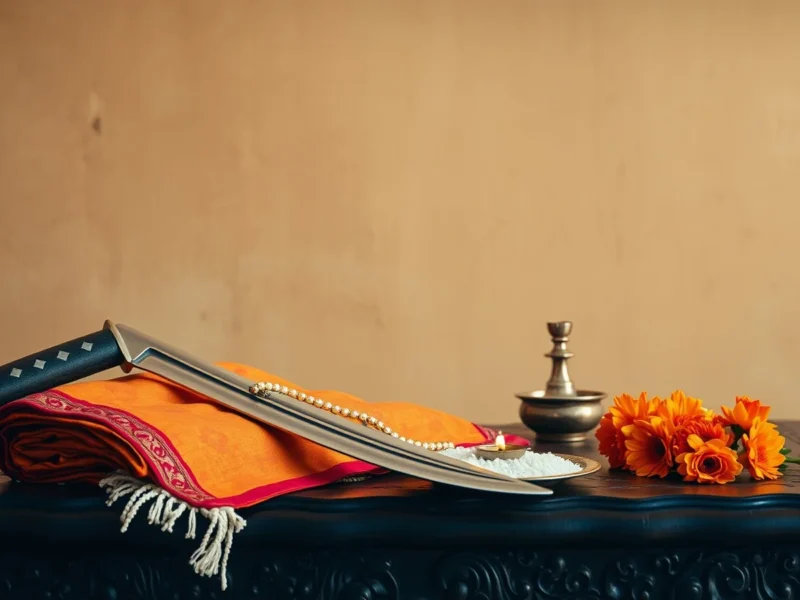
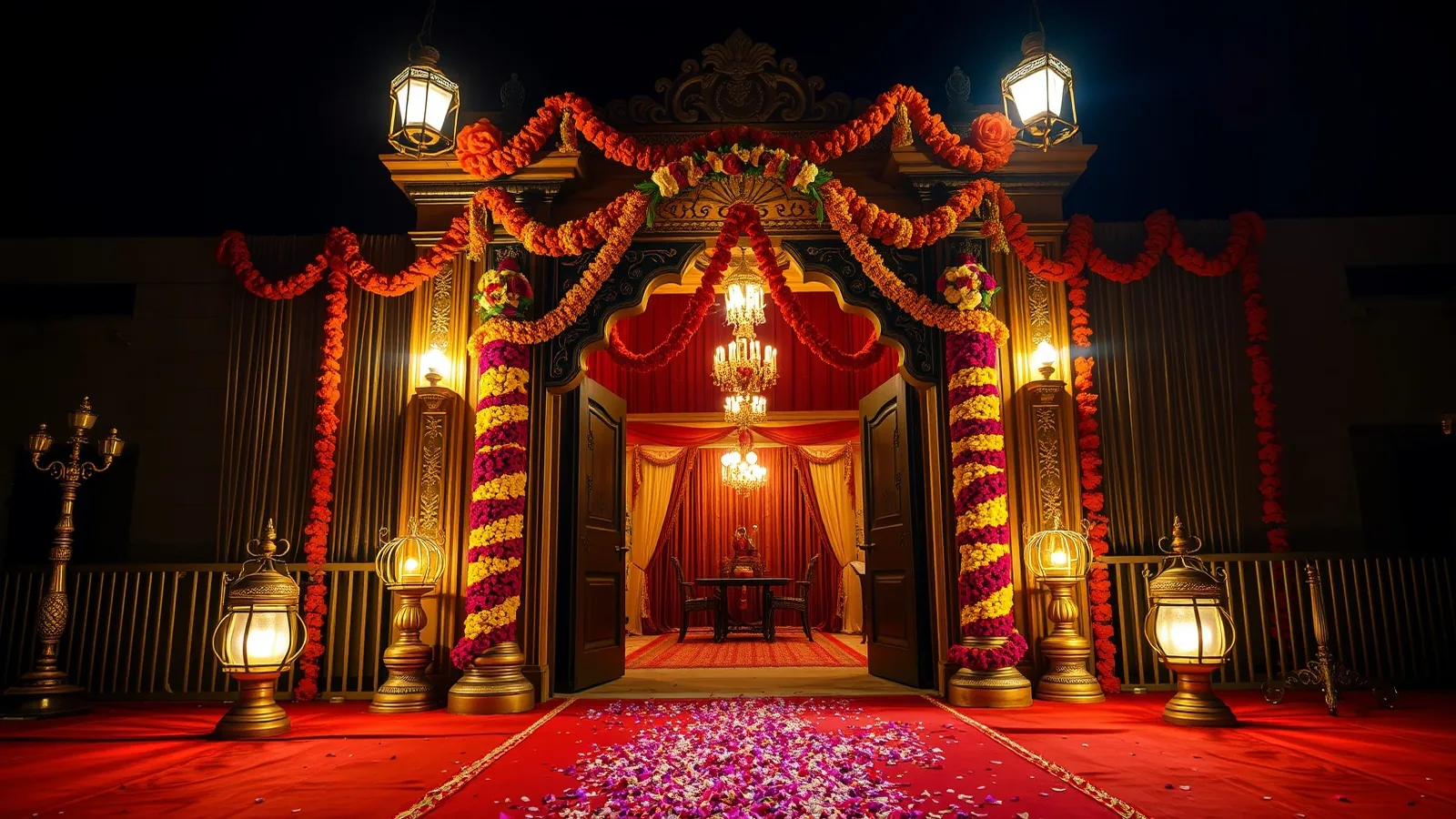
When the baraat reaches the bride’s venue, a toran, a decorated wooden or metal emblem, hangs above the entrance. The groom touches or strikes it with a sword, a stick or a neem branch before entering, a custom shared with Marwari and Rajasthani weddings. The bride’s mother then welcomes him with an aarti, and the milni between the two families follows.
Varmala and pheras
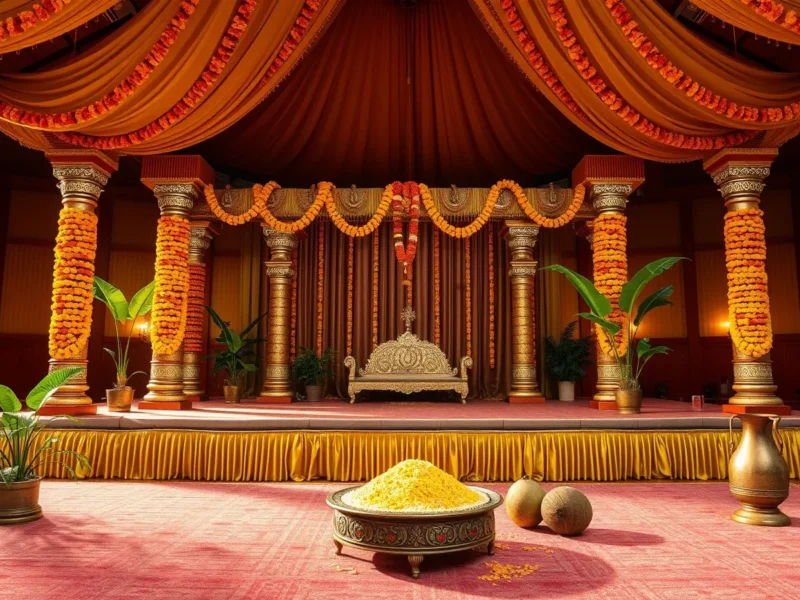
The couple exchange garlands at the varmala, usually on a stage, before dinner. The pheras take place at the muhurat, sometimes late at night, with the kanyadaan, the knot tying the couple’s garments, the circling of the fire, the saptapadi and the sindoor and mangalsutra. The priest leads the ceremony, and the bride’s family hosts it.
Kangna, juta chupai and mooh dikhai
The lighter rituals come around the ceremony. In juta chupai, the bride’s sisters hide the groom’s shoes and demand money for their return. At the groom’s home, the couple play kangna, untying the threads tied on their wrists, and games of finding a ring in a bowl of milk. The mooh dikhai introduces the bride to the women of her new family, who give her gifts.
The priest and the muhurat
Most Agarwal families have a family priest who fixes the muhurat from the horoscopes, writes the lagan and conducts the pheras. The muhurat may be late at night, especially in the peak winter season, and the evening is then arranged backwards from it: baraat and milni early, varmala and dinner, and the pheras when the time comes, with the closest family staying through the night. If the family wants the pheras earlier, ask the priest well in advance whether an earlier auspicious time is possible on the same date; it often is.
Music and the baraat
A brass band, dhol players and a decorated mare or carriage lead the baraat, often with a DJ on a vehicle behind. Outdoor amplified music in most cities is restricted after 10 pm, so a baraat timed for a late muhurat needs to set off early enough to arrive and finish the music before the cut-off.
Food and drink
Agarwal weddings are usually vegetarian, and many Agarwal families do not serve alcohol, though practice varies a great deal. Menus combine North Indian, Rajasthani and Marwari dishes: dal bati churma, gatte, kachori, paneer, chaat counters, jalebi and rabri, ghewar in season, and elaborate sweets. Jain-style menus without onion and garlic are often needed for some guests. Our wedding catering cost guide covers how caterers price per plate.
What the bride and groom wear
The bride usually wears a red or deep pink lehenga for the pheras, often with heavy gold or kundan jewellery, and many families keep a Rajasthani poshak or a bandhani odhni for one of the ceremonies. The groom wears a sherwani with a safa or turban and the sehra. The bhaat often brings the clothes the bride and her mother wear for parts of the wedding, which is one reason it matters so much: it dresses the family.
A sample wedding weekend
| Day | Events |
|---|---|
| Day 1 morning | Ban and haldi at each home; bhaat at the bride’s home |
| Day 1 evening | Mehndi and sangeet |
| Day 2 afternoon | Nikasi and ghudchadi at the groom’s side |
| Day 2 evening | Baraat, toran, milni, varmala, dinner |
| Day 2 night | Pheras at the muhurat |
| Day 3 morning | Vidai; griha pravesh, kangna and mooh dikhai at the groom’s home |
Many families compress this into two days at a destination, or spread it over a week at home. The bhaat and the haldi are the events most often moved, because they depend on when the maternal relatives arrive.
Gifts and shagun
Gift-giving runs through an Agarwal wedding: at the roka, the tilak, the lagan, the bhaat, the milni and the mooh dikhai. Most of it is between the families and within them, and it is planned rather than spontaneous. Families keep lists, and a trusted relative records what is given and received at each event. For the bride’s family, it helps to agree with the groom’s family in advance what gifts will be exchanged at the tilak and the milni, so that neither side is surprised.
Agarwal families abroad and mixed weddings
Agarwal families abroad usually bring the wedding home to Delhi, Jaipur or a destination in Rajasthan, with the bhaat and the haldi often held at a relative’s house so the maternal family can host them properly. When an Agarwal family marries into another community, the North Indian sequence is easy to combine with most Hindu traditions, and the bhaat is usually kept on the Agarwal side whatever else changes. Our Delhi wedding cost guide covers the city where many Agarwal weddings take place.
Venues
Agarwal weddings are held at farmhouses and banquet halls in Delhi and NCR, palace hotels in Rajasthan, and hotels across North India. Large weddings with a big bhaat, a long baraat and a reception need venues with parking, a route for the baraat and space for several events over two or three days. Destination weddings in Udaipur, Jaipur and Jodhpur are common for families with Rajasthani roots.
What to settle beforehand
- The gotras of both families, checked early.
- The muhurat, and the priest who writes the lagan.
- The bhaat: when, where and who receives it.
- The baraat route and the mare.
- Menus, including Jain-style options, and whether alcohol is served.
Frequently Asked Questions
What are the rituals in an Agarwal wedding?
Roka, sagai and tilak, lagan, ban and haldi, bhaat, mehndi and sangeet, nikasi and ghudchadi, toran and milni, varmala, kanyadaan and pheras, vidai, griha pravesh, kangna and mooh dikhai.
What is bhaat in an Agarwal wedding?
The ritual in which the bride’s or groom’s mother’s brothers bring clothes, jewellery and gifts for the family a few days before the wedding, after the mother invites them.
How many gotras do Agarwals have?
The community is commonly described as having 18 gotras, traced to Maharaja Agrasen.
Can Agarwals marry within the same gotra?
By custom, families avoid it. The Hindu Marriage Act does not prohibit it.
What is the lagan ceremony?
The formal letter from the bride’s family to the groom’s family fixing the date and muhurat of the wedding, written by the priest and sent with gifts.
Do Agarwal weddings serve alcohol?
Many do not, but practice varies by family.
Who is Maharaja Agrasen?
The legendary king of Agroha, in present-day Haryana, from whom the Agarwal community traces its descent.
Sources and further reading
Planning an Agarwal wedding in Delhi, Rajasthan or at a destination? Tell us your dates and guest count and we will send a tailored plan and quote.
Begin Your Engagement
Want a real number for your wedding?
Tell us your city, guest count and dates. Team Velvet Knot will come back within 24 hours with an itemised budget.