Tilak and Roka Ceremony Cost in India 2026: The Pre-Wedding Rituals
- What a tilak and roka actually cost in 2026
- Tilak vs roka vs a full engagement: what you are paying for
- Tilak and roka cost tiers for 2026
- Where the money actually goes
- The shagun and gift exchange: a real line item, but not a service cost
- Hidden extras families forget to budget
- How to keep a tilak or roka lean
- Related pre-wedding rituals
- Frequently Asked Questions
- Sources and further reading
An intimate at-home tilak or roka in 2026 costs roughly Rs 30,000 to Rs 1.25 lakh. A mid, hosted version runs Rs 1.5 lakh to Rs 4 lakh, and a lavish hotel-hosted roka Rs 5 lakh to Rs 12 lakh. Guest counts are small, so per-head cost is high but the total stays modest. Figures are indicative.
What a tilak and roka actually cost in 2026
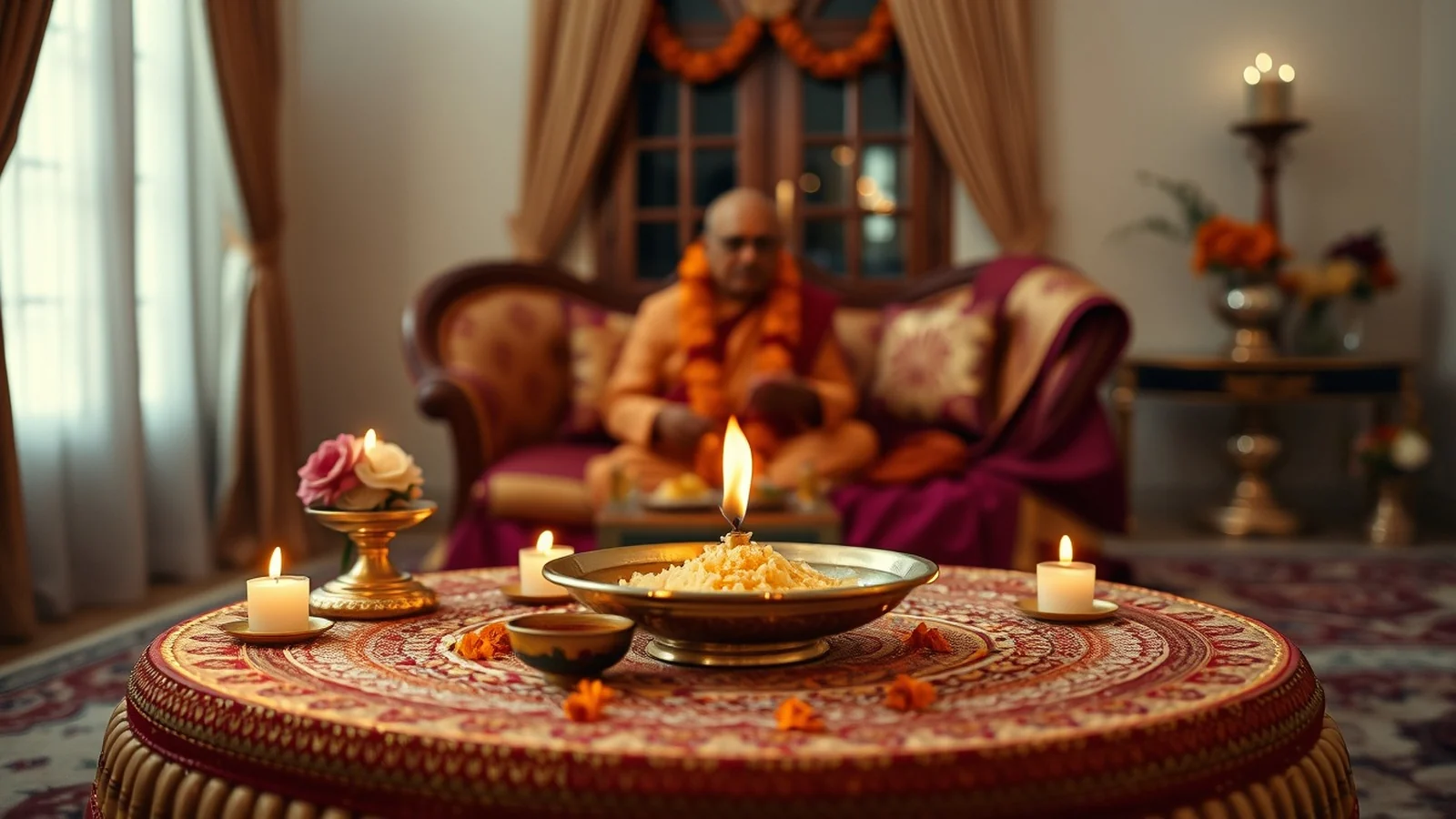
The tilak and the roka are the two rituals that formally open a wedding. The roka is the moment both families agree to the match and ‘stop’ looking further, and the tilak is when the bride’s side applies a mark on the groom’s forehead and hands over the first shagun. In many families they happen in one sitting; in others the roka comes first and the tilak follows weeks later. Whichever way your family runs it, the money question is the same: this is a small function, so what should you actually budget?
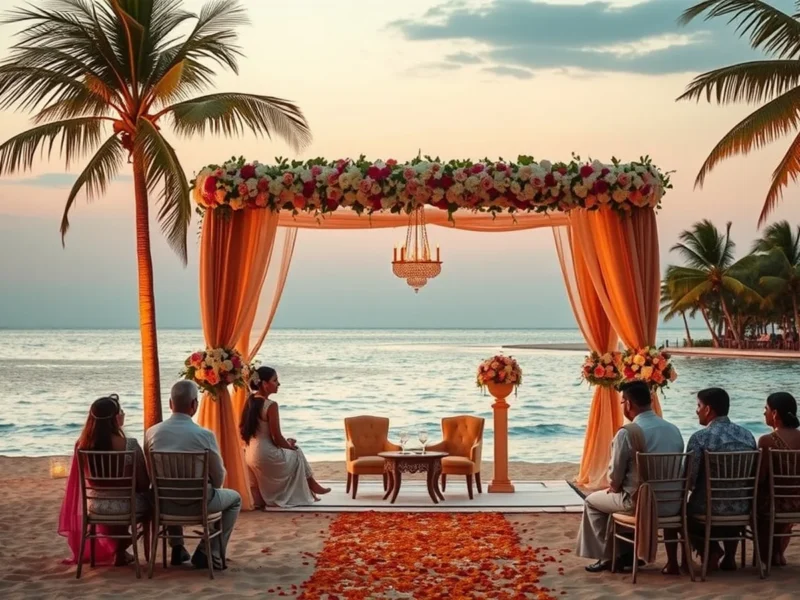
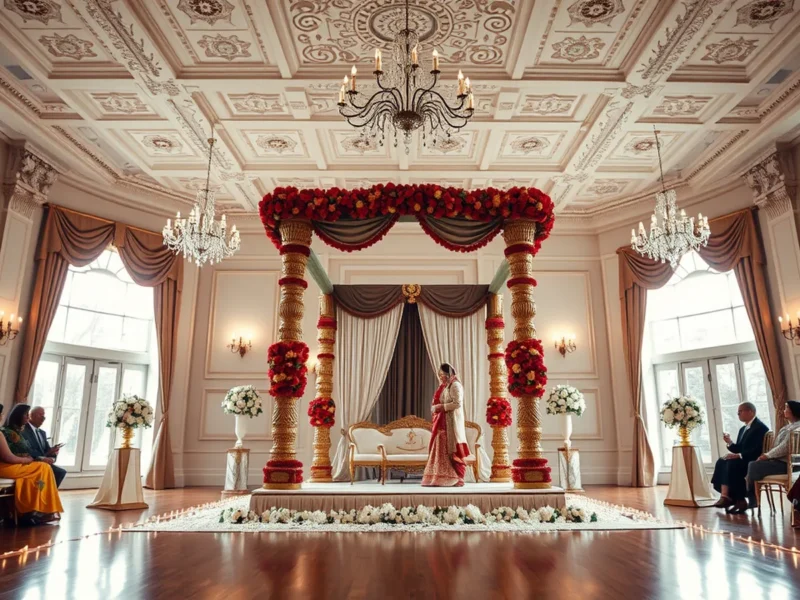
Here are realistic 2026 anchors. An intimate at-home tilak or roka, family only, with light decor and a caterer for 20 to 40 people, lands at Rs 30,000 to Rs 1.25 lakh. A mid, hosted version at a small banquet or restaurant private room, 50 to 80 guests, professional decor and a photographer, runs Rs 1.5 lakh to Rs 4 lakh. A lavish hotel-hosted roka with a five-star venue, a designer mandap-style setup, plated dinner and full photo and video, reaches Rs 5 lakh to Rs 12 lakh. These are indicative ranges for a Hindu ceremony in a metro or Tier-1 city; smaller towns run 20 to 30 percent lower.
The counterintuitive part is the per-head maths. Because the guest list is tiny, your cost per person can look alarming, sometimes Rs 3,000 to Rs 6,000 a head once you fold decor and photography into a 30-person function, higher than a 400-guest reception. That is normal. Fixed costs like a pandit, a photographer’s minimum call-out and a decor setup do not shrink just because you invited 30 people. Judge a tilak or roka by its total, not its per-plate, and do not let a vendor upsell you into ‘value’ by scaling the guest list you never wanted.
Tilak vs roka vs a full engagement: what you are paying for
Before you budget, be clear which function you are actually hosting, because the three are priced very differently and families routinely conflate them. The roka ceremony is the commitment ritual: short, prayer-led, often just close family, sometimes only a tea-and-mithai gathering at home. The tilak ceremony centres on the tilak applied to the groom and the shagun exchange, and it is traditionally hosted by the bride’s family for the groom’s side. Both are ritual-first and guest-light by design.
A full engagement or ring ceremony is a different animal. It is a party: a ring exchange, a larger guest list, a stage, entertainment and a proper dinner, and it belongs on our engagement ceremony cost page, not here. If you are planning a sit-down for 200 with a DJ and a sangeet feel, you are pricing an engagement, and that page will serve you better. This page is for the smaller, ritual-led tilak and roka, whether you keep them separate or combine them into one afternoon. For the ritual meaning and sequence themselves, lean on the guides above and on our Hindu wedding rituals guide; here we stay strictly on cost.
One practical consequence: if a decorator or hotel quotes you an ‘engagement package’ when you asked for a roka, they are almost certainly sizing it for a party. Push back, restate the guest count and the ritual-only brief, and ask for a scaled-down quote. The gap between an engagement build and a roka build can be Rs 2 lakh to Rs 4 lakh of decor and catering you do not need.
Tilak and roka cost tiers for 2026
The table below sets out the three realistic tiers, what each buys, and roughly how the total splits. Treat every figure as an indicative 2026 range for a metro or Tier-1 city; a home function in a smaller town sits at the bottom of each band or below it.
| Tier | Setting and guests | What it includes | Indicative total |
|---|---|---|---|
| Intimate (at home) | Home or small hall, 20 to 40 guests | Pandit, light decor, mithai and snacks, home caterer, phone or basic photography | Rs 30,000 to Rs 1.25 lakh |
| Mid (hosted) | Banquet or restaurant private room, 50 to 80 guests | Professional decor, plated or buffet catering, pandit, a photographer, return gifts | Rs 1.5 lakh to Rs 4 lakh |
| Lavish (hotel) | Five-star or boutique venue, 60 to 120 guests | Designer decor, premium catering, photo and video, styling, curated favours | Rs 5 lakh to Rs 12 lakh |
Notice that guest counts barely move between the mid and lavish tiers. The jump in cost is not more people, it is more finish: a five-star per-plate that is three times a banquet’s, a decorator building a real set rather than dressing a room, and a full photo-video crew instead of a single shooter. If your instinct is that a roka should feel personal and unhurried, the intimate and mid tiers are where most families land, and they are the right call. The lavish tier makes sense only when the roka is doubling as the family’s public announcement and the guest list has grown accordingly.
Where the money actually goes
Break any tilak or roka into its parts and the cost drivers are easy to see. Here is what each line typically costs in 2026 and where quotes hide extras.
Venue. This is the single biggest swing. At home the venue is free, which is why the intimate tier is so affordable. A banquet or restaurant private room for a half-day runs Rs 25,000 to Rs 1 lakh depending on city and minimum-spend terms. A five-star function space, often bundled into a food-and-beverage minimum, effectively adds Rs 1.5 lakh to Rs 4 lakh before you have decorated anything. Always ask whether the hall rental is separate from or folded into the catering minimum, because that single line decides your tier.
Catering. For a small function you are paying a per-plate rate on a tiny headcount, so caterers apply minimums. A home or banquet caterer runs Rs 600 to Rs 1,500 a plate; a five-star plated menu runs Rs 2,500 to Rs 5,000. On 40 guests that is a Rs 24,000 to Rs 2 lakh spread. For the full picture on rates and minimums, see our wedding catering cost guide, and note that many caterers will not quote below a floor of 50 to 75 plates even if you have 30 guests.
Pandit and puja. A pandit for the tilak and the short puja costs Rs 2,500 to Rs 15,000 depending on seniority, travel and the samagri (puja materials) he supplies. It is small in the total but non-negotiable for the ritual, so book early; good pandits are heavily booked in season. Our wedding pandit cost page breaks down what drives the fee.
Decor. For an intimate function, a floral backdrop, some marigold and a seating setup runs Rs 15,000 to Rs 60,000. A hosted function with a proper stage, fresh-flower backdrop and table styling runs Rs 75,000 to Rs 3 lakh. Keep it light: a roka reads best warm and intimate, and an over-built set fights the mood.
Photography. A single photographer for a half-day roka costs Rs 15,000 to Rs 50,000; adding a videographer or a candid team pushes it to Rs 75,000 to Rs 2 lakh. For a family-only sitting, one strong photographer is usually enough. Our haldi ceremony cost page uses the same logic for a comparable small function.
Mithai, invitations and favours. A tray of premium mithai and dry fruits for the exchange runs Rs 3,000 to Rs 20,000. Small printed or digital invites for a roka cost far less than a wedding card; see wedding invitation cost if you want printed cards. Return items or shagun boxes for guests run Rs 200 to Rs 1,500 a head.
The shagun and gift exchange: a real line item, but not a service cost
Every honest tilak-roka budget has to name the shagun, and it is where families most often lose the thread. The shagun is the ceremonial gift exchange: cash in an envelope, clothes, jewellery, dry fruits and sweets passed between the two families as a blessing on the match. In many families it is the single largest number attached to the day, sometimes far larger than the venue and catering combined.
The critical distinction: shagun is a gift, not a service cost. It does not buy you a function, it does not scale with your guest list, and it is set by family custom, relationship and means, not by any vendor’s rate card. That is why we keep it out of the tier table above. If you fold a Rs 2 lakh jewellery gift into your ‘roka budget’, you will conclude the roka cost Rs 3 lakh when the function itself cost Rs 1 lakh and the rest was a present you would have given regardless. Track the two separately: a function budget (venue, food, decor, pandit, photo) and a gifting budget (shagun, clothes, jewellery). Our wedding budget calculator is the place to hold both without confusing them.
Practically, shagun cash for a roka commonly ranges from a token Rs 5,000 or Rs 11,000 to Rs 51,000 or more per gesture, with clothing and jewellery on top entirely at the family’s discretion. There is no ‘correct’ figure and no vendor to negotiate with, only a family conversation to have early so neither side is surprised. The one budgeting mistake to avoid is letting an open-ended gifting number balloon while you economise on the function; decide the gifting envelope first, then plan the function inside what is left.
Hidden extras families forget to budget
The tilak and roka look cheap on paper, which is exactly why the extras sting. Watch these.
- The gifting overrun. As above, an unbounded shagun and clothes budget is the most common way a ‘small’ function turns expensive. Set the number before you shop, not after.
- Two families, two cities. When the bride’s and groom’s families are in different cities, travel and a night’s stay for the visiting side is a real cost, often Rs 30,000 to Rs 2 lakh depending on party size and hotel. For a destination or outstation roka, budget it explicitly rather than absorbing it into ‘miscellaneous’.
- Catering minimums. A caterer who will not quote below 75 plates means you pay for 75 even with 30 guests. Confirm the floor before you book, or use a home caterer who prices honestly for small numbers.
- Venue food-and-beverage minimums. Hotels bundle the hall into an F and B minimum that assumes a full room. On a small function you can end up paying the minimum and leaving food on the table. Ask for the number in writing.
- Overtime and extra hours. Half-day photography and decor quotes assume a tight window. A roka that runs long triggers overtime on the crew and the venue. Build in a two-hour buffer.
- Coordinating two families’ expectations. Not a rupee line, but the real risk. One side imagining a quiet tea and the other planning a hotel dinner is how budgets double. Agree the tier and the guest count between both families before you call a single vendor.
How to keep a tilak or roka lean
The tilak and roka reward restraint. A few decisions keep them at the intimate or mid tier without feeling cheap.
- Keep it at home and family-only. The single biggest lever. A home function removes venue rent and F and B minimums at a stroke and keeps the guest list naturally short. Most families who overspend do so the moment they move to a hotel they did not need.
- Combine the tilak and roka into one sitting. If your customs allow it, hosting both in one afternoon halves your fixed costs: one pandit, one decor setup, one caterer, one photographer. Two separate functions double all of that for very little added meaning.
- Book one strong photographer, not a full crew. A family sitting does not need two shooters and a cinematographer. Save the full photo-video team for the wedding and reception.
- Cap the shagun envelope first. Decide the gifting number as a family before you plan the function, so the present does not quietly consume the party budget.
- Use a home caterer or a limited menu. Small headcounts get punished by per-plate minimums. A tight, high-quality menu from a caterer who prices small functions honestly beats a hotel plated dinner you are paying a minimum on.
- Resist the engagement upsell. If a vendor keeps sizing your roka like a party, restate the brief. A roka is not an engagement, and it should not be priced like one, as our engagement cost page makes clear.
The families who get this right treat the tilak and roka as what they are: warm, intimate, ritual-led openings to the wedding season, not a rehearsal for the reception. Spend on the pandit, a good photographer to capture the moment, and mithai worth remembering. Hold back on venue, crew and scale. Then put the money you saved where it earns more, the wedding and reception themselves, and let the tilak and roka stay small.
Want a realistic quote for your wedding?
Tell us your guest count, city and which functions you are planning. Team Velvet Knot will build you an honest, itemised budget.
Related pre-wedding rituals
Frequently Asked Questions
What is the average cost of a tilak or roka ceremony in India in 2026?
Most families spend between Rs 30,000 and Rs 4 lakh. An intimate at-home tilak or roka for 20 to 40 guests runs Rs 30,000 to Rs 1.25 lakh; a hosted version for 50 to 80 guests runs Rs 1.5 lakh to Rs 4 lakh. A lavish hotel-hosted roka can reach Rs 5 lakh to Rs 12 lakh. These are indicative 2026 ranges.
Why is the per-head cost of a tilak or roka so high?
Because the guest list is tiny but fixed costs are not. A pandit, a photographer’s minimum, and a decor setup cost the same whether you invite 20 people or 200, so spread over 30 guests the per-head figure looks steep. Judge a tilak or roka by its total budget, not its per-plate cost.
Is the shagun or gift money part of the ceremony cost?
No. The shagun is a gift, not a service cost. It is set by family custom and means, does not scale with your guest list, and buys no part of the function. Budget it separately from your function costs so a large present does not distort what the ceremony itself actually cost. A budget calculator helps keep the two apart.
What is the difference between a roka and a full engagement in cost terms?
A roka is a small, ritual-led commitment function, often family-only, and priced from Rs 30,000. A full engagement is a party with a ring exchange, a larger guest list, a stage and entertainment, and costs far more. If you are planning a sit-down for 200 with a DJ, see our engagement ceremony cost page instead.
Can I combine the tilak and roka to save money?
Yes, if your family customs allow it. Hosting both in one sitting means one pandit, one decor setup, one caterer and one photographer instead of two of each, which roughly halves your fixed costs. Many families combine them into a single afternoon with no loss of meaning.
What hidden costs should I watch for in a tilak or roka?
An open-ended shagun and clothes budget, travel and stay when the two families are in different cities, caterer minimums that charge for 75 plates when you have 30, hotel food-and-beverage minimums, and photo or decor overtime if the function runs long. Agree the tier and guest count between both families before booking any vendor.
Sources and further reading
Begin Your Engagement
Want a real number for your wedding?
Tell us your city, guest count and dates. Team Velvet Knot will come back within 24 hours with an itemised budget.