Mehr in a Muslim Marriage: Meaning, Prompt and Deferred Mehr, and How It Is Fixed
- What mehr is
- Its basis in the Quran
- Prompt and deferred mehr
- How much should mehr be?
- Mehr is not dowry
- Writing mehr into the nikahnama
- Mehr in Indian law
- Mehr in gold, property or other forms
- Agreeing the mehr between families
- How mehr is stated at the nikah
- Common mistakes when fixing mehr
- Mehr and the rest of the wedding budget
- Sunni and Shia practice
- Mehr and NRI or mixed marriages
- Frequently Asked Questions
- Sources and further reading
Mehr, or mahr, is the gift the groom must give the bride in a Muslim marriage. It is commanded in the Quran (4:4), it belongs to her alone, and it is agreed and written into the nikahnama at the nikah. It can be paid at once (prompt) or owed for later (deferred). It is the opposite of dowry: it flows from the groom to the bride, and her family has no claim on it.
What mehr is
Mehr, also spelt mahr or meher, is a gift of money or property that the groom gives, or promises to give, to the bride as part of the marriage contract. It is not a price and not a formality. In Islamic law it is the bride’s own right: it belongs to her alone, she can spend or keep it as she chooses, and neither her husband nor her family has any claim on it.
Mehr is one of the essential terms of a Muslim marriage. It is agreed between the two sides before the nikah, stated aloud during the ceremony, and written into the nikahnama, the marriage contract. Our nikah ceremony guide explains how it fits into the ceremony.
Its basis in the Quran
The obligation of mehr comes from the Quran. Surah An-Nisa, verse 4, tells believers to give women their bridal gift as a free gift, and adds that if the woman chooses of her own will to give some of it back, the husband may accept it. Two principles follow, and every school of Islamic law accepts both: the mehr is owed by the husband, and it is the wife’s to dispose of, including by choosing to waive part of it.
The Prophet’s own marriages and those of his companions show mehr ranging from very modest sums to substantial ones. The tradition consistently discourages extravagant mehr that a groom cannot pay, and equally discourages treating it as a token.
Prompt and deferred mehr
Mehr can be paid in two ways, and most Indian nikahnamas split it between them.
| Type | Arabic term | When it is paid |
|---|---|---|
| Prompt | Muajjal | At the nikah, or whenever the wife asks for it |
| Deferred | Muwajjal | At a later date, and in any case on divorce or the husband’s death |
Prompt mehr is paid at or soon after the nikah, often in cash or gold handed over in the presence of witnesses. Deferred mehr is a debt the husband owes, payable at a date agreed in the contract or, if no date is set, on the dissolution of the marriage by divorce or death. Many families write the whole mehr as prompt and pay it at the nikah, which leaves nothing owing; others agree a token prompt amount and a larger deferred sum.
If the nikahnama does not say which it is, the position differs between the schools of law, which is one more reason to write it down clearly.
How much should mehr be?
There is no fixed amount. Islamic law sets a minimum in some schools: the Hanafi school, which most Sunni Muslims in India follow, sets the minimum at ten dirhams of silver. There is no maximum. The amount is agreed between the families, and in principle the bride’s consent to it is required.
Many families in India use the mehr-e-Fatimi, the mehr that the Prophet’s daughter Fatimah is said to have received on her marriage to Ali, commonly reckoned as 500 dirhams of silver. Families convert it to its current value in silver, so the rupee figure changes with the silver price. Others agree a sum that reflects the groom’s means and the bride’s family’s expectations.
The guidance from scholars is consistent: the mehr should be something the groom can actually pay. A very large deferred mehr that everyone knows will never be paid defeats its purpose of giving the wife real security.
Mehr is not dowry
Mehr and dowry flow in opposite directions. Mehr is given by the groom to the bride and belongs to her. Dowry, the transfer of money or goods from the bride’s family to the groom or his family, has no basis in Islamic law and is a criminal offence in India under the Dowry Prohibition Act, 1961, whatever the religion of the families.
In practice dowry demands do occur in some Indian Muslim marriages, as in other communities, and they are sometimes disguised as gifts. A planner’s role here is simple: the mehr is written in the nikahnama, and nothing else is a condition of the marriage.
Writing mehr into the nikahnama
The nikahnama records the names of the bride and groom, their walis or representatives, the witnesses, and the mehr, with its amount, form and whether it is prompt or deferred. It is signed by the bride, the groom, the witnesses and the qazi who conducts the nikah.
The All India Muslim Personal Law Board has published a model nikahnama that families can use, and many qazis use their own printed forms. Whichever form is used, write the mehr precisely: the sum in rupees or the weight of gold or silver, how much is prompt, how much is deferred, and when the deferred portion is due. Keep a copy with the marriage registration documents. Our Muslim marriage registration guide covers registering the nikah with the state.
Mehr in Indian law
In India, Muslim marriages are governed by Muslim personal law, applied through the Muslim Personal Law (Shariat) Application Act, 1937. Indian courts have long treated unpaid mehr as a debt the husband owes the wife, which she, or after her death her heirs, can claim. The detail of how and when it can be enforced is a legal question; a woman whose mehr has not been paid should take advice from a family lawyer rather than rely on a general guide.
Mehr in gold, property or other forms
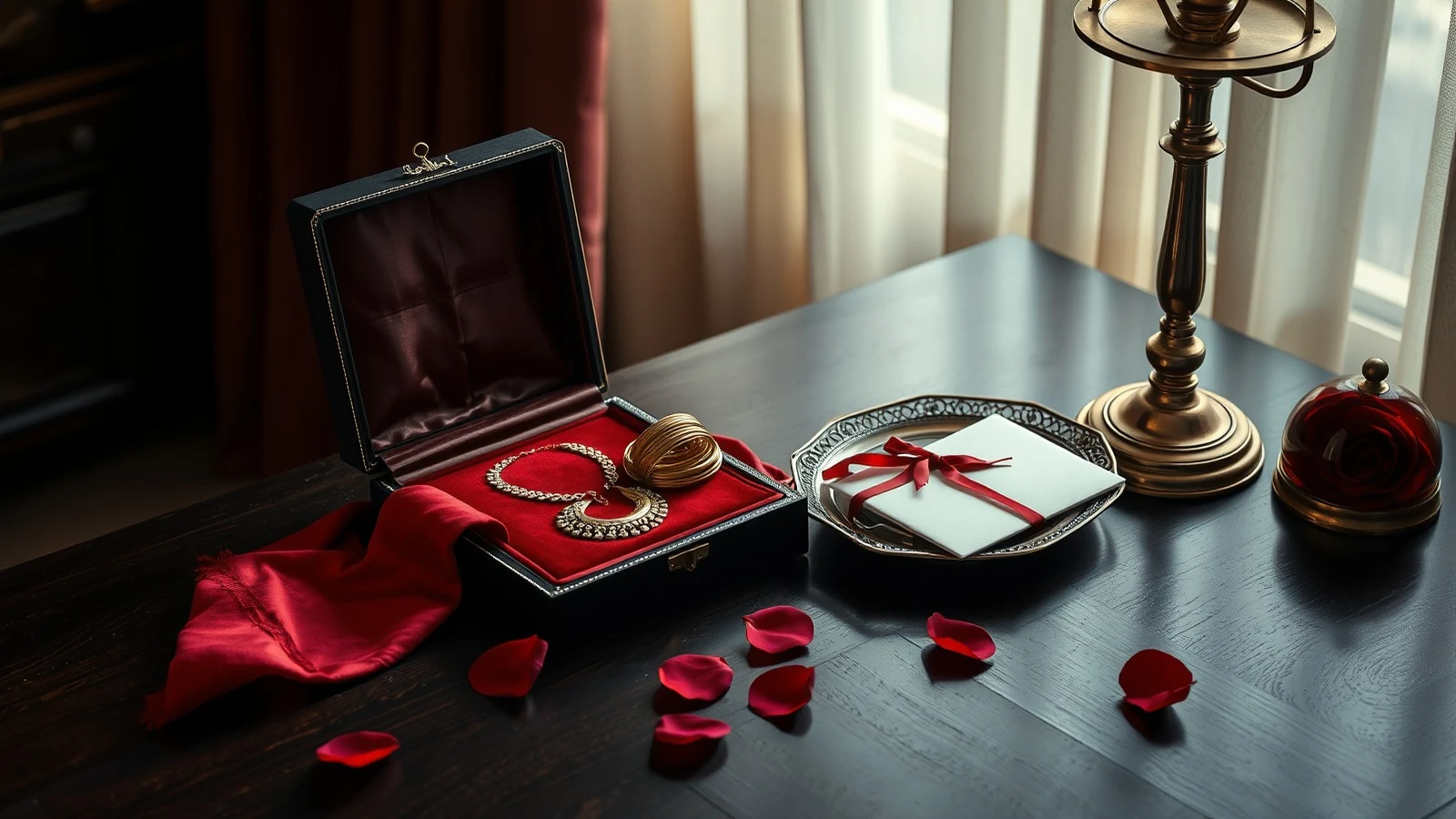
Mehr does not have to be cash. It can be gold jewellery, a property, a sum held in a deposit in the bride’s name, or anything of value that the bride accepts. Gold is common in India, both because it holds value and because it is easy to hand over at the nikah. If mehr is given as jewellery, record its weight and description in the nikahnama, so there is no later dispute about what was given and whether it was mehr or a gift.
Agreeing the mehr between families
Mehr is usually discussed between the elders of the two families, often at the time the marriage is agreed or at the engagement. It is a sensitive conversation, because the amount can be read as a statement about status on both sides. A few principles make it easier:
- Ask the bride what she wants. It is her right, and her view should come first.
- Agree an amount the groom can pay, preferably at the nikah.
- If part is deferred, set a date rather than leaving it open.
- Agree everything before the nikah, not during it, and tell the qazi the exact figure in advance.
How mehr is stated at the nikah
During the nikah, the qazi asks the bride, through her representative or directly, whether she accepts the groom in marriage for the agreed mehr, and states the amount. The groom is then asked whether he accepts the marriage on those terms. The offer and acceptance, the ijab and qubul, are made before the witnesses, and the mehr is spoken aloud as part of them. This is why the mehr must be agreed before the ceremony: it is not something to negotiate in front of the guests.
If the prompt mehr is paid at the nikah, it is usually handed over immediately after the ceremony, in an envelope or as jewellery, and many families note on the nikahnama that the prompt portion has been paid.
Common mistakes when fixing mehr
- Leaving it vague. “As per custom” or a figure with no form or timing invites disputes years later.
- Setting an unpayable deferred sum. A mehr everyone knows will never be paid gives the wife no real security.
- Treating it as the family’s money. The mehr is the bride’s. Her parents have no claim on it.
- Not recording jewellery properly. If gold is the mehr, record its weight and description, so it is not later confused with ordinary wedding gifts.
- Agreeing it without the bride. Her consent to the mehr is part of the marriage.
Mehr and the rest of the wedding budget
Mehr is a separate line from the cost of the wedding events. The groom’s side budgets for the mehr, the walima and its own gifts to the bride; the bride’s side typically budgets for the nikah dinner. Keeping the mehr outside the event budget makes sure it is paid in full, rather than squeezed by the cost of the walima. For the event costs, our Hyderabad wedding cost guide covers a typical nikah and walima in the city, and the walima guide covers the groom’s feast.
Sunni and Shia practice
Mehr is obligatory in both Sunni and Shia Islam, and both treat it as the wife’s own right. The schools differ on some details, such as the minimum amount, how an unspecified mehr is settled, and what happens to the mehr if the marriage ends before it is consummated. Shia families often refer to the mehr of Fatimah as the model, as many Sunni families do. For the detail of your own school, the qazi or the family’s scholar is the right person to ask, and they will usually raise it at the meeting before the nikah.
Mehr and NRI or mixed marriages
For a nikah held in India between partners who live abroad, the mehr is recorded in the Indian nikahnama in the same way, and many couples also register the marriage under the Special Marriage Act or in their country of residence. How a foreign court treats a mehr agreement varies widely by country; couples who expect to live abroad should take local legal advice about whether to record the mehr in a separate agreement as well. Our Muslim wedding traditions guide covers the other parts of the wedding.
Frequently Asked Questions
What is mehr in Islam?
Mehr is the gift of money or property the groom gives the bride in a Muslim marriage. It is commanded in the Quran, it belongs to the bride alone, and it is recorded in the nikahnama.
What is the difference between prompt and deferred mehr?
Prompt mehr is paid at the nikah or whenever the wife asks for it. Deferred mehr is owed at a later date, and in any case on divorce or the husband’s death.
What is the minimum mehr?
The Hanafi school, followed by most Sunni Muslims in India, sets a minimum of ten dirhams of silver. There is no maximum.
What is mehr-e-Fatimi?
The mehr Fatimah is said to have received on her marriage to Ali, commonly reckoned as 500 dirhams of silver. Families convert it to its current value.
Is mehr the same as dowry?
No. Mehr goes from the groom to the bride and is her right. Dowry goes from the bride’s family to the groom’s and is illegal in India.
Can the wife waive her mehr?
Yes, of her own free will, in whole or in part. The Quran allows the husband to accept what she chooses to give back. It must not be pressured.
Can mehr be paid in gold?
Yes. Mehr can be cash, gold, property or anything of value the bride accepts. Record the weight and description of any jewellery given as mehr in the nikahnama.
Who decides the amount of mehr?
It is agreed between the families, and the bride’s consent is required, because it is her right. It should be an amount the groom can actually pay.
Sources and further reading
Planning a nikah and walima? Tell us your dates and guest count and we will send a tailored plan and quote.
Begin Your Engagement
Want a real number for your wedding?
Tell us your city, guest count and dates. Team Velvet Knot will come back within 24 hours with an itemised budget.