Fariyas Resort Lonavala Wedding Cost 2026: Rates and Real Budgets
- The short answer
- Where the money goes
- 159 rooms, and what the capacity figures actually mean
- The location
- What it does well, and what it does not
- Season
- How it compares
- What to settle before signing
- Running a large wedding across eight rooms
- What to do with the guests between functions
- Frequently Asked Questions
- Sources and further reading
A wedding at Fariyas Resort Lonavala runs roughly Rs 30 lakh to Rs 70 lakh for 250 to 500 guests across two days, with published estimates putting a typical two-day wedding at Rs 30 to 50 lakh. With 159 rooms it is the largest-capacity accommodation in the Lonavala belt, which is the main reason to choose it.
The short answer
Budget Rs 30 lakh to Rs 70 lakh for a two-day wedding with 250 to 500 guests. Published estimates put a typical two-day wedding here at Rs 30 to 50 lakh, and the upper end of our range reflects a larger guest list with a heavier production budget.
Fariyas is the workhorse of the Lonavala belt. It is not the most beautiful property in the hills and it does not pretend to be. What it has is 159 rooms, eight banquet spaces, a lawn, and enough operational experience to run a full Indian wedding without drama, ninety minutes from Mumbai.
For a family that wants a resort wedding with a real guest list and does not want to fly anyone anywhere, that combination is hard to beat at this price.
Where the money goes
| Line | Typical range | Notes |
|---|---|---|
| Rooms, 2 nights | Rs 12 lakh to 28 lakh | 159 rooms, average rate quoted around Rs 8,000 |
| Venue and hall hire | Rs 3 lakh to 9 lakh | Eight banquet halls plus the lawn |
| Food and beverage | Rs 10 lakh to 30 lakh | In-house; alcohol served in-house too |
| Decor and production | Rs 6 lakh to 20 lakh | Modern venue, so decor carries the atmosphere |
| Entertainment | Rs 2 lakh to 12 lakh | In-house DJ available; Mumbai talent is a short drive |
| Photography and film | Rs 4 lakh to 15 lakh | Mumbai and Pune crews, no travel or long stays |
| Guest transfers | Rs 2 lakh to 5 lakh | Ninety minutes from Mumbai; many guests self-drive |
Decor runs higher here as a share of budget than at a heritage or hillside property, and that is the honest trade. Fariyas is a functional modern resort, so the atmosphere is built rather than found. Budget for it properly rather than assuming the setting will carry the evening. Our decor guide covers what that costs.
159 rooms, and what the capacity figures actually mean
The room count is consistent across sources at 159, and it is the strongest thing about the property. In the Lonavala belt, where most resorts sleep 40 to 100, that is a genuine differentiator: a 300-guest wedding can put almost everyone on site.
The event capacity figures need more care, because they conflict.
| Space | Capacity |
|---|---|
| Eight banquet halls | 40 to 125 each |
| Main banquet hall | 200 seated, 300 floating |
| Lawn | 300 seated, 350 floating |
| Quoted overall | 50 to 700, with one source citing 1,200 maximum |
Those numbers only reconcile if the large figures describe the whole property in use at once rather than any single space. The practical ceiling for one function in one place is around 300 to 350 on the lawn. A 700-guest wedding here means splitting across the lawn and multiple halls simultaneously, which is possible but is a different event from what most families picture.
If your reception needs everyone in one room looking at one stage, plan against the 300 figure and confirm it in writing. If your wedding is happy to spread across spaces, the property genuinely does absorb more.
The eight smaller halls are more useful than they look. A wedding with a mehendi, a haldi, a pooja and a cocktail evening can give each its own room without a single overnight reset, which is exactly the thing that goes wrong at venues with one large space.
The location
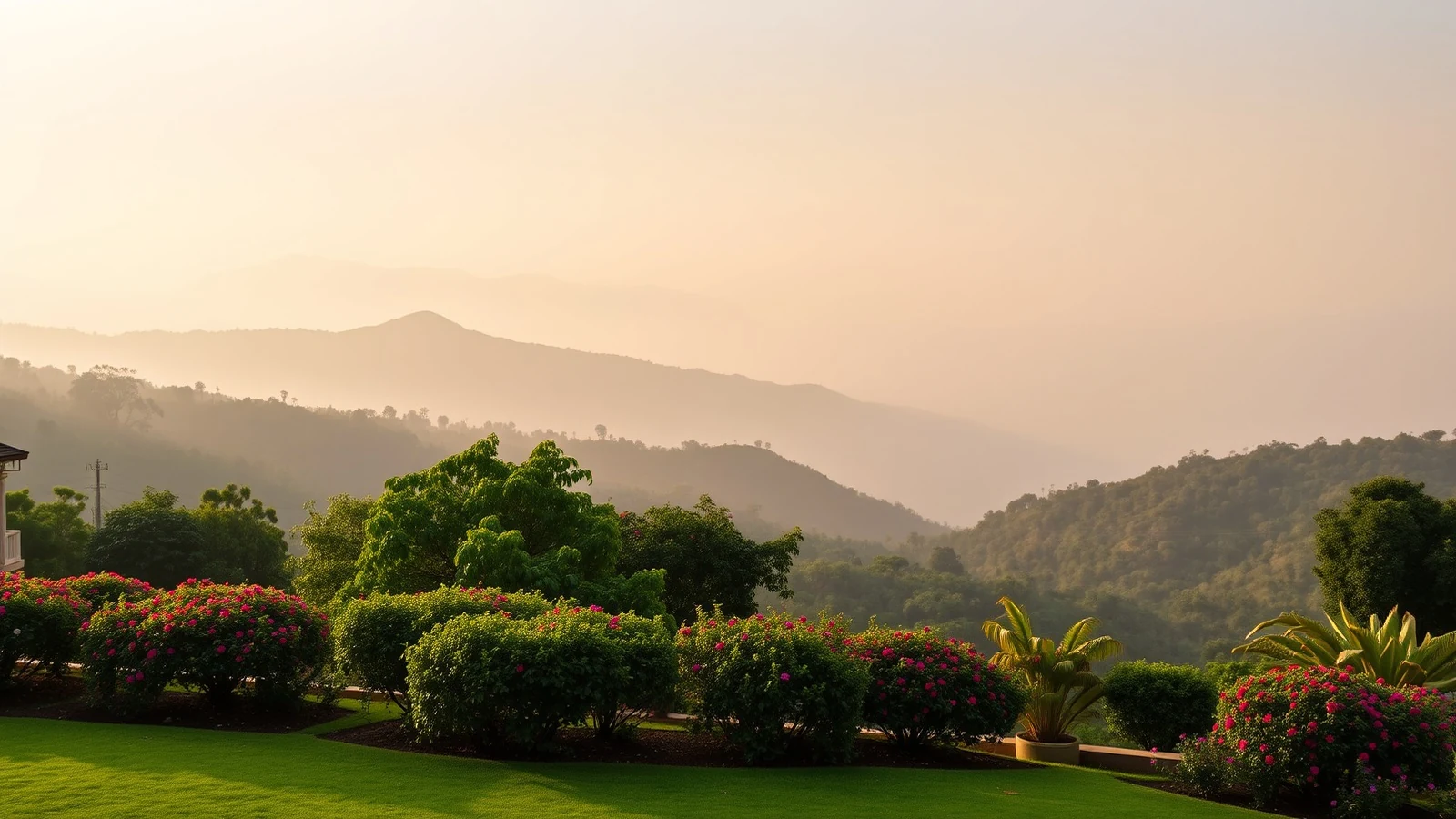
Fariyas sits in Tungarli, on the Lonavala side, close enough to the town that guests can get out for an hour and far enough that the resort feels separate. Views are over the hills and the Tungarli lake area.
It is roughly ninety minutes to two hours from Mumbai on the expressway and about an hour from Pune, which puts it in reach of both cities’ guest lists. For a Mumbai family with Pune relatives, or the reverse, this is a genuinely convenient neutral ground.
The town proximity matters more than families expect. Guests with a free afternoon can go into Lonavala, which is a real place with markets and chikki shops and viewpoints, rather than sitting in their rooms. At a remote property that same gap in the schedule is dead time.
What it does well, and what it does not
It does well: scale at a sensible price; multiple simultaneous functions; alcohol and DJ in-house without a separate licensing exercise; a short drive that keeps attendance high; and enough rooms that your wedding is not fragmented across three hotels.
It does less well: visual distinctiveness. This is a comfortable modern resort, not a heritage property or a design statement, and your photographs will look like a good resort wedding rather than an unrepeatable one. If the setting is the point of the wedding, Hilton Shillim or a Rajasthan palace is the better spend.
That is a real trade rather than a criticism. A large share of Mumbai families want their whole extended family present, well fed and comfortable, ninety minutes from home, and they would rather put the money into food and entertainment than into a view. For that wedding, Fariyas is a straightforwardly good answer.
Season
October to February is peak: dry, pleasant, green after the monsoon, and the most contested for dates.
June to September is the monsoon, when Lonavala is at its most beautiful and rates fall considerably. The risk is real and it is not a passing shower; plan every function under cover or do not book these months. Our monsoon wedding guide sets out how to do it properly.
March to May is hot but usable, and Lonavala stays a few degrees cooler than Mumbai or Pune, which is the reason the town exists.
Six to nine months of lead time covers most peak dates. Weekend dates in December and January are the hardest, because the belt serves two large cities at once.
How it compares
- Versus Hilton Shillim: Shillim is far more beautiful and takes roughly 150 guests. Fariyas takes three times that at lower cost per head. Guest count settles this.
- Versus Della Resorts: Della is the activity-led option with a younger energy. Fariyas is the more conventional resort wedding.
- Versus Aamby Valley: Aamby Valley is larger and grander with a bigger budget to match.
- Versus a Mumbai luxury hotel: a city wedding is easier still for guests but costs considerably more per head and gives you an evening rather than a weekend.
- Versus Goa: Goa needs flights and a longer commitment; the Lonavala belt is the version Mumbai families choose when they want the same format without the travel.
What to settle before signing
Settle the real seated capacity of the space you intend to use for your largest function, in writing. The published range of 50 to 1,200 is not usable for planning and the number that matters is the lawn’s, which is around 300.
Settle the room block and the release date. With 159 rooms held over two nights, a twenty percent no-show is a large sum, and held rooms are generally payable.
Settle per-plate by function and confirm whether alcohol is charged on consumption or as a package. In-house bar service is convenient and the pricing model changes the total materially.
Settle which of the eight halls you have and whether any are shared with other events. A resort of this size runs more than one function at a time.
Settle the wet-weather plan if any part of your wedding is on the lawn, whatever the season. Our venue selection guide covers the contract questions in full, and to price this against your real guest list and dates, send us the details.
Running a large wedding across eight rooms
The multi-space layout is the thing that makes Fariyas work at scale, and using it well is mostly a matter of planning the flow rather than the rooms.
Give each function its own space and never reset one during the wedding. With eight halls and a lawn there is no reason to, and overnight resets are where crews get tired and standards slip. A mehendi in one hall, a haldi in another, the cocktail evening in a third, and the lawn held for the ceremony and reception, is a schedule the property is built to run.
Ask which spaces share service corridors and kitchens. At a resort running two functions simultaneously the constraint is never floor area, it is the back of house, and a venue that can seat 700 across several rooms cannot necessarily plate hot food for all of them at once. Ask specifically how many covers the kitchen can serve in a single service window.
Plan the guest walk. Spread across eight halls and a lawn, guests move between spaces several times a day, and signage plus staff at the junctions is worth more than most families expect. Without it, a third of your guests spend the sangeet looking for the sangeet.
What to do with the guests between functions
Lonavala town is close enough that guests with a free afternoon can actually go somewhere, which is a genuine advantage over the remote hill properties and one families forget to use.
The town has markets, chikki shops, and viewpoints at Tiger’s Leap and Lion’s Point that are a short drive away. The Karla and Bhaja caves are within half an hour and make an unusual outing for guests who want something more than shopping. Arrange one organised excursion rather than leaving people to work it out, and it becomes part of the wedding rather than a gap in it.
The alternative is to run a tight two-day schedule with no dead time at all. Both work. What does not work is a four-day programme with two blank afternoons and no plan, which is when guests start leaving early.
Also on Velvet Knot: destination weddings near Mumbai and Pune.
Frequently Asked Questions
How much does a wedding at Fariyas Resort Lonavala cost?
Roughly Rs 30 lakh to Rs 70 lakh for 250 to 500 guests over two days. Published estimates put a typical two-day wedding at Rs 30 to 50 lakh, with the upper end reflecting larger guest lists and heavier production.
How many rooms does Fariyas Resort Lonavala have?
159 rooms, which is the largest accommodation capacity in the Lonavala belt and the main practical reason to choose it. Most resorts in these hills sleep 40 to 100.
How many guests can Fariyas hold?
For a single function in one space, around 300 seated on the lawn or 200 in the main banquet hall. Overall figures of 700 or 1,200 quoted by directories describe the whole property in simultaneous use, not one room. Confirm the number for your largest function in writing.
How far is Fariyas from Mumbai?
Around ninety minutes to two hours on the Mumbai to Pune expressway, and about an hour from Pune. That short drive keeps attendance close to city-wedding levels, which is one of the belt’s main advantages.
Does Fariyas serve alcohol and provide a DJ?
Yes, both in-house. Confirm whether alcohol is billed on consumption or as a package, because the difference is material on a large guest list, and check whether an outside DJ is permitted if you have one in mind.
Is Fariyas good for a multi-function wedding?
Yes, and this is an underrated strength. Eight banquet halls of 40 to 125 each mean a mehendi, haldi, pooja and cocktail evening can each have their own room with no overnight resets, which is where single-space venues struggle.
What does Fariyas not do well?
Visual distinctiveness. It is a comfortable, capable modern resort rather than a heritage property, so the atmosphere has to be built through decor. If the setting itself is the point of your wedding, spend the money at Hilton Shillim or a heritage venue instead.
Sources and further reading
Begin Your Engagement
Want a real number for your wedding?
Tell us your city, guest count and dates. Team Velvet Knot will come back within 24 hours with an itemised budget.