The Tivoli Chattarpur Wedding Cost 2026: Real Budgets, Spaces and Rooms
- The short answer: what a Tivoli Chattarpur wedding costs
- Cost breakdown
- The spaces and which function belongs where
- The 130 rooms and who actually stays over at a Delhi wedding
- The Chattarpur question: full-service hotel versus a bare farmhouse
- Worked example: 600 guests over three days
- South Delhi logistics: traffic, parking and arrival timing
- Who this venue is wrong for
- What is included versus charged separately
- Frequently Asked Questions
- Sources and further reading
A full wedding at The Tivoli, Chattarpur typically runs Rs 55 lakh to Rs 1.8 crore across three days. The number that matters is not the rental. It is that you are buying a full-service hotel with 130 plus rooms inside Delhi’s farmhouse belt, where almost every competing venue is a bare lawn you must build from scratch.
The short answer: what a Tivoli Chattarpur wedding costs
A complete wedding at The Tivoli, Chattarpur, run properly across two or three days, lands between Rs 55 lakh and Rs 1.8 crore in 2026. The lower end is a single-day wedding for roughly 250 guests using one lawn, a modest room block and restrained decor. The upper end is a three-day programme for 700 plus guests using multiple spaces, a large block of the property’s rooms, imported floral work and a headline performer. Most families we work with who choose this venue for a 500 to 700 guest wedding settle between Rs 1.1 crore and Rs 1.6 crore all in.
That band is wide because the venue itself is a small share of the total. Space charges at The Tivoli generally account for eight to twelve per cent of the final bill. Food, beverage and rooms together account for roughly half. Decor and production account for most of the rest. This is the same arithmetic that governs any wedding venue cost in India, but it is easier to lose sight of in Chattarpur, where families spend weeks negotiating a lawn rental and then discover that the rental was never the expensive part.
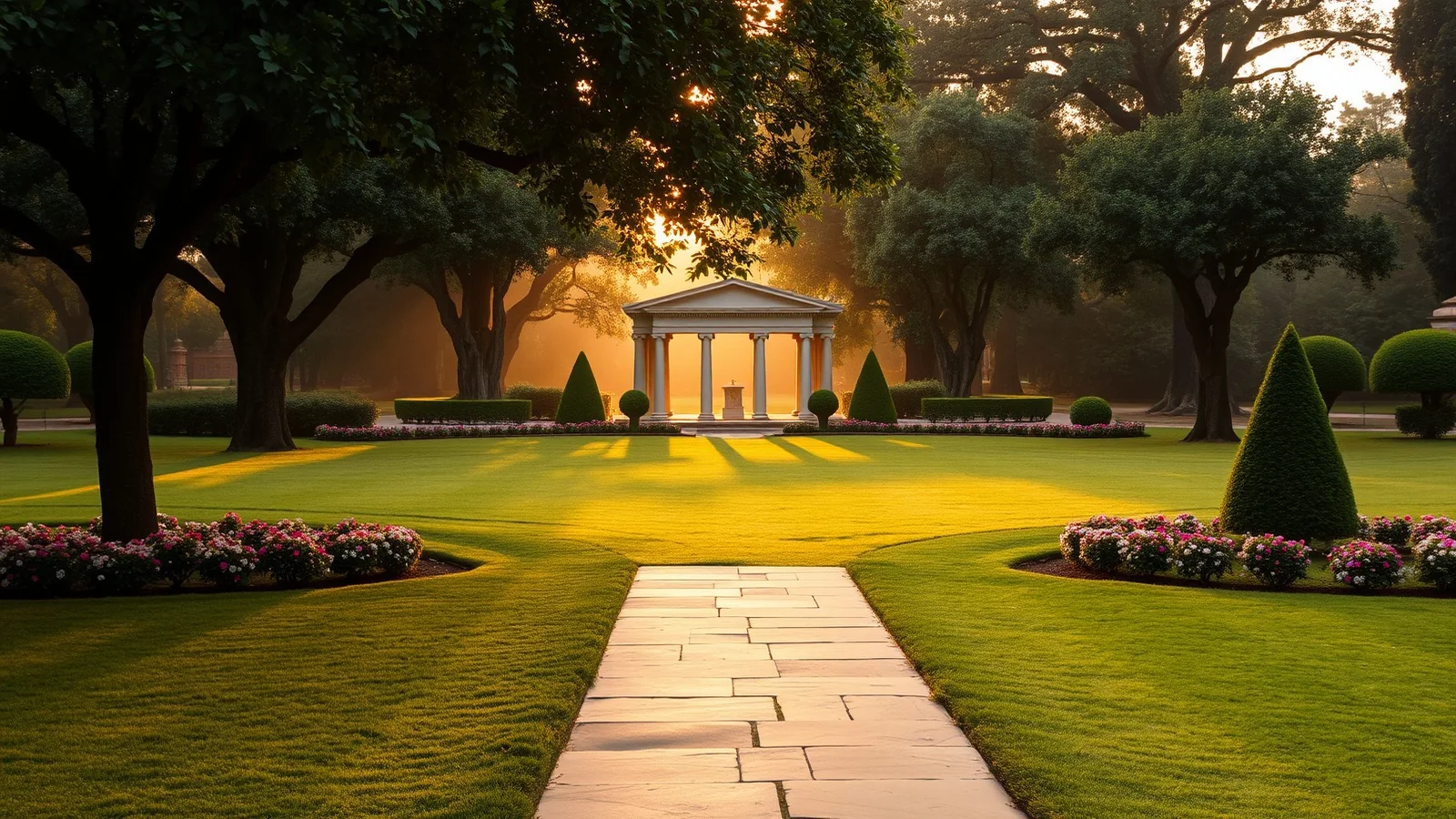
The specific reason The Tivoli sits where it does on price is that it is a hotel, not a farmhouse. It spreads across about ten acres of landscaped garden in Chattarpur, South Delhi, and carries more than 130 luxury rooms on site. It is generally described as the only full-service wedding hotel in the Chattarpur belt. That means a working commercial kitchen, permanent power, in-house banquet staff, licensed bars and beds for your out-of-town family, all inside the property line. You pay more per head than at a bare farmhouse and you save a great deal on everything you would otherwise have had to truck in. Which of those two numbers is larger depends entirely on your guest count and how many nights you are running.
Cost breakdown
| Line | Typical range | What moves it |
|---|---|---|
| Venue and space charge | Rs 3.5 lakh to Rs 12 lakh per day | Which space, peak season versus lean, whether you take the whole property, and whether the hotel waives rental against a food and beverage minimum guarantee |
| Catering, per plate | Rs 2,200 to Rs 4,200 per person | Vegetarian versus mixed menu, live counters, number of cuisines, dessert stations, whether the menu is fixed or bespoke |
| Bar and beverages | Rs 900 to Rs 3,000 per person, per function | Soft bar versus IMFL versus premium imported, corkage if you bring your own stock, duration of service |
| Guest rooms | Rs 8,500 to Rs 18,000 per room, per night | Season, size of the block, whether breakfast and taxes are bundled, how many nights you commit to upfront |
| Decor, flowers and staging | Rs 8 lakh to Rs 45 lakh | Number of separate setups, fresh imported flower content, whether structures are built or hired, turnaround time between functions |
| Production, entertainment and content | Rs 12 lakh to Rs 40 lakh | Sound and light scale, DJ versus live band versus a named artist, size of the photo and video team, drone and same-day edit |
Two lines on that table hide the most negotiation. The first is the minimum guarantee. Hotels in this belt rarely quote a flat rental and stop there. They quote a rental that softens or disappears once your food and beverage spend crosses a threshold. If you are bringing 600 guests for three days, you will cross almost any threshold they name, so the rental conversation is close to academic and your energy is better spent on the per-plate rate.
The second is beverages. Delhi weddings drink, and the bar line is routinely underestimated by a factor of two. A three-day event with an open IMFL bar for 600 guests will not come in under Rs 8 lakh, and if the family serves imported single malt at the sangeet it can pass Rs 20 lakh on its own. Ask early whether the hotel permits guest-supplied liquor against a corkage fee, what that fee is per bottle, and whether the L-1 licensing paperwork is handled by the property or by you. In Delhi that answer materially changes the budget.
The spaces and which function belongs where
The property is built to hold anywhere from about 30 guests to a maximum of roughly 2,000, with around 1,260 workable in a floating format. That range is not marketing. It reflects genuinely different rooms rather than one hall with movable partitions, which is why the venue can run an intimate mehendi and a large reception on the same weekend without either feeling wrong.
Oakwood Lawn takes about 300 seated and 400 floating. This is the outdoor centrepiece and the natural home for a winter phera or a seated garden lunch. Open lawns in Delhi are wonderful from late October to mid March and difficult outside that window, so the calendar dictates how hard you can lean on this space. If your date falls in April or September, treat the lawn as an arrival and cocktail area and put the seated meal indoors.
Oakwood Hall is the volume space, at roughly 375 seated and up to 2,000 floating. Any function where the number is large and the format is standing, a reception line, a big sangeet, a cocktail evening, belongs here. The gap between the seated and floating figures is the single most useful planning fact on this property. If you are set on a seated dinner for 600, no one room holds it comfortably, and the honest answer is a combined lawn and hall plan with the marquee and weather cover that implies.
Oyster Greens is the indoor banquet, around 200 seated and 400 floating. It is the right room for a mehendi, a haldi, an engagement, a family lunch or a sundowner for the immediate circle. It is also your insurance policy. Delhi throws unseasonal rain and dense winter fog, and having a genuine indoor alternative already contracted is worth more than any tenting quote.
The night club space holds about 150 seated and 350 floating and exists for the function that runs late. Delhi has real noise restrictions on outdoor amplified sound after 10 pm, and the practical consequence at most Chattarpur farmhouses is that the party either stops or moves somewhere it should not. An enclosed indoor club on the same property, with guests sleeping upstairs rather than driving home, solves a problem that costs other families their after-party entirely. Budget Rs 2 lakh to Rs 6 lakh for a good after-party depending on the artist and the bar format.
The 130 rooms and who actually stays over at a Delhi wedding
Families planning a Delhi wedding often assume the room block barely matters, because Delhi guests live in Delhi. That assumption survives the first draft of the guest list and never the second. In practice a 600 guest South Delhi wedding usually needs somewhere between 45 and 80 rooms, and the property’s 130 plus rooms mean you can take that block without a shuttle plan.
The people who genuinely stay over are the out-of-town side of the family, which for a Delhi wedding usually means relatives from Punjab, Uttar Pradesh, Rajasthan, Mumbai or abroad. Then there is the baraat party if the groom’s family is travelling in, and they will want a contiguous block for the getting-ready sequence. Then elderly relatives who cannot manage a late night plus a drive across the city. Then the couple and the immediate family, who need a room on the property from the morning of the first function to the afternoon after the last. Then, and planners forget this line constantly, the vendors. Your photographers, makeup team, choreographer and production crew will need three to six rooms, and if you do not book them the crew will be commuting from Noida at 5 am on the wedding morning.
At Rs 8,500 to Rs 18,000 per room per night, a block of 60 rooms for three nights is between Rs 15 lakh and Rs 32 lakh. That is a large number, and it is also the number that most clearly separates The Tivoli from a bare farmhouse, where the equivalent spend goes to a nearby hotel plus coaches, drivers and a shuttle coordinator, and buys you a worse guest experience. Negotiate the block as a single commitment rather than room by room, ask for complimentary rooms against the block, typically one free per fifteen to twenty paid, and confirm whether breakfast and taxes sit inside or outside the quoted rate. That last question alone moves the room line by close to a fifth.
The Chattarpur question: full-service hotel versus a bare farmhouse
This is the real decision. Chattarpur is Delhi’s farmhouse wedding belt, and most of what you will be shown there is land. Beautiful land, often, with mature trees and a driveway, but land. The rental buys you the ground and very little else. Everything that makes a wedding function, the kitchen, the power, the toilets, the staff, the bar licence, the beds, arrives on a truck and leaves on a truck. The Tivoli sits in that same belt and sells the opposite proposition. Understanding what that swap actually costs is the whole point of this page, and it is worth reading alongside our broader guides to farmhouse wedding cost in India and 5-star hotel wedding cost in India, because this venue sits between the two.
| Line | Bare Chattarpur farmhouse | The Tivoli, Chattarpur |
|---|---|---|
| Headline rental | Rs 2.5 lakh to Rs 8 lakh per day, often cheaper on paper | Rs 3.5 lakh to Rs 12 lakh per day, frequently waived against a food and beverage guarantee |
| Kitchen and catering | Outside caterer, temporary kitchen built on site, gas and water logistics on you | Permanent commercial kitchen, in-house banquet team, single point of accountability |
| Power | Hired DG sets, fuel, cabling and a technician on standby, Rs 2 lakh to Rs 6 lakh | Hotel supply with existing backup, no separate line |
| Washrooms and back of house | Portable units hired in, plus staff to service them | Permanent hotel facilities, serviced by hotel staff |
| Guest rooms | None. Book a hotel elsewhere and run shuttles, plus a coordinator to manage them | 130 plus rooms on site, guests walk to their bed |
| Late-night functions | Outdoor sound restrictions bite hard, the party usually ends | Enclosed indoor club space, guests already on property |
| Weather contingency | Tenting and flooring quoted separately, often Rs 5 lakh plus | Indoor banquet already contracted as backup |
| Realistic all-in swing | Cheaper only below roughly 250 guests on a single day | Usually equal or cheaper above 400 guests across two or more days |
The crossover point is the useful takeaway. For a small single-day wedding, a bare farmhouse genuinely is cheaper, because you are not paying for infrastructure you barely use. Once you cross roughly 400 guests, or once you add a second day, the farmhouse economics reverse. You are now building a temporary hotel from nothing, twice, and paying a premium for every hired item. The hotel that already exists starts to look like the frugal option.
The second takeaway is about risk rather than money. A bare farmhouse wedding has fifteen to twenty independent vendors on site, each responsible for one system, and no single party responsible for whether the whole thing works. When the generator fails at 9 pm, nobody owns that failure. In a full-service hotel, the property owns it. Families rarely put a rupee value on that, but it is the difference between a planner spending the wedding day on hospitality and spending it on crisis management.
Worked example: 600 guests over three days
The assumptions below are a realistic winter-season programme. Day one is a mehendi and lunch in Oyster Greens for about 400. Day two is a sangeet in Oakwood Hall for the full 600. Day three is the wedding, with the phera on Oakwood Lawn and dinner across the lawn and hall. Roughly 55 rooms are blocked for three nights.
| Line | Assumption | Cost |
|---|---|---|
| Venue and space charges | Three days across the lawn, hall and indoor banquet, partly offset against the food and beverage guarantee | Rs 12,00,000 |
| Catering | About 1,600 covers across three main meals at an average Rs 2,900 per plate | Rs 46,40,000 |
| Bar and beverages | IMFL package across sangeet and wedding night, soft bar at the mehendi | Rs 9,00,000 |
| Guest rooms | 55 rooms for three nights at an average Rs 11,000, breakfast included | Rs 18,15,000 |
| Decor, florals and staging | Three distinct setups, fresh flower led, one built structure for the phera | Rs 16,00,000 |
| Sound, light, stage and AV | Full production for the sangeet, lighter rigs for the other two days | Rs 7,50,000 |
| Entertainment | Dhol, DJ across two nights, one live act at the sangeet, choreographer | Rs 6,00,000 |
| Photography and film | Two teams, drone, same-day edit for the reception | Rs 9,00,000 |
| Planning and management fee | Approximately ten per cent of the managed spend | Rs 12,00,000 |
| Taxes and service charges | GST and service on the hotel-billed lines | Rs 15,00,000 |
| Total | 600 guests, three days, 55 rooms | Approximately Rs 1.51 crore |
Move any one assumption and the total moves hard. Drop the guest count to 400 and the total falls to roughly Rs 1.05 crore, because catering and bar scale almost linearly. Compress to two days and you save close to Rs 20 lakh across venue, rooms and one decor setup. Push the decor into imported floral territory and add a named performer and you clear Rs 2.2 crore without touching the guest list. For context on how the management fee is structured, see our note on wedding planner cost in India. Weddings that run past Rs 5 crore are a different exercise entirely and we handle those through by invitation.
South Delhi logistics: traffic, parking and arrival timing
Chattarpur sits on the southern edge of Delhi, off the Mehrauli Gurgaon Road corridor, and the arrival experience is decided by traffic rather than by the venue. Guests coming from central and south Delhi will take between 30 and 60 minutes depending on the hour. Guests from Gurgaon are close, often under 30 minutes. Guests from Noida, Ghaziabad or north Delhi should be told plainly to allow 75 to 90 minutes, and should be told it twice, because they will not believe the first message. Indira Gandhi International Airport is a straightforward run, which matters for the international side of the family.
The operational rule is that the invitation time is not the arrival time. In Delhi, a 7 pm card produces a room that is a third full at 8 pm and comfortable by 9. Build the run sheet around that reality rather than against it. Schedule the first hour as a genuine cocktail and canape window with music and staffed bars, not as dead time, and hold the stage moments until the room is actually there. Families who fight this end up performing their sangeet opening to an empty hall.
Parking is the second variable. Chattarpur properties sit on wide plots and generally have on-site parking, but a 600 guest wedding in Delhi arrives in something like 250 to 320 cars, most with drivers who will stay for five hours. Confirm the parking count in writing, arrange valet with a proper key management system, and specify a marshalled driver waiting area with drinking water, tea and toilet access. This is not a soft courtesy. Drivers who have nowhere to sit end up parked on the approach road, and a blocked approach road is the single most common way a Chattarpur wedding creates a bad first impression. Also confirm the delivery and load-in window with the hotel, since the same road cannot absorb decor trucks and guest cars simultaneously. For a wider view of city-level pricing, see our Delhi wedding cost guide.
Who this venue is wrong for
Four cases, stated plainly.
The intimate wedding under 80 guests. The property can technically host from around 30 people, but a ten acre garden estate built for 2,000 will make 60 guests feel like a rehearsal. You will also pay indirectly for infrastructure you are not using. A boutique hotel or a private residence will give a small wedding better proportion and warmth for less money.
The family that wants a seated dinner for 600 in one room. The largest indoor seated capacity here is around 375. Six hundred seated in a single space is not what this property does. You can achieve it with a combined lawn and hall plan, but if a single grand banquet hall is the non-negotiable image in your head, look at the large city hotels instead.
The family bringing its own caterer. The whole economic logic of a full-service hotel is in-house food and beverage. If your family has a caterer it has used for three generations and will not change, you are paying hotel prices for infrastructure while fighting the hotel on the line that funds it. Take a bare farmhouse and bring your own team.
The destination wedding buyer. If the brief is that guests should feel they have travelled somewhere, Chattarpur is still Delhi. Your guests will arrive from their own homes, in their own cars, and leave the same night. That is a strength for a Delhi family wedding and a weakness for anyone chasing the sense of an escape. Udaipur, Jaipur and Goa answer that brief.
What is included versus charged separately
Get this list resolved in writing before you sign, because the gap between an attractive quote and the final invoice lives almost entirely here. Typically included in a full-service package at a property of this type are the space itself for the contracted hours, standard banquet furniture such as round tables, chairs and basic linen, house sound within the banquet spaces, ambient lighting, power and backup, washroom facilities and servicing, banquet service staff at a standard ratio, standard crockery and cutlery, water and basic soft beverages during service, on-site parking, and housekeeping and security across the property.
Charged separately, almost always, are the following. Decor and floral work of any real ambition, including mandap and stage builds. Specialist chair or linen upgrades beyond the house stock. Production sound and lighting for a sangeet, since house sound is built for speeches, not for a live band. LED walls and AV. Alcohol, whether supplied by the hotel or brought in against corkage. Live counters and premium menu additions above the contracted per-plate rate. Extended service hours past the contracted end time, usually billed hourly and not cheaply. Room nights beyond the committed block. Vendor meals, which for a 600 guest wedding means 60 to 90 crew covers you must budget for. And GST, which at 18 per cent on a Rs 1 crore hotel-billed spend is not a rounding error.
Three clauses deserve specific attention. First, the cancellation and postponement schedule, expressed as a percentage of contract value by date, since Delhi winter dates are booked twelve months out. Second, the outside vendor policy, which determines whether your chosen decorator can work on site and what security deposit applies. Third, the force majeure and weather clause, which should say clearly what happens if an outdoor function has to move indoors at four hours notice and who bears the cost. If you would like these reviewed against a live quote you have received, send it to us through get a quote and we will mark up the gaps.
Frequently Asked Questions
How much does a wedding at The Tivoli, Chattarpur cost in 2026?
Expect Rs 55 lakh to Rs 1.8 crore for a complete wedding, with most three-day events for 500 to 700 guests landing between Rs 1.1 crore and Rs 1.6 crore once catering, bar, rooms, decor, production and taxes are counted. A single-day wedding for around 250 guests can be delivered nearer Rs 55 lakh to Rs 70 lakh.
What is the maximum number of guests the venue can hold?
The property hosts a minimum of about 30 guests and a maximum of roughly 2,000, with around 1,260 workable in a floating setup. Oakwood Hall takes about 375 seated and up to 2,000 floating, Oakwood Lawn about 300 seated and 400 floating, and Oyster Greens about 200 seated and 400 floating.
Is The Tivoli cheaper than a bare Chattarpur farmhouse?
Below roughly 250 guests on a single day, a bare farmhouse is usually cheaper. Above about 400 guests, or across two or more days, the full-service hotel is frequently equal or cheaper all in, because you stop paying to hire kitchens, generators, portable washrooms, tenting and off-site rooms with shuttles.
How many rooms should we block for a 600 guest wedding?
Between 45 and 80 rooms is the realistic range. The property carries more than 130 luxury rooms, so a block of that size is comfortable. Remember to include three to six rooms for your photography, makeup and production crew, which is the line families forget most often.
Can we bring our own caterer or decorator?
Decor is almost always open to outside vendors against a security deposit and an approval process. Catering usually is not, because in-house food and beverage is how a full-service hotel prices the rest of the event. If bringing your own caterer is non-negotiable, a bare farmhouse in the same belt is the better structural fit.
How far in advance should we book a winter date?
Twelve months for a peak winter saaya date between late October and mid February, and nine months for anything else. Rates in the peak window sit at the top of every range on this page, and the lean season, broadly late March through August, can be twenty to thirty per cent softer if your dates are flexible.
Sources and further reading
- Tivoli Garden Resort Hotel, official site, for current venue capacities, room inventory and enquiry contacts.
- Delhi Tourism, Government of NCT of Delhi, for official city information, seasonality and travel guidance for out-of-town guests.
- Britannica: Delhi, for geography, climate and background on the city and its southern districts.
Begin Your Engagement
Want a real number for your wedding?
Tell us your city, guest count and dates. Team Velvet Knot will come back within 24 hours with an itemised budget.