Mehndi Outfit Ideas: What the Bride and Guests Should Wear
- The mood: why mehndi outfits are the most joyful of the week
- Bridal mehndi outfit ideas: silhouettes that work
- Sleeves and hands: dressing around wet henna
- Colours and craft: green, mustard, fuchsia and the techniques that pop
- Guest mehndi outfits: festive, not competing
- Jewellery, footwear and floral accessories
- Budget versus designer: getting it right for a single function
- Coordinating with the mehndi decor
- What the mehendi function costs
- Related pre-wedding rituals
- Frequently Asked Questions
- Sources and further reading
The mehndi is playful, colourful and long. This guide covers bridal mehndi outfit ideas, guest looks, mirror work, gota and bandhani, jewellery, footwear, and the comfort tricks that matter when henna dries for hours.
The mood: why mehndi outfits are the most joyful of the week
Of all the pre-wedding functions, the mehndi is the one that gives you permission to be loud. Where the wedding day leans regal and the reception leans polished, the mehndi is bright, informal and built around movement, marigolds and music. That mood should drive every mehndi outfit decision you make, for the bride and for the people cheering her on.
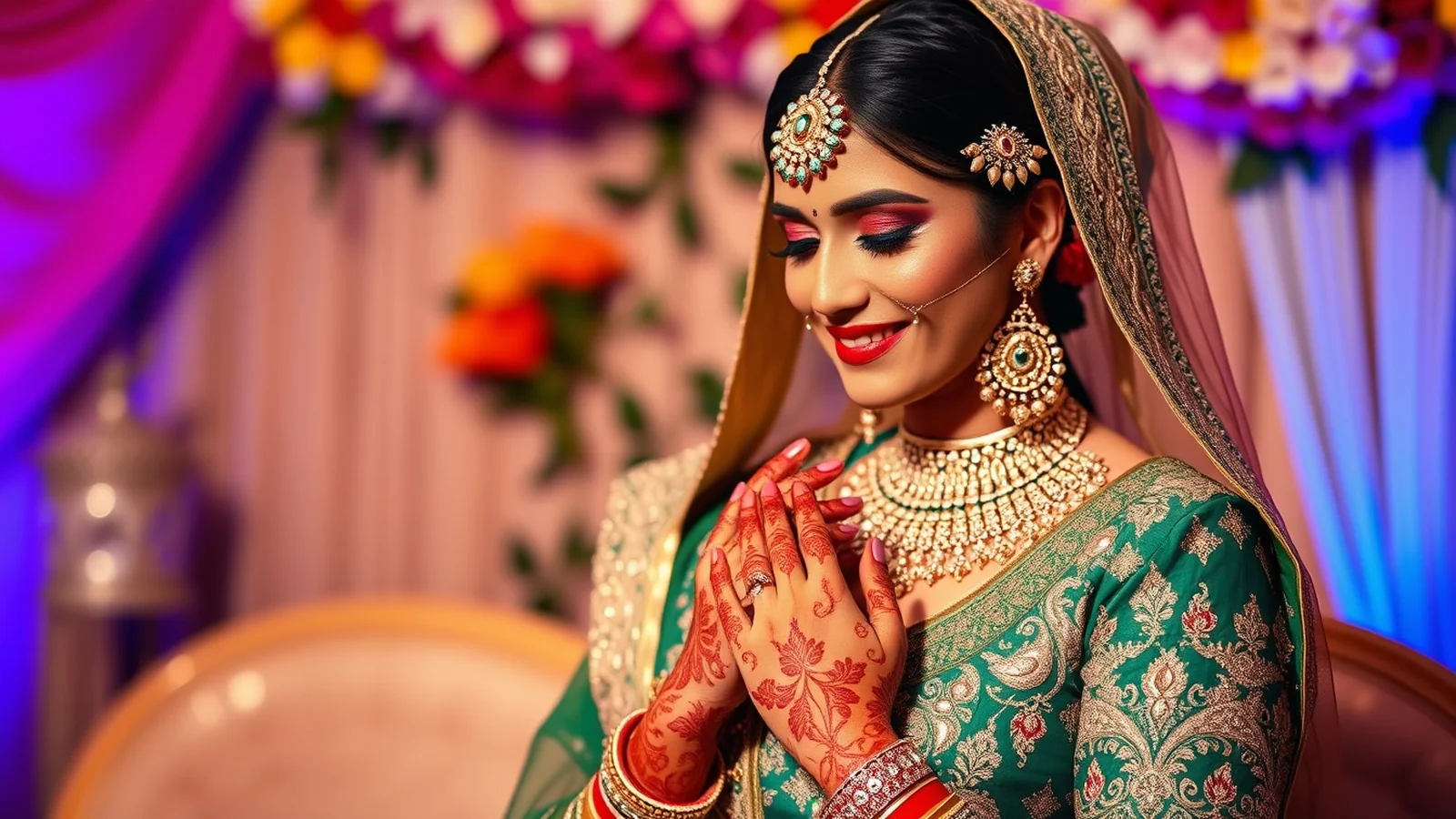
Traditionally the palette is festive and citrus-forward: leaf green, mustard yellow, marigold orange, fuchsia pink and busy multicolour prints. These shades photograph beautifully against genda phool (marigold) backdrops and mirror-work decor, and they carry a symbolic charge too. Green signals fertility and new beginnings, yellow signals auspiciousness and the same haldi-linked energy that runs through the morning ceremonies. Craft techniques amplify the joy: mirror (shisha) work, gota patti, bandhani tie-dye and Rajasthani leheriya all catch light and read as celebration rather than formality.
Because the mehndi and haldi often share a morning or run back to back, many couples coordinate the two. If you are planning both together, our haldi and mehndi decoration ideas guide helps you match the outfit palette to the flowers, drapes and seating you are building the day around.
Bridal mehndi outfit ideas: silhouettes that work
The bride sits at the centre of the mehndi, often for two to four hours, while an artist works henna up both arms and both feet. That single fact should shape her outfit more than any trend. The best bridal mehndi looks are the ones that stay beautiful while she is seated, still and slightly stuck.
The most-loved silhouettes:
- Lehenga sets in lightweight georgette or cotton-silk. A twirl-friendly lehenga with a short or cropped blouse reads festive without the weight of a bridal-day skirt. Keep the skirt volume moderate so you can sit cross-legged comfortably.
- Sharara sets, the wide flared-from-the-knee trousers that fan out when you sit. Shararas are made for floor seating and look effortlessly full in photos even when you are not moving.
- Gharara sets, with the signature gathered ruffle at the knee, for brides who want an old-Hyderabad, Nizami feel. Deeply traditional and very comfortable.
- Palazzo and kurta sets for brides who want minimum fuss. A printed or gota-trimmed kurta with palazzos is the easiest thing to sit in for hours and still looks intentional.
Whatever the shape, favour breathable fabrics: cotton, mulmul, chanderi, georgette and light silk-blends. Skip heavy velvet and stiff raw silk for this function; they crease under a seated bride and trap heat under mandap lights. If you are still deciding how much to invest across the wedding week, our bridal lehenga cost guide is a useful reality check before you allocate budget to a mehndi-only outfit.
Sleeves and hands: dressing around wet henna
This is the detail most brides wish someone had told them. Henna takes time to dry and hours to properly cure, and anything that touches a fresh design will smudge it. Your outfit has to work with that constraint, not against it.
- Sleeves that push up and stay up. Choose sleeveless, cap sleeves, or sleeves cut wide enough to fold above the elbow. Fitted full sleeves that need to be tugged down are a problem when both your hands are covered in wet paste.
- Avoid heavy sleeve embroidery near the wrist. Beading and mirror work at the cuff will catch on drying henna. Keep the wrist zone clean and light.
- Think about how you will eat and drink. You will be fed by others for a while. A top you can slip on and off without pulling over freshly done hands (front-open, back-tie or button styles) saves a lot of stress.
- Dupatta strategy. A lightweight dupatta you can drape and forget beats a heavy one you keep adjusting with hennaed hands. Many brides pre-pin the dupatta so it stays put through the sitting.
Booking the artist early matters as much as the outfit, because a slow, detailed bridal design is what dictates how long you are immobile. Our mehndi artist cost guide explains what bridal versus guest application typically costs and how long each takes, so you can plan the sitting around your outfit and the schedule.
Colours and craft: green, mustard, fuchsia and the techniques that pop
Colour is where the mehndi earns its reputation. You are not restricted to one shade, and the most striking brides often lean into contrast and multicolour rather than a single safe tone.
Colours that carry the function:
- Green, from bottle to lime to bandhani green, the classic mehndi colour and the one most tied to tradition.
- Mustard and marigold yellow, which tie the outfit to the flowers and to any haldi element in the day.
- Fuchsia and rani pink, high-energy and endlessly photogenic against greenery.
- Orange and rust, warm, festive and very flattering in golden-hour light.
- Multicolour, via leheriya, bandhani or gota-patchwork, for brides who want maximum celebration.
Craft techniques worth seeking out: mirror (shisha) work that sparkles in daylight and fairy lights; gota patti, the gold-ribbon appliqué that is practically synonymous with festive North Indian and Rajasthani wear; bandhani, the tie-dye dotting from Gujarat and Rajasthan; and leheriya, the diagonal wave-dye that is instantly recognisable and very mehndi-appropriate. A single strong technique, say a mirror-work blouse or a leheriya dupatta, does more than piling on several. If you are matching the outfit to a broader visual concept, our wedding theme ideas can help you keep the mehndi consistent with the rest of the celebration.
Guest mehndi outfits: festive, not competing
Guests at a mehndi have the easiest and most fun brief of the whole wedding week: be colourful, be comfortable, and do not out-dress the bride. This is not a formal reception, so heavy gowns and dark, sober colours feel out of place.
Strong guest options:
- Anarkalis, shararas and palazzo-kurta sets in bright, printed or gota-trimmed fabrics. Easy to move and dance in.
- Lehengas in citrus and jewel tones for close family, kept lighter and less embellished than the bride’s.
- Bandhani or leheriya sarees and suits, which read festive and traditional without much effort.
- Yellow, green, orange and pink as safe, celebratory bets. Avoid heavy red (too bridal) and all-white or black (too sombre for this function).
If your guests are travelling from outside India or are unsure how dressy to go, point them to our broader guide on what to wear as an Indian wedding guest, and if the mehndi rolls into a sangeet the same evening, our sangeet outfit ideas cover the slightly dressier evening shift.
Jewellery, footwear and floral accessories
Mehndi jewellery is deliberately relaxed. Because your hands are the canvas, you scale back on hand jewellery and let the henna be the ornament. Bangles go on after the henna is done, or you skip them entirely on the working hand during the sitting.
- Oxidised silver, the go-to mehndi jewellery: jhumkas, layered necklaces, statement rings and anklets that suit the boho-festive mood.
- Floral jewellery, made from fresh or preserved flowers, that ties directly into the marigold decor. Floral maang tikka, haathphool and gajra are mehndi signatures.
- Mirror-work and kundan-light pieces for a bit more shine without heaviness.
Footwear: keep it flat and easy. Juttis, kolhapuris and embellished flats are ideal because you will be seated, then dancing, often on grass or carpet. Skip tall heels; they fight both the floor seating and the henna on your feet if you are getting foot designs done. Hair and florals: a loose braid or bun dressed with a gajra (fresh jasmine or marigold strings) is the classic mehndi hair story. Floral hair vines, single-flower tucks and a light maang tikka finish the look without competing with the henna.
Budget versus designer: getting it right for a single function
The mehndi is, for most brides, a one-wear outfit. That reality should temper how much you spend. A common and sensible approach is to invest the largest share of the wardrobe budget in the wedding and reception looks, and treat the mehndi as the place to be creative rather than expensive.
Budget-smart moves: shop the festive and Navratri collections, which overflow with mirror work, bandhani and gota at accessible prices; rent a designer piece for a single wear; or repurpose a well-made kurta set you already own with new floral jewellery. Boutique and pret labels in Hyderabad and online carry mehndi-appropriate colour and craft at a fraction of couture pricing.
When designer is worth it: if the mehndi is a large, photographed event and the outfit will anchor a lot of imagery, a bespoke sharara or gharara with genuine gota and mirror work can be justified. Even then, the smart spend is on fit and fabric that let you sit comfortably, not on weight for its own sake. If you want a considered, whole-week wardrobe plan rather than piecemeal buying, our team can help; you can request a quote and we will map outfits, budget and timelines across every function.
Coordinating with the mehndi decor
The outfits and the decor are one picture, and the brides who look best in their mehndi photos are almost always the ones who planned the two together. Start from the decor palette and work the wardrobe into it, not the other way around.
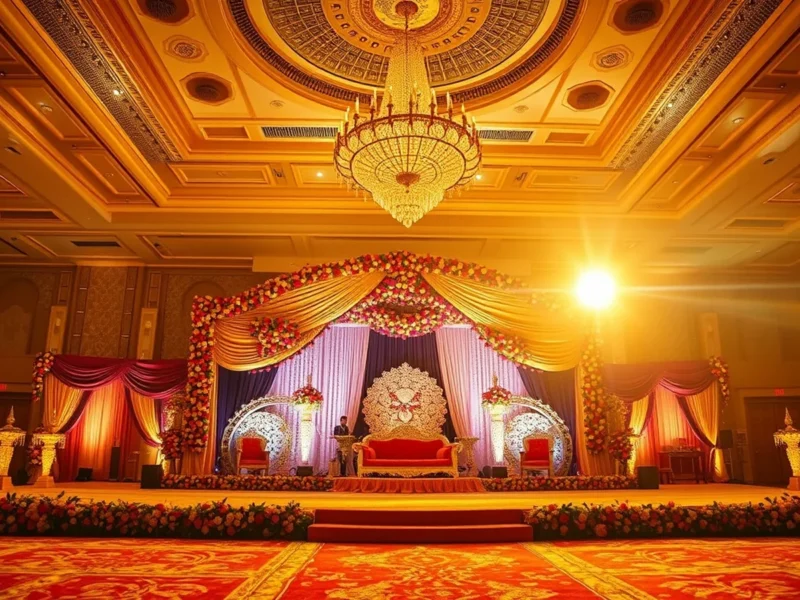
If your mehndi decor is marigold-and-green with mirror-work seating and phoolon ki chaadar backdrops, a fuchsia or mustard outfit will pop against it; a green-on-green look risks disappearing into the flowers. If the decor is a softer pastel-and-gota affair, a brighter outfit gives the frame a focal point. Coordinate the family loosely too: a shared accent colour across close relatives reads intentional in group photos without looking like a uniform.
Practical decor-and-outfit alignment also matters. Low floor seating and bolsters call for shararas, gharara and lehengas that sit well cross-legged; a raised swing or jhoola centrepiece flatters a fuller lehenga. Build the flowers, the seating and the outfits as a single brief and the day photographs as one cohesive celebration. Our haldi and mehndi decoration ideas pair directly with everything above so the whole morning, decor and dress, holds together.
Planning a luxury wedding?
Tell us your dates and vision. Team Velvet Knot will put together a tailored plan and an honest budget.
What the mehendi function costs
Related pre-wedding rituals
Frequently Asked Questions
What colour should the bride wear for her mehndi?
Green and yellow are the most traditional, tied to fertility and auspiciousness, but fuchsia, orange, mustard and multicolour leheriya or bandhani are all popular and photograph beautifully. Choose a colour that contrasts with your marigold decor rather than blending into it.
What is the most comfortable outfit for sitting through a long mehndi?
Shararas, gharara and light lehenga or palazzo sets in breathable cotton, mulmul, chanderi or georgette. Avoid heavy velvet and stiff silk. Pick sleeves you can push above the elbow and a dupatta you can pre-pin so you are not adjusting anything with hennaed hands.
What should guests wear to a mehndi?
Bright, festive and easy to move in: anarkalis, shararas, palazzo-kurta sets, or bandhani and leheriya suits in yellow, green, orange or pink. Avoid heavy red, which looks too bridal, and all-white or black, which feel too sombre for the function.
What jewellery works best with mehndi?
Oxidised silver, floral jewellery made from fresh marigold or jasmine, and light mirror or kundan pieces. Keep hand jewellery minimal so the henna stays the focus, and add bangles only after the design has dried.
What footwear should I wear for a mehndi?
Flats: juttis, kolhapuris or embellished slip-ons. You will be seated for the henna and then dancing, often on grass or carpet, so tall heels are impractical, especially if you are getting foot designs done.
Is it worth buying a designer outfit for a mehndi?
For most brides the mehndi is a single wear, so renting, shopping festive collections, or repurposing a good kurta set with fresh floral jewellery is smart. Reserve designer spend for a large, heavily photographed mehndi, and even then prioritise fit and comfortable fabric over sheer weight.
Sources and further reading
Begin Your Engagement
Want a real number for your wedding?
Tell us your city, guest count and dates. Team Velvet Knot will come back within 24 hours with an itemised budget.