Wedding Planner in Jim Corbett: Forest Weddings Done Right in the Tiger Reserve Buffer
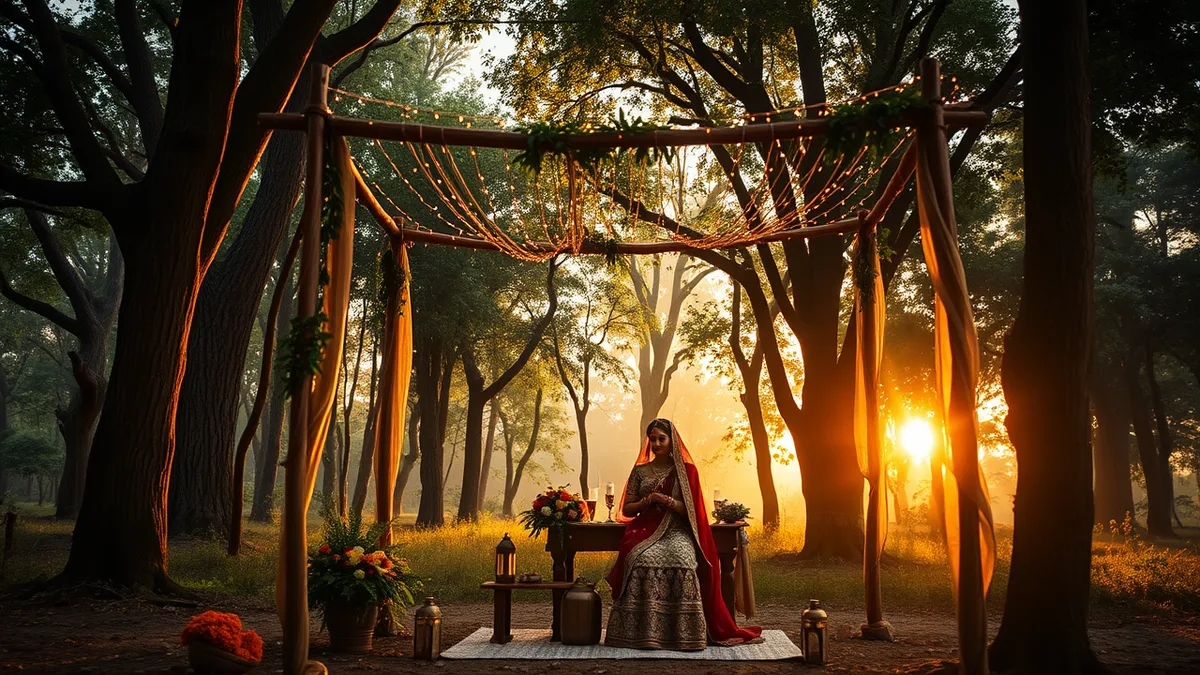
A Jim Corbett wedding offers a forest-grade destination just 250 km and five to six hours from Delhi, the closest such venue to the NCR. Corbett is administered as five tourism zones, and which zone your resort sits in decides almost everything you can do. Most Corbett weddings are planned as intimate or mid-scale celebrations under 250 guests.
A Jim Corbett wedding is a different proposition from any other Uttarakhand destination. You are not buying a palace backdrop or a hill view. You are buying proximity to one of India’s oldest tiger reserves, the sound of a river or a forest at night, and the practical reality of a property that sits inside or just outside a protected buffer. Done right, it is a wedding that feels unlike anything in the standard NCR-resort circuit. Done badly, it is a five-hour drive from Delhi to a noise complaint.
This guide is for couples actively choosing between Corbett resort options, asking about seasons, and trying to understand which zone their property is actually in. We work the Corbett belt as part of our wider destination weddings practice and we plan most of these as intimate weddings or mid-scale celebrations under 250 guests.
Jim Corbett wedding cost (2026)
A Jim Corbett wedding is one of the more affordable luxury destination options near Delhi, because the resort belt outside the national park offers everything from boutique camps to flagship five-star buyouts. As a rule of thumb: a small wedding of 50 to 80 guests runs Rs 15 lakh to Rs 20 lakh, a mid-range 100 to 150 guest celebration lands around Rs 40 lakh to Rs 75 lakh, and a full-resort buyout for 200-plus guests crosses Rs 1 crore. The breakdown below shows where the spend sits.
| Component | Indicative 2026 cost |
|---|---|
| Resort room block / buyout (per room, per night) | Rs 8,000 to Rs 25,000 |
| Catering (vegetarian to multi-cuisine, per plate) | Rs 1,200 to Rs 2,500 |
| Decor and floral (riverside / lawn scale) | Rs 4 lakh to Rs 20 lakh |
| Photography and video | Rs 2 lakh to Rs 8 lakh |
| Transport (Delhi or Ramnagar to Corbett, per vehicle) | Rs 6,000 to Rs 15,000 |
| Safari and nature add-ons | Rs 3,000 to Rs 8,000 per jeep |
| Velvet Knot planning (flat fee) | from Rs 5 lakh |
Jim Corbett wedding cost by format
The figures below are 2026 market rates, all-in, excluding jewellery, attire, and guest travel.
- Intimate, 30 to 50 guests, 2 to 3 days, premium-tented camp or boutique resort: Rs 18 lakh to Rs 35 lakh.
- Mid-range, 100 to 150 guests, 3 days, established Mohaan or Dhikuli resort: Rs 40 lakh to Rs 75 lakh.
- Premium full-resort buyout, 200 to 250 guests, 3 to 4 days, flagship Corbett property: Rs 80 lakh to Rs 1.5 crore.
For the broader framework across destinations, see our wedding planner cost guide and the destination wedding cost guide.
Jim Corbett wedding venues: where weddings actually happen
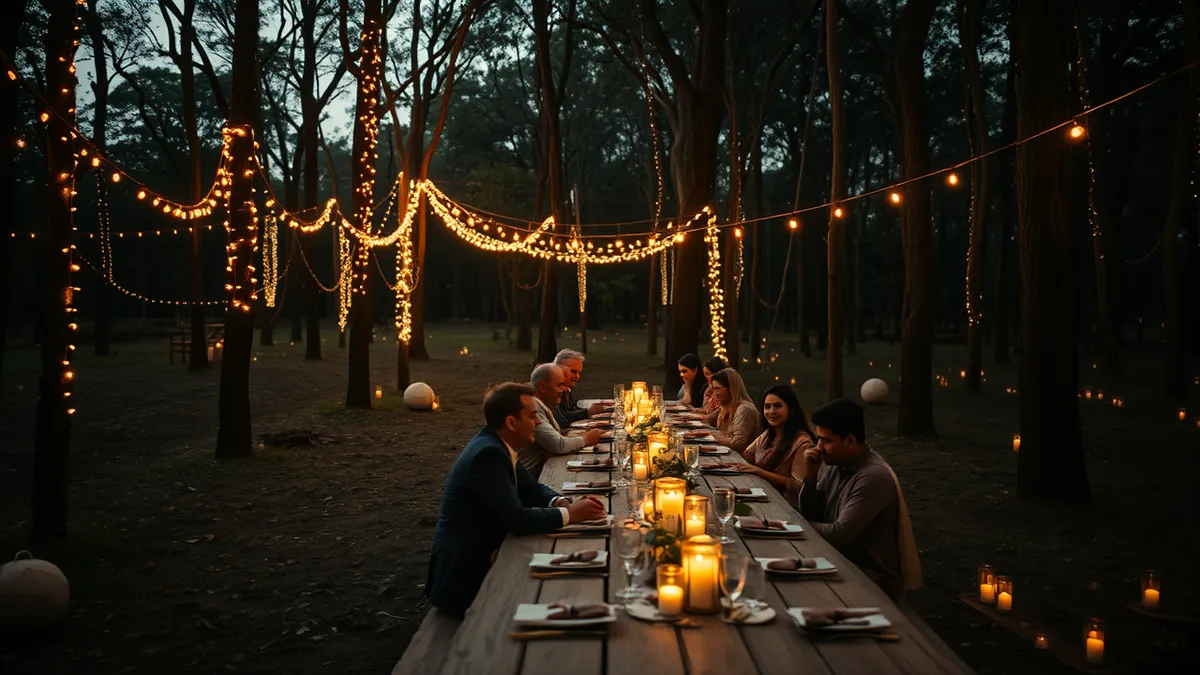
One thing couples are often surprised by: weddings do not happen inside Jim Corbett National Park itself. The core zones are protected, so celebrations take place at resorts in the buffer belt that rings the park. The main wedding-resort clusters are:
- The Dhikuli stretch along the Kosi river near Ramnagar, the densest concentration of large wedding resorts and full-buyout properties.
- The Mohaan belt on the Ramnagar-Ranikhet road, quieter and more forested, suited to mid-scale and intimate weddings.
- Garjia and the riverside properties, popular for open-lawn ceremonies with the river and forest as a backdrop.
- Sitabani forest-edge resorts, the most secluded option for small, design-led weddings.
Properties range from boutique tented camps (30 to 60 guests) through mid-size resorts (100 to 150) to flagship five-stars that take a 200-plus guest full buyout. We audit the shortlisted property in person before contract, because river access, lawn size, generator backup, and the noise rules around the buffer zone vary widely and decide what your event can actually look like.
Why Corbett works as a wedding destination
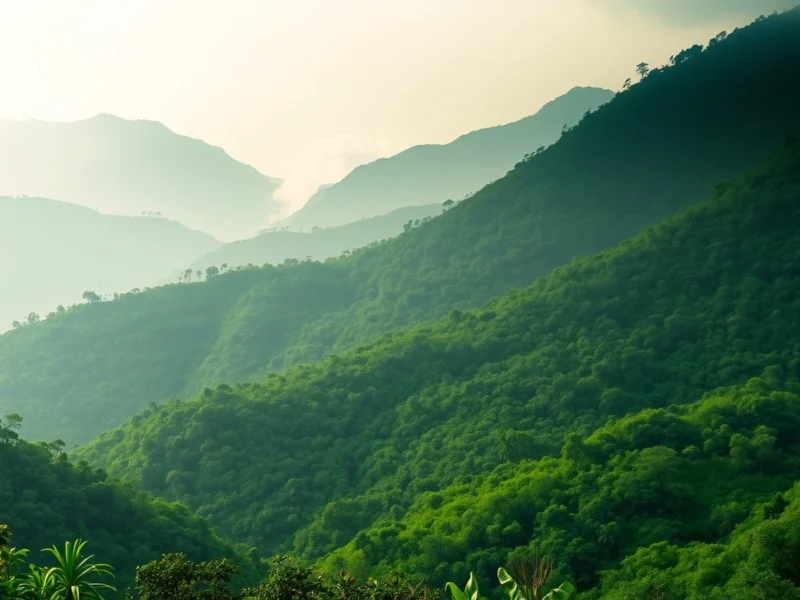
Jim Corbett National Park covers approximately 1,288 square kilometres in Uttarakhand’s Nainital district, with a buffer that extends into the Ramnagar and Kaladhungi belts. From Delhi, the drive is roughly 250 km, five to six hours via the Hapur-Moradabad-Ramnagar route or via the Hill Bypass. From the new Pantnagar airport, it is a 90-minute road transfer. This is the closest forest-grade destination wedding venue to the NCR, which is why the market has matured rapidly over the last decade.
What couples come for: the buffer-edge resorts with river-facing lawns, the option to integrate a safari into the wedding programme, and the visual identity of a forest wedding without the operational nightmare of a remote Himalayan venue. What the SERP does not tell you: not every “Corbett resort” is in the same zone, the rules differ by zone, and the season window is narrower than most package listings suggest.
For couples comparing this with other Uttarakhand options, our Rishikesh and Dehradun pages cover the river-valley and hill-station alternatives.
The five-zone reality
Corbett is administered as five tourism zones, each with different access, ecology, and proximity to resort clusters. Couples often book a resort without understanding which zone they are actually in, which determines almost everything about what you can do.
Bijrani Zone: The most popular safari zone, accessible from Amdanda Gate near Ramnagar. The resort cluster on the Ramnagar-Bijrani road is the densest in the Corbett belt and includes most of the premium properties. Open mid-October to mid-June.
Jhirna Zone: Open year-round (the only zone that operates through monsoon). Accessible from Dhela Gate. Lower density of resorts, more boutique character, and the practical option for any wedding date in July, August, or September.
Dhikala Zone: Inside the core area. Limited overnight stays only at the forest department’s own rest houses. Effectively not a wedding zone, but a high-value safari day-out for guests staying elsewhere. Open November to mid-June.
Durga Devi Zone: Northern entry, lower footfall, surrounded by the Mahawan and Khinanauli forest stretches. Higher-end boutique camps. Open October to mid-June.
Sonanadi Zone: Western buffer, abutting the Sonanadi Wildlife Sanctuary. Quietest zone, fewest wedding-capable properties, longest road transfer from Ramnagar. Open year-round but limited.
For most weddings we plan, the practical choice is between the Bijrani-Mohaan cluster (high resort density, easy logistics, peak-season pricing) and the Dhikuli-Garjia stretch along the Kosi river (river-facing lawns, mid-density, slightly more remote). Boutique-camp weddings happen in Durga Devi and Sonanadi, almost always for parties under 80 guests.
Season: a narrower window than the brochures suggest
This is where most first-time Corbett couples get tripped up. The packages quote year-round dates. The on-ground reality is narrower.
October to March (recommended): The wedding season. Daytime temperatures range from 8 to 28 degrees, evenings are crisp, the forest is at its most active, and safari sightings peak. November and February are the sweet spots: visually beautiful, comfortable enough for outdoor mandap setups, and aligned with the wider Indian wedding calendar.
April to mid-June (workable, but hot): Daytime temperatures climb into the high 30s and touch 40 in May. Outdoor functions are restricted to early morning and post-sunset. Tiger sightings actually peak in this window because of waterhole activity, which appeals to some couples. But mandap fires plus 38-degree afternoon heat is not the equation most families want.
Mid-June to September (not recommended): Monsoon. Bijrani, Dhikala, Durga Devi, and Sonanadi zones close partially or fully (Bijrani and Dhikala are closed from mid-June to mid-November, the others from mid-June to October). Jhirna is the only fully operational zone. Road conditions on the Hill Bypass deteriorate. We discourage weddings in this window unless the brief is specifically a small, indoor, Jhirna-zone celebration.
The single most common mistake we see: couples lock a date in June or September because the rates are low, then discover that the safari they wanted to integrate is not running, the gardens are waterlogged, and half the resort staff are on off-season schedules.
Wildlife sensitivity: the rules that decide your event design
A Corbett wedding is not a regular resort wedding with a forest backdrop. The proximity to the tiger reserve buffer brings a set of operational rules that most premium properties enforce explicitly, and that the local administration enforces through the Forest Department.
The rules in practice:
1. Noise ordinance after 10 pm. The buffer-edge resorts cap amplified sound at the property line. Sangeet, DJ, and live performances either wind down by 10 pm or move to indoor halls with sealed sound. This is the single biggest planning constraint and the most common source of conflict between vendors and the venue’s wildlife liaison. 2. No fireworks, no fire-based effects, no sky lanterns. Forest fire risk is treated seriously. We have not had a single property allow fireworks in the buffer in the last three years. Plan the visual programme around lighting, projection, or fibre-optic effects, not fire. 3. Reduced and warm-spectrum lighting at the buffer edge. Bright cool-white spotlights pointed into the forest disorient nocturnal animals. Premium properties specify warm-spectrum lighting (2,700K to 3,000K) and angle restrictions on any lights at the periphery. 4. No drones inside the buffer. Drone permits over the Corbett buffer and core are not granted to private operators. Wedding photography drones operate only on the resort’s own land, away from the buffer line. 5. Animal-encounter protocol. Resorts brief guests on what to do if a leopard, elephant, or wild boar enters the property at night. This is not theatre. The Kaladhungi belt sees elephant transit regularly between November and February.
A Corbett wedding planner’s job is to design the programme around these constraints from the start, not to fight them on the wedding day.
Resort versus camping ground versus private estate
Three formats work in Corbett, and they sort by guest count and budget more cleanly than by aesthetic.
Premium resorts in the Mohaan-Dhikuli belt (recommended for 100 to 250 guests). This is the workhorse format. Established properties with dedicated wedding lawns, in-house catering teams that handle 200-pax events, secured power and water, room blocks of 60 to 120 keys, and existing relationships with the Forest Department’s local office. These properties already know the noise rules and design around them.
Premium tented camps in the Durga Devi or Sonanadi belt (recommended for 30 to 80 guests). Genuine forest-camp feel, often river-facing, lower room capacity, much higher per-room rate. Suits intimate weddings where the brief is “small group, full experience” rather than “big celebration.”
Private estates and farmhouses on the Ramnagar-Kaladhungi belt (recommended for couples wanting full venue control). Private properties outside the buffer that can be taken on full lease. The advantage is flexibility on programme. The disadvantage is that all infrastructure (catering, decor, accommodation overflow) gets imported, and the wildlife and noise rules still apply on the property’s outer boundary if it sits within 5 km of the buffer.
We do not name specific resorts in this guide because the property landscape changes year on year. Our brief to every Corbett couple starts with a head-to-head of the four to six properties that match their guest count, budget, and date.
Vendor reality
Local Ramnagar vendors handle mid-scale work well: standard mandap decor, basic floristry, casual catering. For anything premium, the supply chain runs through two corridors:
- Delhi for the premium tier. Decorators, florists, lighting designers, and signature catering teams travel from Delhi or Gurgaon for the larger Corbett briefs. Truck-in time is six to seven hours; setup begins two days before the first event. This is where most of the premium spend goes.
- Rishikesh and Dehradun for the mid-tier. Some boutique decor and floristry sources from the Rishikesh-Dehradun belt, particularly for the smaller Durga Devi camp weddings. Shorter transit, lower cost, fewer signature names.
Photography and videography almost always come from Delhi, Mumbai, or Bangalore. Local Corbett photographers handle wildlife brilliantly but the wedding-photography market here is thin. Specialist wildlife-wedding photographers (a small but growing niche) are worth the premium if your brief leans into the forest aesthetic.
Safari integration: getting it right
The single most distinctive thing a Corbett wedding can offer is integrating the park experience into the programme. Done well, it deepens the wedding. Done badly, it is a logistical mess that puts elderly guests in jeeps at 5 am.
What works:
- Sundowner-style sunset safari for close friends and cousins on the afternoon before the wedding, ending with chai at the property’s riverside deck. Usually a Bijrani or Jhirna afternoon slot, 3 pm to 6 pm.
- Morning safari as a post-wedding farewell on the day after the reception, optional for guests who want it. Booked through the property’s safari desk.
- Themed welcome reception with conservation-led storytelling, often featuring a Forest Department naturalist as guest speaker.
What does not work:
- Trying to book a 50-guest safari simultaneously (the zone caps jeep numbers per slot).
- “Baraat-style elephant entry” inside the buffer. This is not permitted in or near the Corbett tiger reserve. Some properties further from the buffer offer ceremonial elephant entry on their own land; verify before promising it to a family.
- Same-day safari and wedding ceremony for the couple themselves. The logistics never work in practice.
Common pitfalls
1. Booking a “Corbett” resort that is actually 35 km from any safari zone. Always confirm which gate the property uses and how long the transfer is. 2. Underestimating the noise rule. The DJ-till-2-am wedding does not happen in the buffer. Plan a late-evening indoor format if your family wants extended music. 3. Monsoon date confusion. “Corbett is open year-round” is true only for the Jhirna zone. Most resorts effectively operate skeleton crews from late June through September. 4. Bringing too large a baraat into the buffer. Procession noise, drum rigs, and shehnai bands are allowed but capped. Brief the baraat team in advance. 5. Skipping the room-block negotiation. Premium properties price wedding buyouts very differently from individual room bookings. The buyout structure should be agreed up front, not assembled room-by-room.
Why a planner, not DIY
A Corbett wedding rewards local fluency: which zone your resort actually uses, which noise rules the Forest Department’s Ramnagar office is enforcing this quarter, which Delhi decor team has the muscle to truck a setup six hours and assemble it inside a buffer-restricted property without violating the lighting rules. A first-time couple cannot hold any of this. The resort will sell you the room block. It will not redesign the programme around the buffer rules, mediate between your Delhi vendor and the property’s wildlife liaison, or salvage the sangeet when the 10 pm cut-off lands mid-performance.
That salvage work is the entire job. Our Corbett briefs typically run 90 to 120 days of planning lead time, the bulk of which is spent locking permissions, zoning the programme, and pre-briefing every vendor on the buffer rules before they sign the contract.
Frequently asked questions
What is the best season for a Corbett wedding? October to March, with November and February as the peak. April to mid-June works for couples comfortable with heat and willing to design around afternoon temperatures. Avoid mid-June to September.
How far is Corbett from Delhi for guest planning? Approximately 250 km, five to six hours by road. From the Pantnagar airport, 90 minutes. The Hapur expressway has made the Delhi drive significantly more predictable in the last three years.
Can we have fireworks at our Corbett wedding? No. Fireworks, fire-based effects, and sky lanterns are not permitted in the buffer or on any property within 5 km of the reserve boundary. We design alternative visual programmes using lighting and projection.
How loud can the music be? Amplified sound is permitted but capped, and most premium properties enforce a 10 pm cut-off for outdoor amplification. Indoor halls with sealed sound can extend later, depending on the property.
Can we book the entire resort? Yes, for properties with 40 to 100 keys this is the standard format for a 150 to 250 guest wedding. Buyouts need to be locked 90 to 120 days in advance for peak-season dates.
Is a safari included in wedding packages? Almost never as a default. We integrate safaris as separate add-ons, booked through the property and the zone’s gate, with capacity confirmed for your guest count.
Do you handle the Forest Department permissions? Yes. Permissions, the wildlife-liaison conversation, the noise-rule pre-brief with every vendor, and the on-day coordination with the resort’s wildlife officer are part of our standard Corbett scope.
Plan your Corbett wedding
Tell us the date, the guest count, and whether the brief is intimate, mid-scale, or full buyout. Get a quote and we will reply with a shortlist of zone-appropriate properties, a draft programme that respects the buffer rules, and a real cost envelope for your numbers, usually within the same working day.
Newly costed venues: Tarangi Resort Jim Corbett wedding cost.
Newly costed destinations: Nainital wedding cost.
Also on Velvet Knot: destination weddings near Delhi, by drive time.
Frequently Asked Questions
Is Jim Corbett good for a destination wedding?
Yes. Corbett offers luxury jungle resorts with lawns and riverside settings within driving distance of Delhi, ideal for intimate to mid-size nature weddings.
What is the best season for a Corbett wedding?
October to March is ideal for outdoor functions. The monsoon and peak summer are less suitable due to heat and rain.
How much does a Jim Corbett wedding cost?
A luxury Corbett resort wedding typically runs a mid-range destination budget, scaling with the resort tier, guest count and decor.
Sources and further reading
Velvet Knot believes in showing our work. The references below are the authoritative sources we consult when planning weddings in this category.
- Jim Corbett National Park (Project Tiger): Government of India
- Uttarakhand Tourism: Government of Uttarakhand
More venue cost guides: Taj Rishikesh wedding cost.
Begin Your Engagement
Want a real number for your wedding?
Tell us your city, guest count and dates. Team Velvet Knot will come back within 24 hours with an itemised budget.