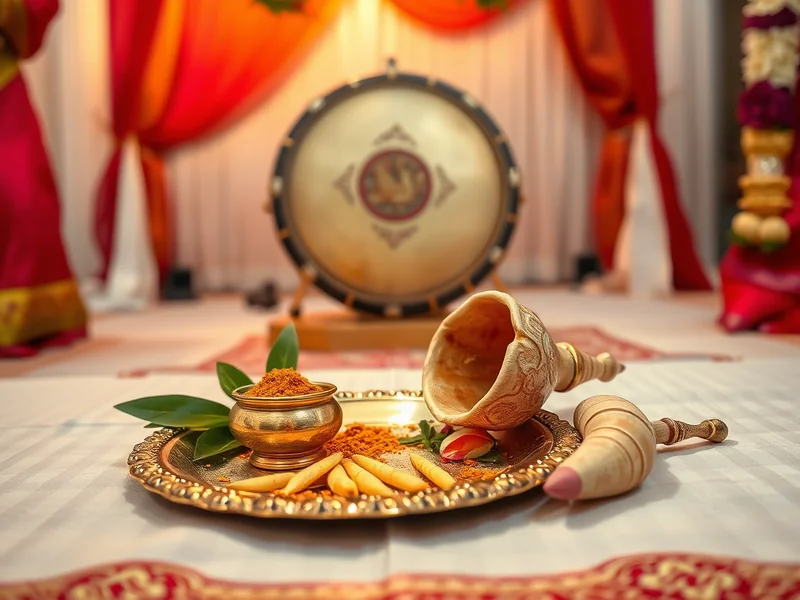
Wedding Traditions · Indian Weddings
Bengali Wedding Planner
Premium planning with cultural depth. We invest time in your specific community customs, not just the aesthetic.
Velvet Knot is a Bengali wedding planner orchestrating the multi-day celebration from Ashirbaad and Gaye Holud through the wedding-day rituals of Saat Paak, Shubho Drishti, and Sindoor Daan. Our Bengali wedding planning teams understand the customs of both Bangal and Ghoti families, including the pre-dawn Dodhi Mangal. Bespoke planning is quoted as a transparent flat fee from ₹5 lakh.
New to the customs? Read our complete guide to Bengali wedding traditions for the full ritual sequence.
A Bengali wedding planner orchestrates the distinctive multi-day celebration from Ashirbaad (blessing ceremony) through Gaye Holud (turmeric ceremony) to the wedding day rituals of Saat Paak, Shubho Drishti, and Sindoor Daan, managing the deeply artistic and culturally rich traditions unique to Bengali matrimony. Velvet Knot plans Bengali weddings across Kolkata, Delhi, Mumbai, Bangalore, and destination venues, with planners who understand the specific customs of both Bangal (East Bengal origin) and Ghoti (West Bengal origin) families.
Plan Your Bengali Wedding in These Cities
Velvet Knot’s bengali wedding wedding specialists work across India’s major wedding markets. Explore our city-specific planning teams:
- Bengali Wedding Planning in Kolkata
- Bengali Wedding Planning in Mumbai
- Bengali Wedding Planning in Delhi
For couples planning a destination wedding or luxury celebration, we coordinate at heritage venues across all our service cities. Request a personalised quote.
What Distinguishes a Bengali Wedding
Bengali weddings are deeply ritualistic, gracefully paced, and unmistakably distinctive, from the Gaye Holud and the bride’s solid red Banarasi to the Shubho Drishti moment when the couple sees each other for the first time. The ceremonies span 2-3 days with specific rituals at the bride’s house (Bou-Bhat preparations) and the groom’s home.
The Ceremonies We Plan
- Aiburo Bhaat, last meal as a single woman at the bride’s home
- Gaye Holud, turmeric ceremony, performed at both homes
- Dodhi Mangal, pre-dawn ritual the morning of the wedding
- Bor Jatra, groom’s procession
- Shubho Drishti, the auspicious first sight
- Sindoor Daan, applying sindoor to the bride’s hairline
- Bidaai & Bou-Bhat, bridal departure and reception at the groom’s home
Cultural Specifics That Matter
Bengali wedding aesthetics are unlike any other Indian tradition, the topor (groom’s headgear), the mukut, the conch shell soundscape, the specific Banarasi colours. Catering is heavily fish-and-rice based with mishti (Bengali sweets) requiring specialist preparation. We work with Bengali pandits and caterers in Kolkata and Bengali diaspora communities in Mumbai and Delhi to ensure ritual and culinary accuracy.
Pricing
Bengali wedding planning packages start at ₹5 lakh. Request a consultation.
Inside Bengali Wedding Planning: Saat Paak, Subho Drishti, and the Specifics
A Bengali wedding has rituals that exist in no other Hindu tradition. The Saat Paak: the bride is carried on a wooden plank (the piri) and circles the groom seven times, lifted by her brothers. The Subho Drishti: the first moment the bride and groom see each other, held under a betel leaf shroud, lifted away in a choreographed reveal. The Mala Badal: the garland exchange that follows. The Sindoor Daan: the application of sindoor in the bride’s hair parting, late in the ceremony, in front of the assembled families. None of these are ornamental. All of them are the wedding.
Gaye Holud is the Bengali turmeric ceremony, but it is not the same as Punjabi Haldi. Two ceremonies actually run, one at the bride’s home, one at the groom’s, each side applying paste sent from the other side, with families and gifts crossing back and forth in a tatto’r tola exchange. The Aiburo Bhaat is the bride’s last meal as an unmarried daughter, served with specific dishes (luchi, cholar daal, posto). The Bashar Ghar is the bride’s first night ceremony at the groom’s home, the Boubhat the formal first-meal reception that follows.
For Bengali wedding planning we coordinate the purohit, the specific decor (shola crown for the bride, the topor for the groom, the chandan markings, the red and white palki if used for entry), the Bengali catering (and Bengali catering is its own discipline, fish-heavy, specific sequencing, brass tableware preferences), and the multi-day flow that has a Bengali wedding running over three to five distinct events rather than one. We staff Bengali weddings in Kolkata and across India with planners who know the difference between an Ulu Dhwani moment and a Shankha Dhwani moment.
Frequently Asked Questions
What is the difference between Bengali Haldi (Gaye Holud) and Punjabi Haldi?
Gaye Holud runs as two separate ceremonies, one at the bride’s home and one at the groom’s, with turmeric paste sent from one side to the other. Punjabi Haldi is typically a single combined event. The Bengali version is also more structured around specific family-member roles (who applies first, in what order) and is followed by the Aiburo Bhaat meal.
Do you arrange the Bengali catering, or do we?
We arrange both. Bengali wedding catering is its own discipline, with specific sequencing (luchi-cholar daal-aloor dom early, fish courses building to chingri or ilish, mishti doi to close), brass or copper plate preferences, and dishes that have to be made by Bengali kitchens to taste right. We have vetted Bengali caterers in Kolkata, Delhi, Mumbai, and Bangalore, and we ship Bengali kitchen teams to destination Bengali weddings.
What does the Subho Drishti moment actually involve?
The bride is carried in (often on her brothers’ shoulders or on a piri), her face covered with two betel leaves she holds. The groom waits at the mandap. The leaves are lifted away, and the first sight (Subho Drishti) is the photograph the entire wedding is built around. The Saat Paak (seven circles) happens immediately after.
Can you plan a Bengali wedding outside Kolkata?
Yes. We have planned Bengali weddings in Delhi, Mumbai, Bangalore, Goa, Udaipur, and overseas. The constraints are sourcing a Bengali purohit, a Bengali catering team, the specific decor elements (shola crown, topor, palki where used), and a planner who knows the ritual sequence. We handle all four layers for destination Bengali weddings.
How long does a typical Bengali wedding run?
Three to five distinct functions over two to four days. A minimum-format Bengali wedding has Gaye Holud, the wedding (Biye) itself, and Boubhat. A full-scale wedding adds Aiburo Bhaat, Bashar Ghar, and a separate reception. We brief families during planning on what each event means and which ones their elders consider non-negotiable.
Where Bengali wedding planning happens across Velvet Knot
Bengali weddings concentrate in Kolkata, Siliguri, and Guwahati, with destination Bengali weddings across India and overseas. For ritual sequence read our Bengali wedding traditions guide, which covers the Gaye Holud, Saat Paak, and Subho Drishti in detail.
Our Approach
How we plan your Bengali Wedding
Every ceremony is unique. Here is how we ensure ritual accuracy, cultural depth, and operational excellence.
Cultural Consultation
We sit with your family to understand specific customs, rituals, and regional variations important to you.
Ceremony Flow Design
We map out every ceremony, from pre-wedding rituals to the final reception, ensuring nothing is missed.
Venue & Vendor Matching
We source venues and vendors experienced in your specific wedding traditions and ceremony requirements.
Decor & Ambiance
Custom decor that reflects the cultural significance and aesthetic traditions of your ceremony style.
Ritual Coordination
Our team coordinates with priests, musicians, and specialists to ensure every ritual is performed correctly.
Day-of Management
Seamless execution of every event so your family can be fully present in every meaningful moment.
Curated Venues
Popular Venues
The Oberoi Grand
Kolkata, West Bengal
Heritage HotelITC Royal Bengal
Kolkata, West Bengal
Luxury HotelTaj Bengal
Kolkata, West Bengal
5-Star HotelRajbari Bawali
Bawali, West Bengal
Heritage MansionThe Vedic Village
Rajarhat, Kolkata
Resort & SpaSwabhumi Heritage Plaza
Kolkata, West Bengal
Heritage Banquet ComplexPan-India Reach
Plan your Bengali Wedding anywhere in India
We coordinate bengali weddings across India's most beautiful destinations.
Common Questions
Frequently Asked Questions
What are the main ceremonies in a Bengali wedding?
How many days does a Bengali wedding last?
What makes Bengali wedding planning operationally distinct?
What food and attire define a Bengali wedding?
What guest counts are typical for a Bengali wedding?
What does a Bengali wedding planner cost with Velvet Knot?
How does Velvet Knot plan a Bengali wedding?
Which cities is Bengali wedding planning most in demand?
Begin Your Engagement
Plan your Bengali Wedding Planner
Share a few details and we will respond within 24 hours with a scheduling link for a 30-minute consultation.